Table of Contents
ToggleNot every room in your home gets drenched in sunlight, but that doesn’t mean those dim corners can’t host greenery. Low light indoor hanging plants bring life to bathrooms, north-facing hallways, and rooms with small windows, places where most plants would throw in the towel. These trailing beauties don’t just survive in low light: many actually prefer it, making them ideal for renters, busy homeowners, and anyone who’s killed a succulent or two. If you’ve got vertical space and minimal natural light, hanging plants offer a practical, space-efficient way to add texture and oxygen without rearranging your floor plan.
Key Takeaways
- Low light indoor hanging plants thrive in spaces receiving 50-250 foot-candles of indirect light, making them ideal for bathrooms, north-facing hallways, and dimly lit corners without sacrificing greenery.
- Pothos and spider plants are beginner-friendly low light hanging plants that tolerate neglect, require minimal maintenance, and can improve indoor air quality while growing 6-10 feet indoors.
- Overwatering is the most common mistake with low light hanging plants; allow the top 2 inches of soil to dry before watering, and ensure pots have drainage holes to prevent root rot.
- Advanced varieties like philodendron, string of hearts, and Boston fern offer visual impact but require more attention, including consistent moisture, pruning, and humidity management.
- Proper installation with ceiling joists, toggle bolts rated for 15+ pounds, and safe practices like wearing safety glasses prevents damage and ensures long-term success with hanging displays.
- Rotating low light hanging plants 90 degrees weekly, supplementing with LED grow lights (12-14 hours daily), and pairing plants with appropriate containers enhances growth and complements your home décor.
Why Low Light Hanging Plants Are Perfect for Your Home
Hanging plants capitalize on vertical space, crucial in small apartments or rooms where floor space is at a premium. They also keep foliage away from pets and toddlers who might mistake a philodendron for a snack. Low light varieties thrive in areas that receive indirect or filtered light, typically measuring between 50 and 250 foot-candles. That’s roughly the light level in a room with north-facing windows or a space several feet from an east or west window.
Most low light hanging plants are native to tropical forest floors, where they’ve adapted to grow beneath dense canopies. This evolutionary trait makes them resilient indoors, tolerating the inconsistent light and lower humidity typical of homes. Species like pothos and philodendrons are particularly forgiving of neglect, missing a watering by a few days won’t send them into decline. They’re also effective at filtering indoor air pollutants, a benefit confirmed by research on common houseplants.
From a design standpoint, trailing vines soften hard architectural lines and add movement to static spaces. They work especially well in bathrooms with exhaust fans (the humidity helps) and kitchens where wall-mounted hooks keep them clear of prep areas. Just keep them away from heating vents and drafty windows, temperature swings stress even hardy plants.
Best Low Light Indoor Hanging Plants for Beginners
Pothos: The Indestructible Trailing Favorite
Pothos (Epipremnum aureum) tops the list for first-time plant owners. Its vining stems can grow 6 to 10 feet indoors, and heart-shaped leaves come in variegated patterns ranging from golden yellow to neon green. Pothos tolerates extreme neglect, it can go 10 to 14 days between waterings depending on humidity and pot size.
Place pothos in a hanging basket or on a high shelf where trailing vines won’t get stepped on. It propagates easily in water: snip a 4- to 6-inch cutting below a node, place it in a jar, and roots appear in 7 to 10 days. Pothos is toxic to cats and dogs if ingested, so hang it high if you’ve got curious pets. It thrives in temperatures between 60°F and 85°F and doesn’t require fertilization more than once every 2 to 3 months during the growing season.
For soil, use a well-draining potting mix, standard indoor blends work fine. Overwatering is the most common killer: let the top 2 inches of soil dry out before watering again. Yellow leaves usually signal too much water, while brown, crispy tips indicate underwatering or low humidity. If you’re looking for more plants that thrive without sunlight, pothos is a gateway species that builds confidence.
Spider Plant: Air-Purifying and Easy to Grow
Spider plants (Chlorophytum comosum) are another beginner-friendly option, known for their arching, grass-like foliage and dangling plantlets (or “spiderettes”) that develop on long stems. These plantlets can be snipped and potted to propagate new plants, effectively giving you free greenery.
Spider plants prefer bright, indirect light but adapt well to low light conditions, though growth may slow. They’re particularly effective at removing formaldehyde and xylene from indoor air, making them a practical choice for newly renovated spaces or homes with off-gassing furniture. Water when the top inch of soil feels dry, roughly once a week in moderate humidity. They’re sensitive to fluoride in tap water, which causes brown leaf tips: if your municipal water is fluoride-heavy, use filtered or distilled water.
These plants tolerate a range of temperatures but do best between 55°F and 80°F. They’re non-toxic to pets, which is a major advantage if you can’t hang them out of reach. Use a 10- to 12-inch diameter hanging basket to give roots room to spread, and refresh the soil every 12 to 18 months to prevent salt buildup from fertilizer.
Stunning Low Light Hanging Plants for Advanced Plant Parents
Once you’ve mastered pothos and spider plants, step up to varieties that require more attention but deliver visual impact.
Philodendron hederaceum (Heartleaf Philodendron) looks similar to pothos but has thinner, more delicate leaves and faster growth. It’s equally low-maintenance but benefits from occasional pruning to encourage bushier growth. Snip stems back to a node every few months to prevent legginess.
String of Hearts (Ceropegia woodii) offers a different aesthetic, trailing strands of tiny, heart-shaped leaves on thin, wiry stems. It’s a succulent vine, so it needs less frequent watering (every 2 to 3 weeks) and prefers slightly drier conditions. It can tolerate low light but won’t produce its signature purple undersides without at least moderate indirect light. Use a terracotta pot for better drainage.
Boston Fern (Nephrolepis exaltata) is the high-maintenance option. It demands consistent moisture and high humidity (above 50%), making it ideal for bathrooms with showers. Mist it daily or place the pot on a pebble tray filled with water. Boston ferns drop leaves when conditions aren’t right, so they’re not for the forgetful. But, their lush, feathery fronds create a dramatic focal point.
Tradescantia zebrina (Wandering Jew) features purple and silver striped leaves and grows aggressively. Pinch back stems every 4 to 6 weeks to maintain fullness. It tolerates low light but colors fade without adequate brightness. Tradescantia roots easily in water and makes excellent filler in mixed hanging baskets.
For those interested in identifying common houseplants, learning to distinguish philodendron from pothos by leaf texture and growth habit is a useful skill. Advanced varieties also benefit from occasional feeding with a balanced 10-10-10 liquid fertilizer diluted to half strength every 4 to 6 weeks during spring and summer.
How to Care for Low Light Hanging Plants
Watering is the trickiest part. Hanging plants dry out faster than floor pots because warm air rises, increasing evaporation. Check soil moisture by sticking your finger 2 inches deep, if it’s dry, water until it drains from the bottom. Use a step stool or watering wand to avoid spills: a 24- to 36-inch wand with a shut-off valve gives better control.
Drainage is non-negotiable. Hanging pots need drainage holes and a saucer or catch tray to prevent water damage to floors and furniture. If you’re using decorative cache pots without drainage, remove the plant, water it in the sink, let it drain completely, then return it to the cache pot.
Light requirements vary, but “low light” doesn’t mean “no light.” Most low light plants need at least 50 to 200 foot-candles, which you can measure with a light meter app on your smartphone. If leaves start yellowing or growth stalls, the plant may need repositioning closer to a window or supplemental lighting. A simple LED grow bulb in a desk lamp can extend growth in windowless rooms: run it 12 to 14 hours per day on a timer.
Pruning keeps plants compact and encourages branching. Use clean, sharp scissors or pruning shears sterilized with rubbing alcohol. Cut just above a node (the bump where leaves emerge) to stimulate new growth. Compost or propagate the cuttings, don’t toss them.
Humidity helps, but it’s not critical for most beginner varieties. If you notice brown leaf edges, boost humidity by grouping plants together, using a humidifier, or misting lightly every few days. Avoid misting late in the day: wet foliage overnight invites fungal issues.
Rotate hanging plants 90 degrees every week to ensure even light exposure and prevent lopsided growth. If you’re troubleshooting struggling plants, rescuing neglected houseplants often starts with adjusting watering frequency and improving drainage.
Creative Ways to Display Hanging Plants in Low Light Rooms
Macramé hangers are the classic choice and come in styles ranging from boho to minimalist. Pair them with ceramic or lightweight resin pots, avoid heavy terracotta, which can stress ceiling hooks. Use ceiling joists or toggle bolts rated for at least 15 pounds to support the combined weight of pot, soil, and water. A stud finder prevents installation mistakes.
Floating shelves with trailing plants create a cascading effect without drilling into ceilings. Install 12-inch-deep shelves in kitchens or bathrooms and let vines spill over the edge. This setup also makes watering easier, no step stool required.
Tension rods work in recessed windows or between walls. Hang S-hooks from the rod and attach lightweight pots. This method is renter-friendly and doesn’t require hardware installation. It’s especially effective in narrow hallways where floor space is tight.
Wall-mounted planters offer a hybrid approach. Install brackets at varying heights to create visual interest, mixing hanging and upright plants. Use a level during installation to avoid crooked arrangements, it’s easier to do it right the first time than to patch drywall later.
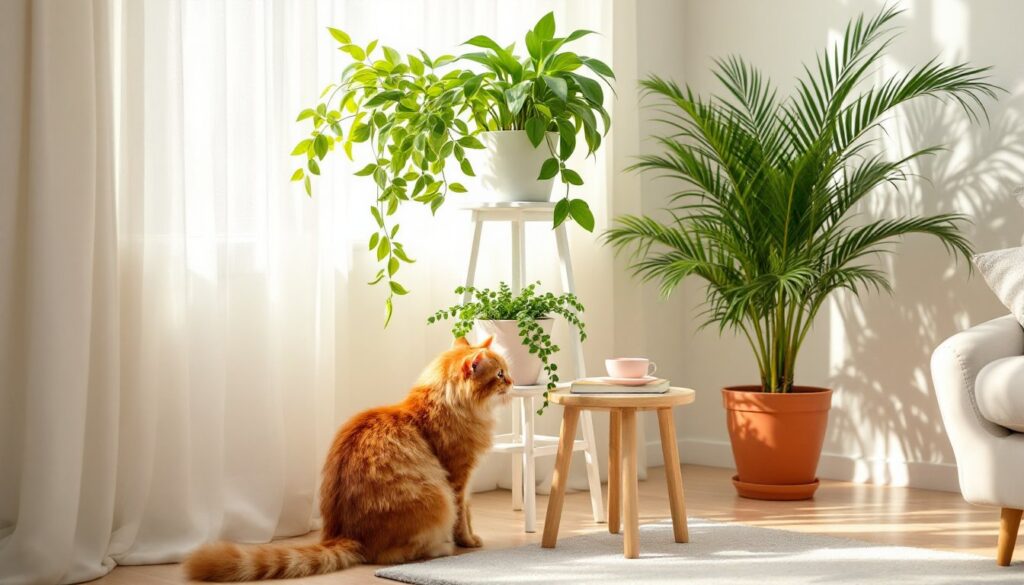
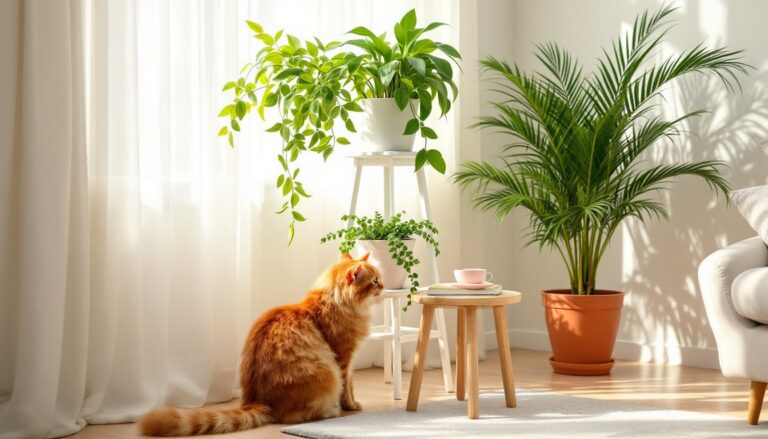
Corner displays maximize unused space. A tall plant stand with hooks on top supports hanging plants while shorter pots sit below, creating a layered look. This works well in dimly lit corners that need softening. For more ideas on transforming spaces with houseplants, layering different plant heights adds depth without clutter.
Consider supplemental lighting for particularly dark rooms. Stylish grow lights designed for home decor now come in pendant and track styles that double as ambient lighting. Position them 12 to 18 inches above foliage for optimal effect.
Safety note: Always wear safety glasses when drilling overhead, and use a step ladder with non-slip feet, not a chair or stool. If installing in drywall without access to a stud, use toggle bolts or anchor screws rated for at least twice the expected weight. When in doubt, consult a handyman or contractor, especially in older homes where ceiling materials may vary.
For inspiration on pairing plants with home design trends, consider how trailing greenery complements different aesthetics, modern spaces pair well with pothos in matte black pots, while cottage-style rooms suit Boston ferns in wicker baskets. The key is matching plant form and container style to your existing decor without forcing it.