
Table of Contents
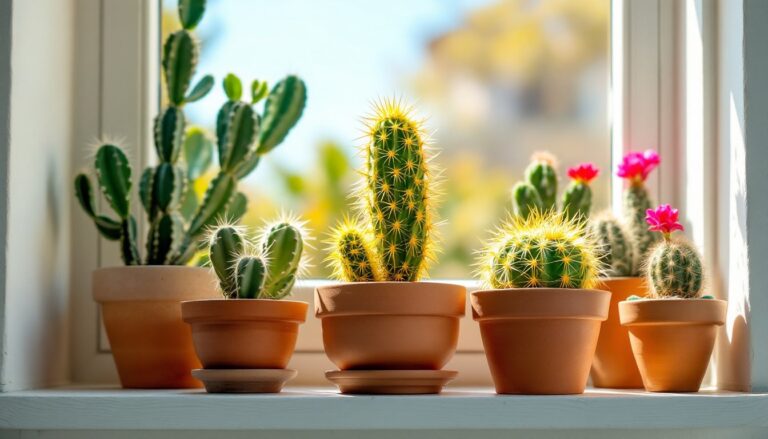
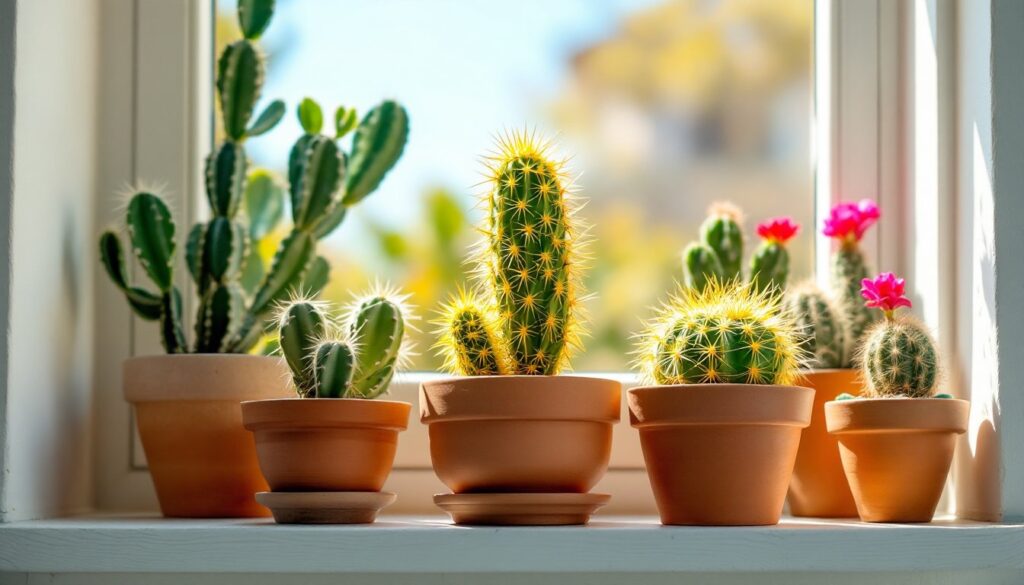
ToggleCacti aren’t just for southwestern landscapes anymore. These spiny survivors have moved indoors, proving they’re as versatile in a living room as they are in the desert. From compact desk buddies to statement-making floor specimens, the variety of indoor cactus species offers something for every space and skill level. Whether you’re working with a south-facing window or a dimmer corner, there’s a cactus that’ll thrive. This guide breaks down the most popular and practical indoor varieties, from beginner-friendly desert types to tropical oddities that defy the typical cactus stereotype.
Key Takeaways
- Different types of cactus house plants require minimal watering and maintenance, making them ideal for busy households and forgetful plant owners.
- Desert cacti need at least 6 hours of direct sunlight and should be watered only when soil is completely dry, while tropical forest cacti prefer bright indirect light and more frequent watering.
- Popular beginner-friendly cactus varieties include Golden Barrel, Bunny Ears, Old Man, and Saguaro cacti, each with unique visual appeal and straightforward care requirements.
- Flowering cacti like Pincushion, Rebutia, and Night-Blooming Cereus produce disproportionately large, vibrant blooms when given a cool winter dormancy period and proper light exposure.
- Miniature cacti species and slow-growing varieties work perfectly for small spaces, apartments, and desk collections, thriving in 2- to 4-inch pots with well-draining soil.
- The most common mistake in cactus care is overwatering, which causes root rot; prevent this by using the soak-and-dry method and checking soil moisture 2 inches down before watering.
Why Cacti Make Perfect House Plants
Cacti have earned their spot on windowsills worldwide, and it’s not just because they’re low-maintenance. These plants are built for neglect in the best possible way. Their thick, fleshy stems store water for weeks, making them ideal for forgetful waterers or frequent travelers.
Drought tolerance is the headline feature. Most desert cacti can go 3-4 weeks between waterings during growing season, and even longer in winter dormancy. This makes them a practical choice for busy households where daily plant care isn’t realistic.
Another selling point: minimal pest issues. The waxy coating and tough skin that help cacti retain moisture also deter most common houseplant pests like aphids and spider mites. When problems do crop up, they’re usually mealybugs, which are easy to spot and treat with isopropyl alcohol on a cotton swab.
Cacti are succulents, meaning they’ve adapted to arid environments by developing specialized water-storage tissues. This adaptation translates perfectly to indoor conditions, especially in modern homes with forced-air heating that can dry out more delicate tropicals.
Popular Desert Cacti for Beginners
Desert cacti are the workhorses of indoor collections. They’re forgiving, readily available, and visually striking without demanding constant attention.
Golden Barrel Cactus (Echinocactus grusonii) is the quintessential round cactus. It grows slowly, topping out around 24 inches indoors after many years. The dense yellow spines catch light beautifully on a sunny sill. Needs full sun, at least 6 hours of direct light daily, and well-draining cactus mix.
Bunny Ears Cactus (Opuntia microdasys) brings personality with its paddle-shaped segments dotted with tufts of glochids (tiny, barbed bristles). Handle with care or use folded newspaper: those glochids are irritating to skin. Thrives in bright light and tolerates some shade better than most desert types.
Old Man Cactus (Cephalocereus senilis) is covered in long, white, hair-like spines that give it a shaggy appearance. It’s a slow grower that eventually reaches 3-4 feet indoors. Prefers temperatures above 50°F and needs excellent drainage, consider adding extra perlite or coarse sand to standard cactus mix.
Saguaro Cactus (Carnegiea gigantea), the iconic tall cactus of the Sonoran Desert, is available as young specimens. Indoors, it grows incredibly slowly, maybe an inch per year, but makes a conversation piece. Requires intense light and minimal water: overwatering is the quickest way to kill it.
All desert cacti share similar care: use unglazed terracotta pots for breathability, water only when soil is completely dry 2 inches down, and provide as much direct sun as possible. Southern or western exposures work best.
Unique Tropical and Forest Cacti Varieties
Not all cacti come from deserts. Tropical and forest cacti hail from rainforest understories and have different care requirements than their arid cousins.
Christmas Cactus (Schlumbergera bridgesii) is the most common forest cactus indoors. Its segmented, flat stems arch gracefully and produce tubular flowers in red, pink, white, or orange during winter months. Unlike desert cacti, it prefers indirect bright light and more frequent watering, let the top inch of soil dry between waterings, not the entire pot.
Easter Cactus (Rhipsalidopsis gaertneri) blooms in spring with star-shaped flowers. It’s often confused with Christmas cactus but has more rounded stem segments. Needs similar care: moderate humidity (40-50%), regular watering during active growth, and a cooler rest period (50-55°F) after blooming to set buds for next season.
Thanksgiving Cactus (Schlumbergera truncata) rounds out the holiday trio. It has pointed stem segments and blooms in late fall. All three holiday cacti benefit from being slightly root-bound and appreciate monthly feeding with diluted liquid fertilizer during spring and summer.
Fishbone Cactus (Epiphyllum anguliger) is a showstopper with zigzag, deeply lobed stems that resemble a fish skeleton. It’s an epiphyte in nature, growing on trees, so it needs well-draining potting mix with added orchid bark or peat. Water when the top 2 inches of soil are dry, and provide bright, filtered light, think sheer curtain over a south window.
These tropical types pair well with common indoor house plants that prefer similar humidity and indirect light conditions.
Flowering Cacti That Brighten Indoor Spaces
Cactus flowers are worth the wait. They’re often disproportionately large and vibrant compared to the plant itself.
Pincushion Cactus (Mammillaria) is a genus with dozens of species, many compact enough for a 4-inch pot. They produce rings of small flowers, usually pink, red, or yellow, around the crown in spring. Mammillaria elongata (Ladyfinger Cactus) is especially easy and blooms reliably with proper winter rest at 50-55°F.
Rebutia species are small, clustering cacti that bloom prolifically. A single 3-inch plant can produce a dozen trumpet-shaped flowers in bright orange, red, or yellow. They need a cold, dry winter dormancy (around 45-50°F) to trigger flowering, so a cool garage or unheated room works well from November through February.
Moon Cactus (Gymnocalycium mihanovichii) is that neon pink, red, or yellow ball you see grafted onto green cactus stock. The colorful top lacks chlorophyll and can’t survive on its own. While the rootstock may flower, the grafted portion won’t. It’s more novelty than serious collector’s plant, but kids love them.
Night-Blooming Cereus (Selenicereus grandiflorus) is a trailing, vinelike cactus that produces huge, fragrant white flowers that open after dark and close by morning. It needs space, stems can reach 6-8 feet, and consistent warmth. Blooms appear sporadically on mature plants, often only a few nights per year, making each event memorable.
To encourage flowering in most species: provide a cool, dry rest period in winter, increase light exposure in spring, and resume regular watering and feeding as temperatures warm. Consider placing flowering varieties near grow lights if natural light is limited.
Miniature and Slow-Growing Cacti for Small Spaces
Limited square footage doesn’t mean skipping cacti. Dozens of species stay compact for years, perfect for apartment dwellers or collectors with crowded shelves.
Lithops (Living Stones) aren’t true cacti, they’re succulents, but they’re often grouped with mini cacti in care requirements. They resemble pebbles and grow flush with the soil. Extremely drought-tolerant: water only during active growth in late summer and fall, then leave completely dry the rest of the year.
Blossfeldia liliputana holds the record as one of the smallest cacti, maxing out around 0.5 inches in diameter. It’s slow-growing and delicate, best suited for experienced growers who can manage precise watering.
Star Cactus (Astrophytum astrias) stays under 4 inches wide and has no spines, just small white dots arranged in neat rows. It’s safe to handle and adds geometric interest to dish gardens. Needs bright light and infrequent watering, every 3-4 weeks in summer, monthly or less in winter.
Thimble Cactus (Mammillaria gracilis fragilis) forms clusters of small, cylindrical stems covered in soft white spines. Individual stems break off easily (hence “fragilis”), which can be annoying during repotting but makes propagation effortless. Stick a broken stem in dry cactus mix, and it’ll root within weeks.
Mini cacti do well in 2- to 4-inch pots with drainage holes. Use shallow containers rather than deep ones: their root systems are modest, and excess soil retains moisture that can lead to rot. Group several varieties in a low, wide dish for a desktop desert landscape.
Caring for Your Indoor Cactus Collection
Cactus care is straightforward once you understand a few non-negotiables: light, water, soil, and temperature.
Light Requirements
Most desert cacti need full sun, at least 6 hours of direct light. South-facing windows are ideal. If stems start etiolating (stretching and thinning), they’re not getting enough light. Rotate pots a quarter-turn weekly to promote even growth.
Forest cacti tolerate bright, indirect light. East or west windows work well. Too much direct sun bleaches their stems.
Watering Protocol
Use the soak-and-dry method: Water thoroughly until it drains from the bottom, then don’t water again until the soil is completely dry. For most desert cacti in 6-inch pots, this means every 2-3 weeks in summer, monthly or less in winter.
Forest cacti need more frequent watering, when the top inch is dry, but never let them sit in standing water.
Water quality matters. Tap water high in minerals can cause salt buildup, visible as white crust on soil or pots. Use filtered or rainwater if your tap is particularly hard.
Soil and Potting
Commercial cactus and succulent mix is formulated for fast drainage, typically containing sand, perlite, and peat or coir. You can make your own: 2 parts potting soil, 1 part coarse sand, 1 part perlite.
Repot every 2-3 years or when roots fill the pot. Handle spiny varieties with folded newspaper, leather gloves, or foam pot sleeves.
Temperature and Humidity
Most cacti tolerate household temps (65-80°F) during the growing season. Winter dormancy at 50-55°F encourages flowering and prevents leggy growth. Avoid placing cacti near heating vents or drafty windows.
Humidity isn’t critical for desert types, but forest cacti appreciate 40-50%. A pebble tray with water (pot sitting on pebbles, not in water) adds localized humidity.
Fertilizing
Feed sparingly. Use a diluted liquid fertilizer (half-strength, low-nitrogen formula like 5-10-10) monthly during spring and summer. Don’t fertilize during dormancy: it pushes weak growth.
Pest and Disease Prevention
Mealybugs are the main pest. They appear as white, cottony clusters in stem joints. Dab with 70% isopropyl alcohol or spray with insecticidal soap.
Root rot from overwatering is the leading cause of death. If a cactus feels mushy at the base, it’s likely rotted. You can sometimes save it by cutting away diseased tissue and letting the healthy portion callus for a week before replanting in fresh, dry soil.
Resources like Gardenista and The Spruce offer additional troubleshooting for specific issues.
Safety Note
Always wear thick gloves when handling spiny cacti. Glochids (fine, barbed hairs on some species like Opuntia) are particularly irritating. Use duct tape to remove them from skin.
Some cacti are toxic if ingested. Check what house plants are toxic to dogs if you have pets that like to nibble greenery.
Conclusion
Building an indoor cactus collection doesn’t require a green thumb, just patience and attention to their simple needs. Start with a forgiving desert variety, experiment with a flowering species, and maybe add a tropical oddball to mix things up. With proper light, careful watering, and a winter rest, these plants will outlast most other houseplants and reward minimal effort with years of structural beauty. Whether you’re filling a sunny sill or adding texture to a shelf, there’s a cactus variety ready to thrive.