
Table of Contents
ToggleBringing greenery indoors transforms a house into a home, but cat owners face a unique challenge: many popular houseplants are toxic to felines. A curious nibble on the wrong leaf can lead to an emergency vet visit, turning a decorating choice into a health crisis. The good news? Plenty of beautiful, easy-to-grow plants are completely safe for cats, no sacrifices needed.
This guide walks through why plant toxicity matters, which species are genuinely safe, what to avoid, and how to create a thriving indoor garden that won’t put pets at risk. Whether someone’s looking for low-maintenance foliage or bold statement plants, there’s a cat-friendly option that fits.
Key Takeaways
- Indoor plants that are safe for cats come in a variety of textures and styles, from low-maintenance spider plants to dramatic Areca palms, allowing cat owners to enjoy lush greenery without compromising on design.
- Many popular houseplants like pothos, lilies, and snake plants contain toxins that can cause serious health crises in cats, ranging from oral irritation to organ failure, making prevention through careful plant selection essential.
- Spider plants, Boston ferns, parlor palms, and peperomias are excellent cat-safe alternatives for busy pet owners, requiring minimal maintenance while thriving indoors.
- Toxic plant ingestion can cost $500 to $2,000 in emergency veterinary care, making the ASPCA’s toxic plant database a critical resource to consult before purchasing any new houseplant.
- Creating a cat-safe indoor garden requires practical strategies like using heavy, anchored pots, covering soil with rocks to prevent digging, and providing cat grass as a safe alternative to satisfy natural chewing instincts.
Why Choosing Cat-Safe Plants Matters for Your Home
Cats are natural explorers with a habit of chewing on anything green. Unlike dogs, felines are obligate carnivores, which means their digestive systems aren’t designed to process plant matter efficiently. Many houseplants contain compounds like saponins, calcium oxalates, or cardiac glycosides that cause reactions ranging from mild irritation to organ failure.
Common symptoms of plant poisoning include drooling, vomiting, diarrhea, lethargy, and in severe cases, tremors or difficulty breathing. Emergency vet visits for plant ingestion aren’t cheap, treatment can run $500 to $2,000 depending on the toxin and severity. Prevention is straightforward: choose non-toxic species from the start.
The ASPCA maintains a comprehensive database of toxic and non-toxic plants, which should be the first stop before buying any new greenery. Even “safe” plants can cause minor stomach upset if a cat eats too much, so monitoring behavior around new additions is still important. But selecting verified non-toxic species eliminates the serious risks and lets homeowners decorate with confidence.
Best Cat-Friendly Indoor Plants for Every Room
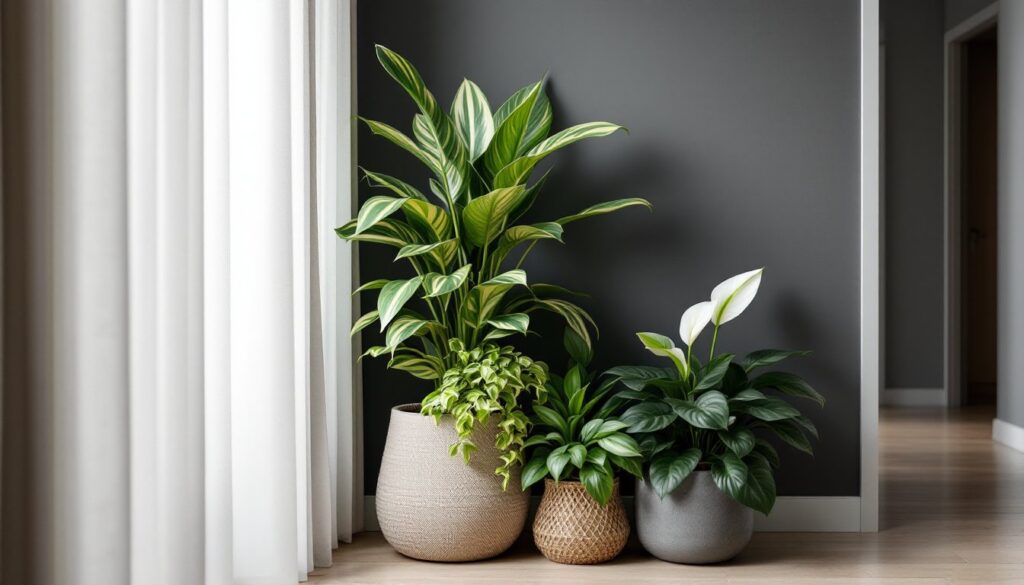
Choosing plants that won’t harm cats doesn’t mean settling for boring options. A wide variety of textures, colors, and growth habits fit into pet-safe categories, from compact desk plants to floor-standing specimens that anchor a room.
Low-Maintenance Options for Busy Pet Owners
Spider Plant (Chlorophytum comosum) tops the list for beginners. It tolerates neglect, thrives in indirect light, and produces cascading offshoots (called “spiderettes”) that add visual interest. Water when the top inch of soil dries out, roughly once a week in most homes. Cats often bat at the long, arching leaves, but the plant is completely non-toxic.
Boston Fern (Nephrolepis exaltata) brings lush, feathery texture and doubles as a natural humidifier, releasing moisture into dry indoor air. It prefers bright, indirect light and consistently moist soil (not soggy). Mist the fronds weekly or place the pot on a pebble tray to maintain humidity. Low-light spaces benefit from grow lights for supplemental support.
Parlor Palm (Chamaedorea elegans) delivers tropical flair without the toxicity risk. It grows slowly to about 3–4 feet indoors, tolerates low light, and only needs watering when the top 1–2 inches of soil are dry. It’s also one of the few palms safe for cats, most other palm varieties (like Sago Palm) are highly toxic.
Peperomia varieties (Peperomia obtusifolia, Peperomia caperata) offer thick, waxy leaves in shades of green, red, and variegated cream. They’re compact (6–12 inches tall), thrive in moderate to bright indirect light, and prefer to dry out between waterings. Overwatering is the main killer, these plants store water in their leaves and don’t need frequent drinks.
Prayer Plant (Maranta leuconeura) features striking patterns and leaves that fold up at night, mimicking hands in prayer. It prefers medium to low light and high humidity, making it ideal for bathrooms. Keep soil lightly moist and avoid direct sun, which scorches the leaves. For anyone building a collection of indoor greenery, prayer plants add movement and color.
Statement Plants That Are Safe Around Cats
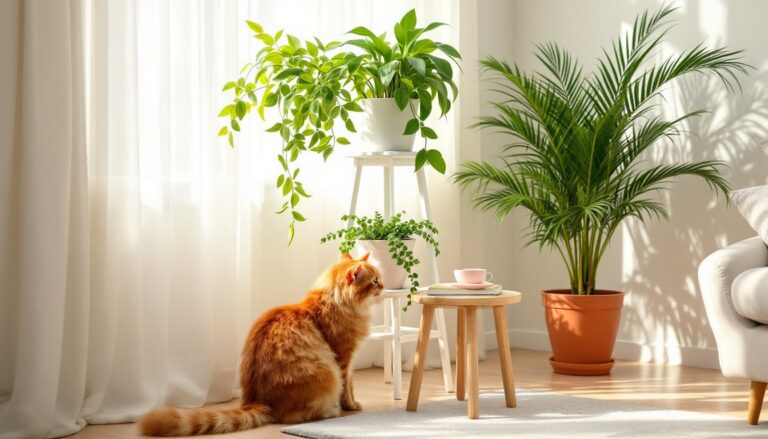
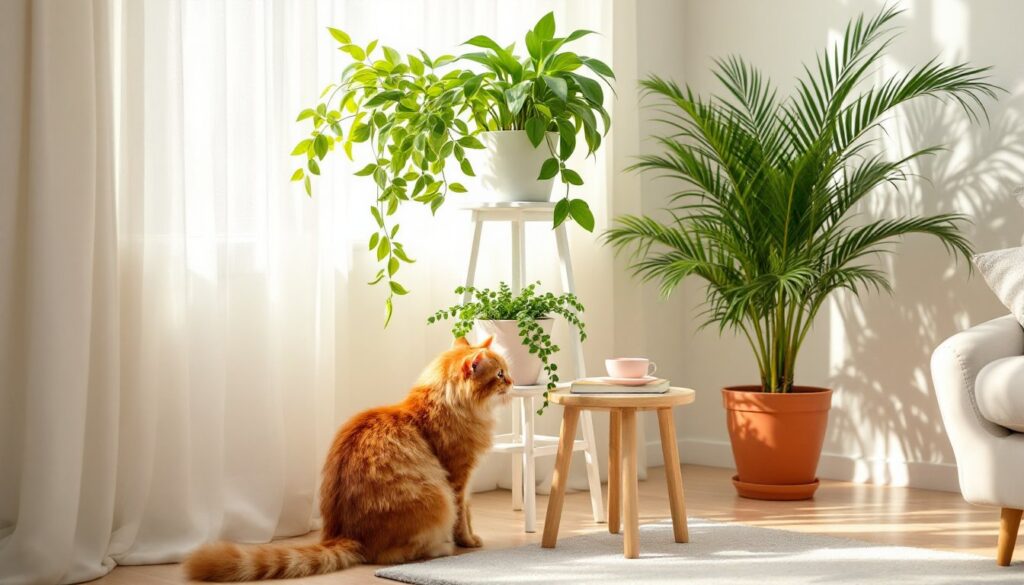
Areca Palm (Dypsis lutescens) is a showstopper, growing 6–7 feet indoors with feathery, golden-green fronds. It needs bright, indirect light and regular watering, check soil moisture 2–3 inches down and water when it feels dry. Areca palms are non-toxic and work well in larger rooms or corners that need vertical impact.
Ponytail Palm (Beaucarnea recurvata) isn’t actually a palm, it’s a succulent. The bulbous base stores water, making it drought-tolerant and ideal for forgetful waterers. It handles bright light well and only needs watering every 2–3 weeks. The long, curly leaves cascade from the top, creating a sculptural look safe for curious cats.
Calathea varieties (Calathea orbifolia, Calathea medallion) are known for bold, patterned foliage in deep greens, purples, and silvers. They prefer low to medium light and high humidity, misting or using a humidifier helps prevent crispy leaf edges. Water when the top inch of soil is dry, using filtered or distilled water if tap water is heavily chlorinated (chlorine can cause browning).
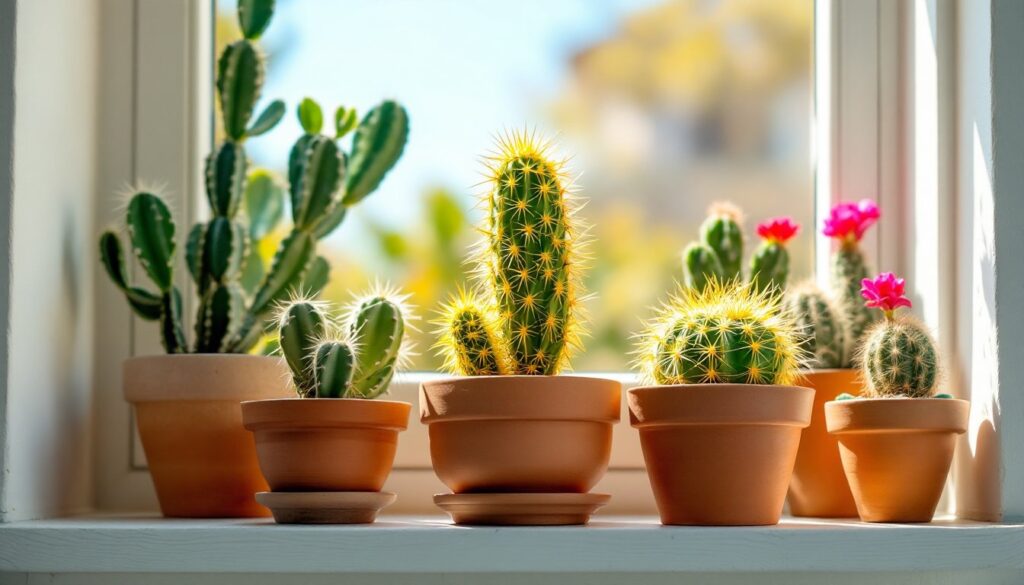
Haworthia and Echeveria succulents bring texture and geometry to shelves or windowsills. Both are safe for cats, require bright light, and need infrequent watering (every 2–3 weeks). Use well-draining cactus soil to prevent root rot. These compact plants work well in low-light spaces when paired with supplemental lighting.
Common Houseplants to Avoid If You Have Cats
Some of the most popular houseplants are also the most dangerous for cats. Knowing which species to skip is just as important as choosing safe ones.
Pothos (Epipremnum aureum) and Philodendron varieties contain calcium oxalate crystals that cause immediate oral irritation, drooling, and difficulty swallowing. Both are common in homes because they’re nearly indestructible, but they’re a hard no for cat households.
Lilies (Lilium and Hemerocallis species) are extremely toxic, even small ingestions can cause acute kidney failure in cats. This includes Easter lilies, tiger lilies, and daylilies. Pollen alone can be dangerous if a cat brushes against flowers and then grooms its fur. If someone receives lilies as a gift, they should be kept in a room cats can’t access or removed from the home entirely.
Snake Plant (Sansevieria trifasciata) is a trendy, low-maintenance choice, but it contains saponins that cause nausea, vomiting, and diarrhea in cats. The upright, sword-like leaves are tempting for cats to chew.
Sago Palm (Cycas revoluta) is one of the most toxic plants for both cats and dogs. All parts are poisonous, with seeds being especially dangerous. Ingestion can lead to liver failure and death. Even though the name, it’s not related to true palms like the safe Areca or Parlor varieties.
Dieffenbachia (Dumb Cane) and Caladium both contain calcium oxalates and can cause severe mouth pain, swelling, and difficulty breathing. Dieffenbachia earned its common name because the toxin can temporarily interfere with speech in humans, it’s even worse for cats.
For a full list of plants to avoid, the ASPCA’s toxic plant database is a reliable resource. If a cat ingests a toxic plant, contact a vet immediately. Time matters, especially with lilies or sago palms. Dog owners face similar risks with certain species, so multi-pet households need to cross-reference safe lists for all animals.
Tips for Creating a Cat-Safe Indoor Garden
Even with non-toxic plants, a few precautions keep both greenery and pets healthy. Cats are climbers and jumpers, so “out of reach” isn’t always realistic.
Use heavy pots or anchored stands to prevent tipping. Cats love to investigate, and a falling pot can injure a pet or damage floors. Ceramic or terra cotta pots work better than lightweight plastic.
Cover soil with rocks or mesh to discourage digging or using the pot as a litter box. Cats are drawn to loose soil, and ingesting potting mix (which may contain fertilizers or perlite) can cause digestive upset. Smooth river rocks or a layer of sphagnum moss works well.
Skip chemical fertilizers and pesticides in homes with cats. Even if the plant itself is safe, residues from treatments can be toxic. Use organic options like worm castings or compost tea, and always rinse leaves if using neem oil or insecticidal soap.
Provide cat grass or catnip as an alternative. Many cats chew plants out of boredom or because they crave roughage. A dedicated pot of cat grass (wheat, oat, or barley grass) gives them a safe outlet and may reduce interest in other plants. Growing cat grass is simple, seeds sprout in 7–10 days with minimal care.
Rotate plants seasonally to keep layouts fresh and monitor for damage. If a cat repeatedly targets a specific plant (even a safe one), move it to a different room or higher shelf. Persistent chewing can still cause stomach upset or damage the plant.
Group plants on shelves or plant stands to create vertical gardens that are harder for cats to access. Floating shelves or corner étagères work well in small spaces. Identifying plant types and their needs helps when planning groupings based on light and humidity requirements.
Check new plants before bringing them home. Even from reputable nurseries, mislabeling happens. Cross-reference the botanical name (not just the common name) against the ASPCA database. According to horticulture experts, many garden centers now label pet-safe plants, but double-checking never hurts.
If a plant shows signs of stress, yellowing leaves, dropped foliage, or stunted growth, it may need rescue care and troubleshooting. Adjusting light, water, or humidity often solves the problem before the plant declines too far.
Conclusion
Creating a cat-safe indoor garden doesn’t require compromising on style or variety. From low-maintenance spider plants to dramatic Areca palms, plenty of non-toxic options thrive indoors while keeping pets out of danger. Avoid known toxins like lilies and pothos, use smart placement strategies, and provide alternatives like cat grass to satisfy curious nibblers. With a little planning, homeowners can enjoy lush greenery and peace of mind, no emergency vet visits required.