
Table of Contents
ToggleIn a world where houseplants can go from lush to lackluster faster than you can say “overwatering,” the art of home plant rescues has never been more crucial. Picture this: a sad, droopy monstera sitting in a corner, longing for a little TLC. It’s time to channel your inner plant whisperer and turn that botanical tragedy into a leafy triumph.
What Are Home Plant Rescues?
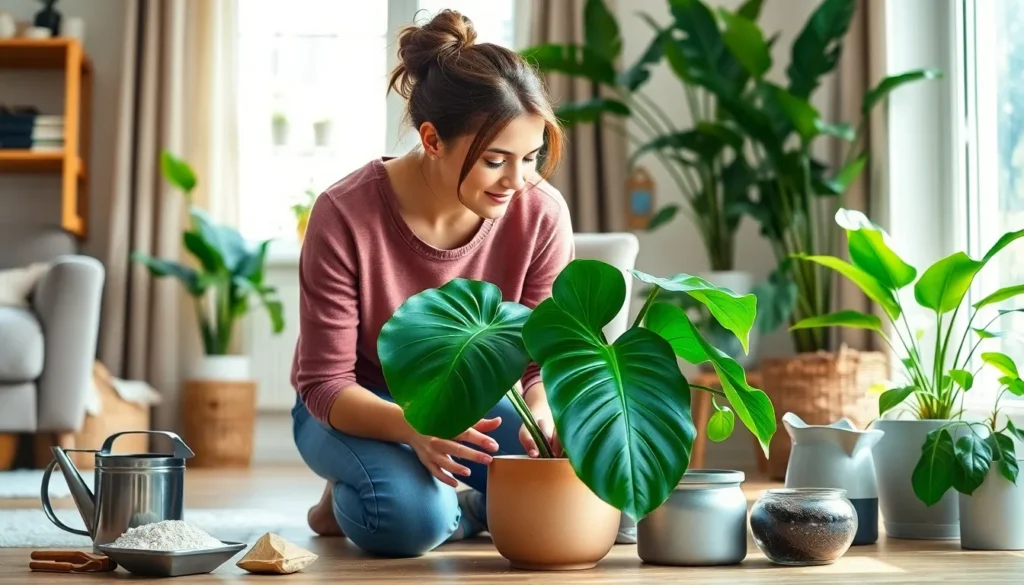
Home plant rescues involve rehabilitating houseplants facing challenges like neglect, improper care, or pests. Individuals often encounter plants that appear droopy, brown, or unhealthy. This initiative focuses on providing the necessary care to restore these plants to their former vitality.
Rescuing these plants requires assessing their condition and identifying problems. Dropping leaves signals over or underwatering, while yellowing leaves might indicate nutrient deficiencies. Each case presents unique challenges, but effective home plant rescues can help nurture them back to health.
Restoration techniques vary depending on the plant type and specific issues. Pruning damaged leaves enhances overall health, while adjusting watering schedules aids in recovery. Creating optimal lighting conditions mimics natural environments, supporting better growth for rescued plants.
Gathering the right tools is crucial for successful rescues. Soil amendments often improve drainage, while fertilizer provides essential nutrients. Applying pest control methods ensures plants remain free from harmful infestations.
Plant owners find satisfaction in witnessing recovery and growth. Progress often inspires a sense of accomplishment, fostering a deeper bond with their foliage friends. Transforming a struggling plant into a flourishing part of the home exemplifies the essence of a home plant rescue.
Learning to recognize warning signs empowers individuals to act quickly. Proper education increases the chances of success in rescuing plants. Ultimately, home plant rescues cultivate not just greenery but also knowledge around effective plant care.
Common Reasons for Plant Distress
Plant owners encounter various issues that lead to plant distress. Recognizing these reasons helps provide targeted solutions and improve plant care.
Overwatering
Overwatering remains one of the most common problems for houseplants. Excess moisture fills the soil, suffocating roots and causing root rot. Signs of overwatering include yellowing leaves and a mushy stem. To address this, individuals should check the soil moisture before watering. Allowing the soil to dry out between waterings can prevent further damage. Using pots with drainage holes allows excess water to escape, protecting roots. Adjusting the watering routine based on environmental conditions proves beneficial for plant recovery.
Underwatering
Underwatering can lead to serious stress for houseplants. Insufficient water supply causes leaves to become crispy and dry. In many cases, the plant may lose its vibrant color and appear lifeless. Implementing a watering schedule helps maintain consistent moisture levels. Regularly checking the soil moisture encourages timely watering. Additionally, grouping plants with similar care requirements minimizes the risk of underwatering. Adding a water-retaining soil amendment can also improve moisture retention, enhancing the plant’s ability to recover.
Pest Infestation
Pest infestations pose significant threats to plant health. Common pests include spider mites, aphids, and mealybugs. These insects damage plants by feeding on their sap, leading to weakened growth and discoloration. Checking leaves, stems, and soil for pest activity increases the likelihood of early detection. Introducing natural predators, such as ladybugs, offers an organic solution to pest problems. Maintaining good air circulation around plants can deter insect infestations as well. Treating affected plants with insecticidal soap or neem oil helps eradicate pests and promote healthy growth.
Steps for Effective Home Plant Rescue
Effective home plant rescue involves specific, targeted actions to revive struggling houseplants. Following these steps ensures a systematic approach to helping plants thrive again.
Assessing the Plant’s Condition
Begin by examining the leaves for signs of distress. Droopy leaves often indicate underwatering, while brown edges suggest overwatering. Observe the stems for mushiness, which points to root rot. Roots should ideally appear white and firm; dark, mushy roots signal decay. Check the soil’s moisture level, probing about an inch deep to determine the right watering balance. Identifying pests such as spider mites or aphids early can prevent further damage. Gathering this information forms the basis of a comprehensive recovery plan.
Adjusting Care Routines
Modifying watering schedules based on the plant’s needs enhances recovery chances. For example, let the top inch of soil dry out for most houseplants between waterings. Introduce a consistent fertilizing schedule, choosing an appropriate fertilizer tailored to specific plant types. Ensure optimal lighting conditions by positioning plants based on their requirements. Adjusting environmental factors, like humidity and temperature, also plays a significant role in plant health. Regularly monitoring these aspects promotes a healthier growth environment and leads to improved plant vitality.
Repotting Techniques
Consider repotting when plants outgrow their containers or exhibit poor drainage. Choose a slightly larger pot with drainage holes, ensuring better root health. Refreshing the soil mixture during repotting can revive nutrient levels. Carefully remove the plant from its current pot, loosening roots if they’re bound. Fill the new pot partially with fresh soil before positioning the plant at the same depth as it was previously. After repotting, water thoroughly to settle the soil around the roots. This technique encourages root expansion and revitalizes the overall plant structure.
Tips for Preventing Future Plant Distress
Preventing future plant distress involves understanding plant needs and creating a nurturing environment. By taking proactive measures, plant owners can maintain healthy greenery.
Choosing the Right Plants
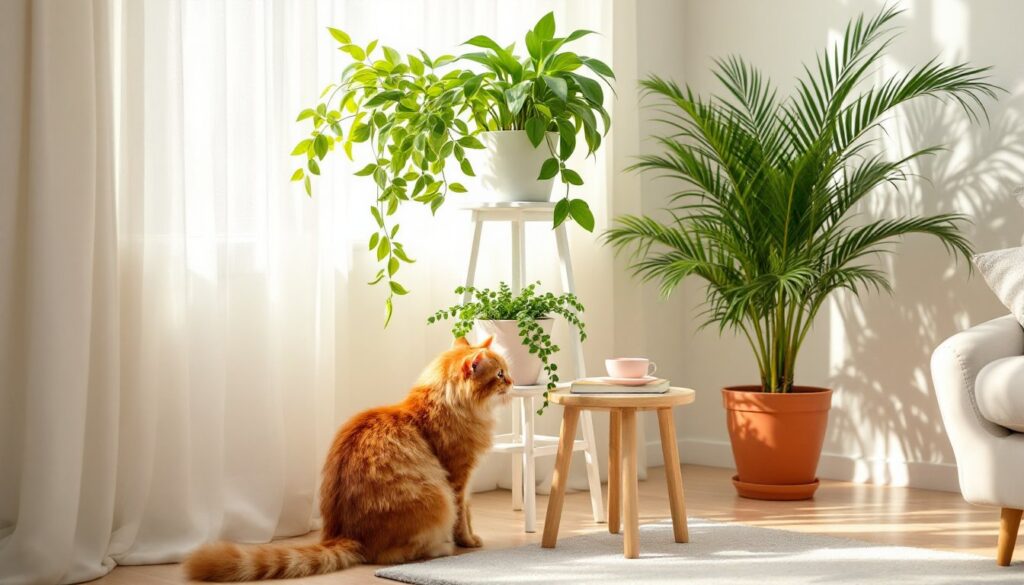
Selecting suitable plants for a home environment is vital. Start by considering factors such as light levels, humidity, and temperature. Match plants with personal experience and care capabilities. For beginners, opting for resilient varieties like pothos or snake plants proves beneficial. Assess the specific needs of each plant type, as some thrive in low-light conditions while others require bright, indirect light. Researching plant characteristics before purchase helps avoid future stress and enhances plant longevity.
Understanding Light and Humidity Needs
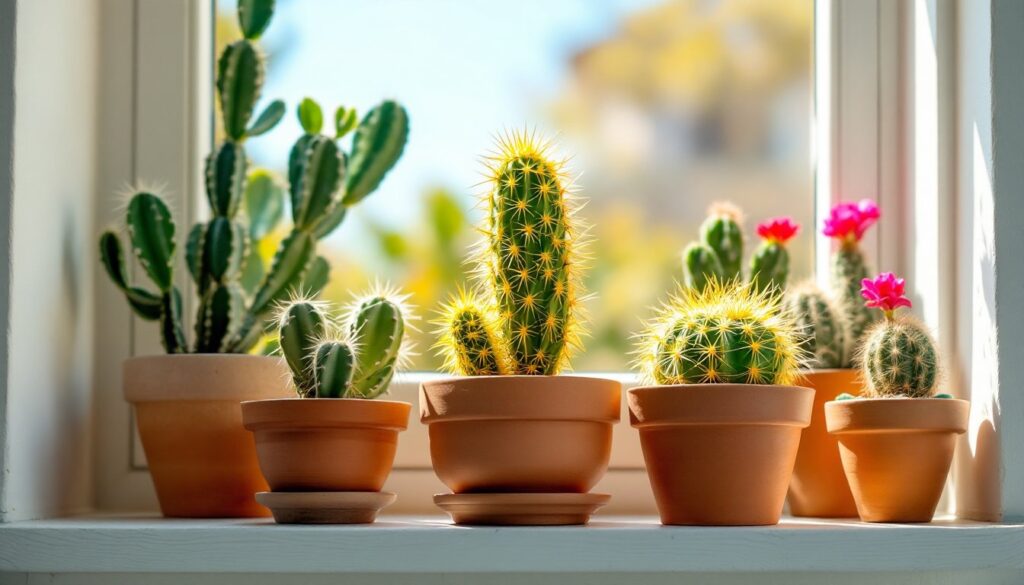
Recognizing the light and humidity needs of plants ensures optimal growth. Different houseplants have varying preferences for exposure to sunlight. Direct sunlight suits succulents, while ferns and tropical plants often prefer filtered light. Monitoring humidity levels plays an equally important role in plant health. Dry air can lead to leaf browning, especially in humidity-loving species. Utilizing a humidity meter can guide adjustments in care routines. Grouping plants together or using humidifiers increases moisture in the air, creating a suitable environment for thriving foliage.
Home plant rescues not only revitalize struggling greenery but also deepen the connection between plant owners and their leafy companions. By understanding the specific needs of each plant and addressing issues like watering, lighting, and pests, individuals can foster a thriving indoor garden. The journey of nursing a plant back to health can be rewarding and educational, enhancing one’s confidence in plant care. With the right tools and knowledge, anyone can transform their home into a lush oasis, ensuring that their plants flourish for years to come. Embracing the rescue process cultivates both greenery and a sense of accomplishment.