
Table of Contents
ToggleGood luck plants have been inviting prosperity, positive energy, and a bit of greenery into homes for centuries. Whether you’re drawn to ancient feng shui traditions or just want a low-maintenance way to brighten up a room, these plants deliver on both symbolism and style. They’re hardy, forgiving, and surprisingly adaptable to indoor conditions, which means even if your track record with houseplants isn’t stellar, you’ve got a solid shot at keeping these alive. Plus, who couldn’t use a little extra fortune hanging around the living room?
Key Takeaways
- Good luck plants like lucky bamboo, money trees, and jade plants are hardy, low-maintenance indoor plants that thrive in low light and tolerate neglect, making them ideal for beginners and busy homeowners.
- Lucky bamboo grown in water changes every two weeks and adapts to most indoor temperatures, while jade plants require bright light and should dry out completely between waterings to prevent root rot.
- Money trees prefer bright, indirect light and should be watered when the top two inches of soil feel dry, with careful attention to avoiding overwatering which is the leading cause of plant failure.
- Placing good luck plants near entryways, home offices, and workspaces aligns with feng shui traditions believed to attract prosperity while adding visual interest and air-purifying benefits to any room.
- Good luck plants need only basic care—bright indirect light, proper soil moisture checks, occasional fertilizing during spring and summer, and regular leaf wiping—to thrive for years or even decades indoors.
Why Good Luck Plants Are Perfect for Indoor Spaces
Good luck plants aren’t just about folklore, they’re practical choices for indoor gardening. Most varieties associated with prosperity happen to be tough, low-light tolerant, and forgiving when you forget to water them for a week or two. That’s not a coincidence. Plants like jade, money tree, and lucky bamboo evolved in conditions that taught them to store water, tolerate neglect, and thrive without constant babying.
From a design standpoint, these plants add vertical interest, texture, and a pop of green that works in nearly any room. They don’t demand a south-facing window or a humidifier running 24/7. Many common indoor house plants share these same resilient traits, making them ideal for renters, first-time plant owners, or anyone without a greenhouse.
Culturally, good luck plants span traditions from Asia to Latin America. Lucky bamboo is rooted in feng shui principles, while the money tree has Caribbean and East Asian ties. The jade plant is a staple in Chinese culture, often gifted to new business owners. These aren’t just decorative, they carry meaning, which makes them thoughtful housewarming or office gifts. And if the good fortune part doesn’t pan out, you’ve still got a plant that looks sharp and cleans the air.
Top Indoor Plants Believed to Attract Good Fortune
Lucky Bamboo: The Classic Symbol of Prosperity
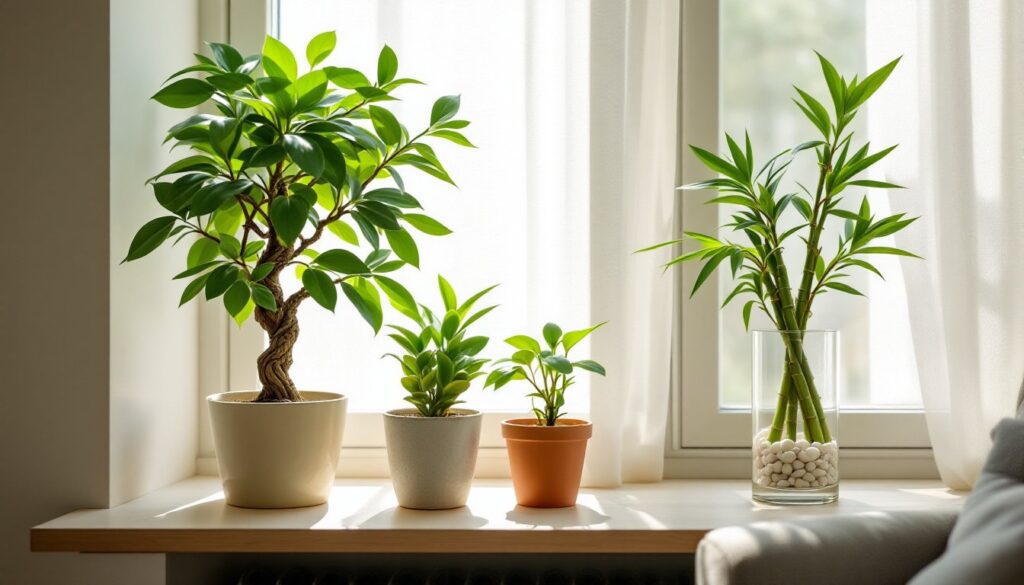
Lucky bamboo (Dracaena sanderiana) isn’t actually bamboo, it’s a member of the Dracaena family. But don’t let the name fool you: it’s one of the easiest plants to keep alive indoors. It grows in water or soil, tolerates low to moderate light, and can live for years with minimal attention.
In feng shui, the number of stalks matters. Three stalks represent happiness, five bring wealth, and six attract prosperity. You’ll often see them bundled and twisted in decorative glass vases. Change the water every two weeks and keep it out of direct sunlight to prevent algae buildup. If you’re growing it in soil, use a well-draining mix and water when the top inch feels dry.
Lucky bamboo does well in temperatures between 65°F and 90°F, making it a natural fit for most homes. It’s also tolerant of low-light conditions, so it works in offices, bathrooms, or rooms with north-facing windows. Just avoid tap water with high fluoride or chlorine, filtered or distilled water is a safer bet.
Money Tree: Wealth and Positive Energy in Every Leaf
The money tree (Pachira aquatica) is a small tree with a braided trunk and glossy, hand-shaped leaves. According to cultural traditions, it’s believed to bring financial success and good energy, especially when placed near the entrance of a home or office.
Money trees prefer bright, indirect light but can adapt to lower light levels. They like to dry out slightly between waterings, stick your finger about two inches into the soil, and if it’s dry, it’s time to water. Overwatering is the fastest way to kill one, so err on the side of caution. Use a pot with drainage holes and a well-draining potting mix.
These plants can grow up to 6 to 8 feet indoors if given enough room and light, though most stay in the 3 to 4-foot range in typical home conditions. Rotate the pot every few weeks to encourage even growth. Money trees also appreciate a bit of humidity, if your home is dry, especially in winter, a light misting or a pebble tray with water underneath can help.
Jade Plant: The Succulent of Success
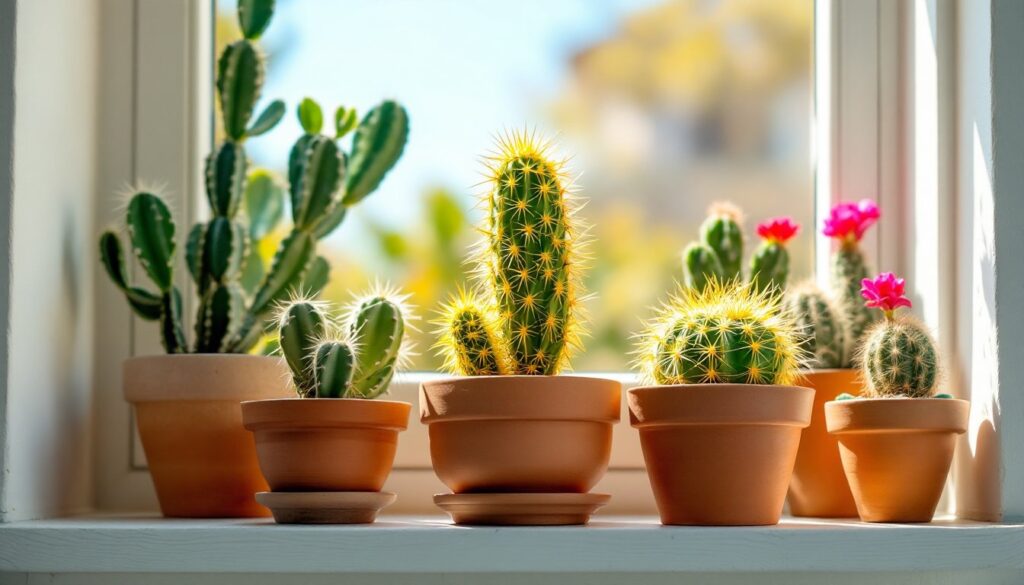
Jade plants (Crassula ovata) are compact, slow-growing succulents with thick, oval leaves that store water. They’re symbols of prosperity in Chinese culture and are often called “money plants” or “friendship trees.” Jade plants can live for decades with the right care, and mature specimens sometimes produce small white or pink flowers.
Jades need bright light, ideally four to six hours of indirect sunlight daily. A south- or west-facing window works well. They’re drought-tolerant, so water sparingly. Let the soil dry out completely between waterings, and reduce frequency in the winter when growth slows. Overwatering causes root rot, which is the top killer of jade plants.
Use a cactus or succulent potting mix for good drainage. Fertilize once or twice during the growing season (spring and summer) with a balanced, diluted fertilizer. Jade plants grow slowly, so don’t expect rapid changes, patience is part of the process. They’re also easy to propagate from leaf or stem cuttings, making them great for sharing.
Caring for Your Good Luck Plants Indoors
Good luck plants are forgiving, but they still need the basics: light, water, and the occasional feeding. Here’s how to keep them thriving without turning plant care into a second job.
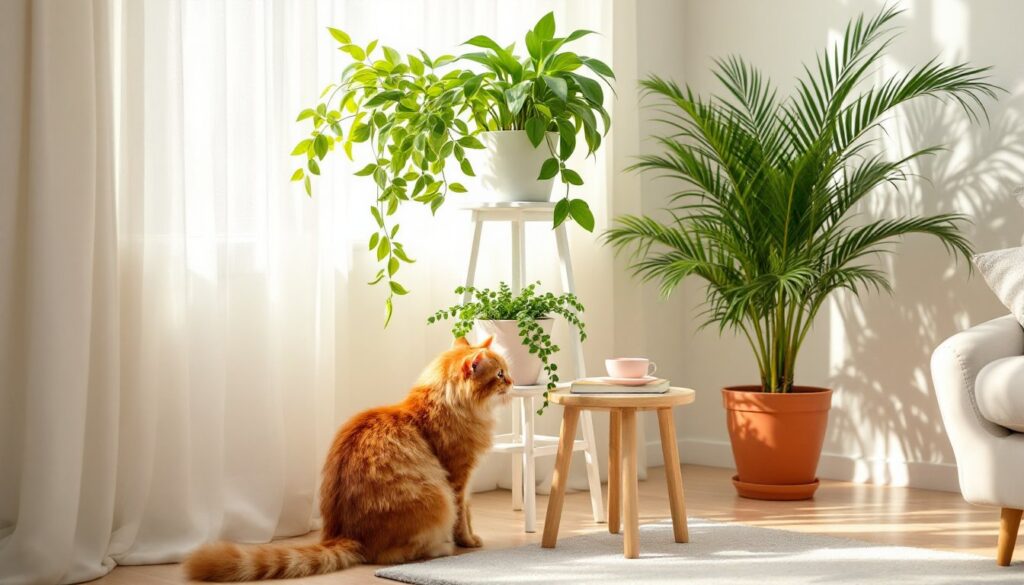
Light: Most good luck plants do best in bright, indirect light. That means a spot near a window where sunlight is filtered through a sheer curtain or bounces off a wall. Lucky bamboo tolerates lower light, while jade plants need more. If natural light is limited, consider using grow lights to supplement, especially in winter or in rooms without windows.
Water: The golden rule is to check the soil before watering. Stick your finger an inch or two into the soil. If it’s dry, water thoroughly until it drains out the bottom. If it’s still damp, wait. Overwatering kills more houseplants than underwatering. Lucky bamboo grown in water is the exception, just keep the water level consistent and change it every two weeks.
Humidity and Temperature: Most good luck plants are comfortable in average household humidity (40–50%). If your home is especially dry, a light misting or a humidity tray can help, but it’s not mandatory. Keep plants away from drafts, heating vents, and air conditioning units. Ideal temperatures range from 60°F to 80°F.
Fertilizing: Feed your plants during the growing season (spring and summer) with a balanced, water-soluble fertilizer diluted to half strength. Once a month is plenty. Skip fertilizing in fall and winter when growth slows. Jade plants and money trees appreciate a cactus fertilizer, while lucky bamboo can get by with a very diluted all-purpose liquid feed.
Pruning and Maintenance: Trim off dead or yellowing leaves to keep plants looking tidy and to prevent disease. Wipe down leaves with a damp cloth every few weeks to remove dust, which can block light absorption. For more intensive plant rescues, don’t be afraid to cut back leggy growth or repot root-bound plants.
Where to Place Good Luck Plants for Maximum Impact
Placement matters, not just for the plant’s health, but also for the energy and style they bring to a space. Feng shui practitioners have specific guidelines, but even if you’re not into that, these placements make practical sense.
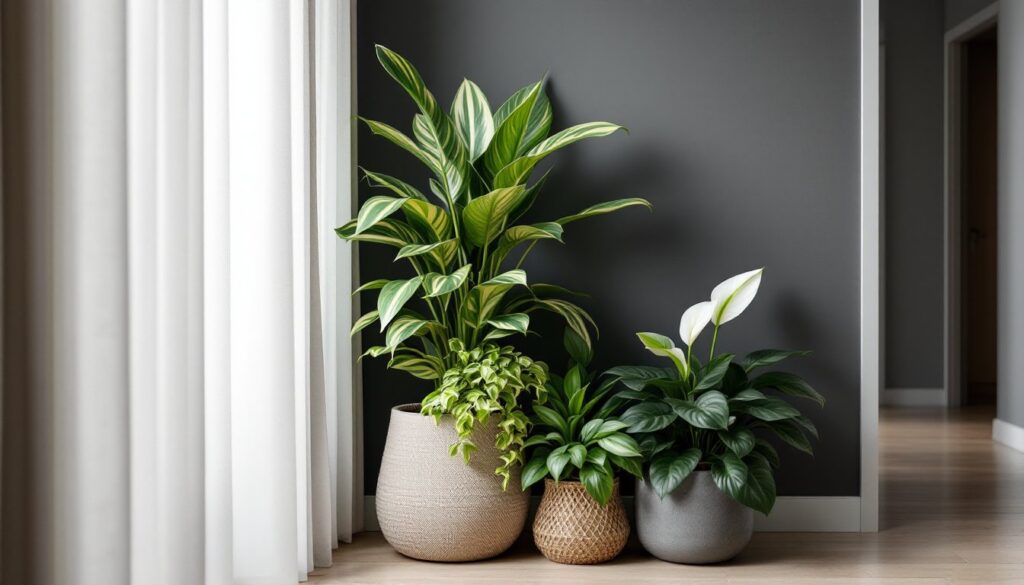
Entryways and Living Rooms: Money trees and lucky bamboo are traditionally placed near the front door to invite wealth and positive energy. From a design perspective, it’s a welcoming touch that sets the tone for the rest of the home. Use a decorative pot or stand to elevate the plant and make it a focal point.
Home Offices and Workspaces: Jade plants and money trees work well on desks or shelves in home offices. They’re compact, low-maintenance, and according to feng shui principles, they encourage financial growth and focus. Just make sure they get enough light, a spot near a window is ideal.
Bathrooms and Kitchens: Lucky bamboo thrives in humid environments, making it a natural fit for bathrooms with indirect light. It can sit on a countertop, windowsill, or even a shelf. Avoid placing plants near stoves or ovens, where heat fluctuations can stress them.
Bedrooms: While some traditions suggest avoiding too many plants in the bedroom, a small jade plant or lucky bamboo on a nightstand or dresser is fine. They won’t release significant amounts of CO₂ at night, and the greenery can be calming.
Avoid Direct Sunlight and Drafts: No matter where you place your plant, keep it out of harsh, direct sun (which can scorch leaves) and away from cold drafts or heating vents. Rotate pots every few weeks so all sides get even light exposure, which prevents lopsided growth.
Good luck plants don’t require a complete interior redesign. They fit into existing décor, add a layer of texture and color, and give you something living to care for, without the commitment of a pet or the upkeep of a full garden. Whether you’re chasing fortune or just want a resilient green companion, these plants deliver.