
Table of Contents
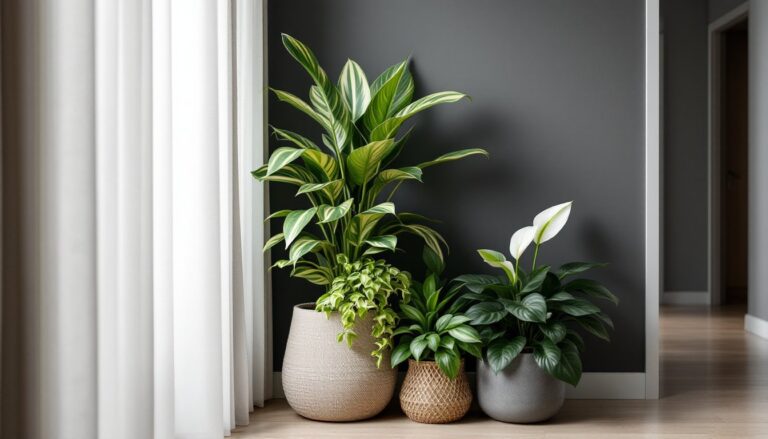
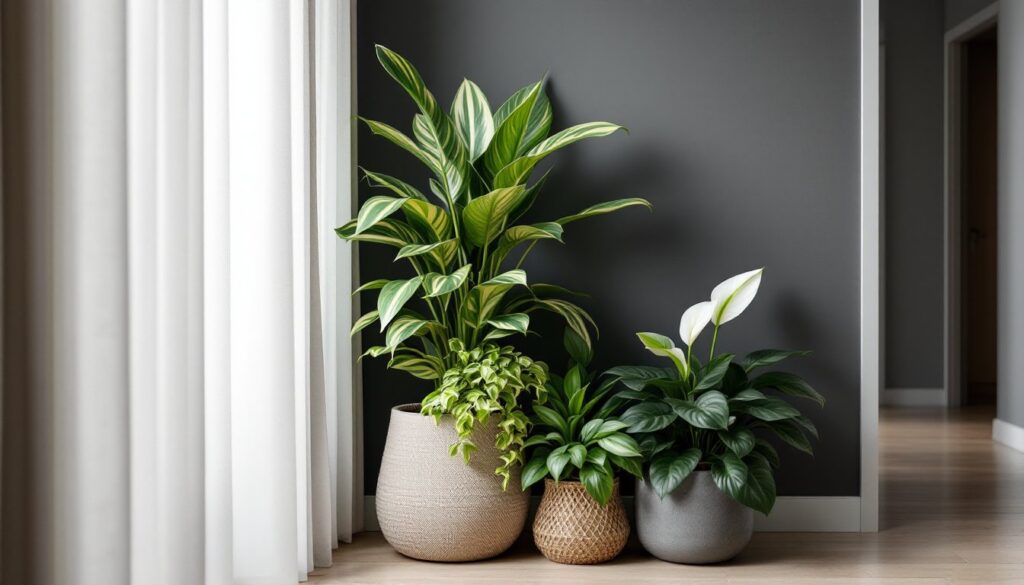
ToggleWalk into a modern home and you’ll notice something: not every room has floor-to-ceiling windows. North-facing bathrooms, interior hallways, basement offices, and apartments with limited exposure, these are the spaces we live in daily. And until recently, they’ve been the kiss of death for house plants. But low-light tolerant plants have changed that. These aren’t fragile exotics that sulk in the shade. They’re resilient, often drought-tolerant species that evolved under rainforest canopies or forest floors. With the right picks, a dim corner can become just as green as a sunroom.
Key Takeaways
- Low-light house plants thrive in dim rooms and require far less watering and fertilizing than sun-loving varieties, making them perfect for busy professionals and renters.
- Snake plant, pothos, and ZZ plant are nearly indestructible beginner-friendly options that tolerate anything from deep shade to bright indirect light and forgive neglect.
- For visual interest, consider Chinese evergreen, cast iron plant, and dracaena—all proven low-light tolerant species that add color, texture, and architectural appeal without needing a south-facing window.
- Peace lily uniquely blooms reliably in low light and actively filters airborne VOCs, offering both beauty and improved indoor air quality in dim spaces.
- Heartleaf philodendron and parlor palm provide tropical aesthetics while thriving in low light, with parlor palm being pet-safe—a rare advantage among house plants.
- Low-light house plants eliminate the need for energy-consuming grow lights and are less prone to pests, making them an eco-friendly and practical solution for modern homes with limited window exposure.
Why Low-Light Plants Are Perfect for Modern Homes
Most home interiors receive far less light than we think. A bright room to our eyes might only deliver 50–200 foot-candles, while full sun outdoors measures 10,000 or more. Low-light plants have adapted to similar dimness in their native habitats, think understory ferns in Southeast Asia or epiphytes clinging to shaded tree trunks.
These species use chlorophyll more efficiently and grow slower, which means less frequent watering and fertilizing. That makes them ideal for renters, busy professionals, or anyone without a green thumb. They also tolerate neglect better than sun-loving tropicals, which wilt or scorch when conditions aren’t perfect.
Another practical win: low-light plants reduce the need for grow lights, saving energy and avoiding the hassle of timers and fixtures. They’re also less prone to pests like spider mites, which thrive in warm, bright conditions. If you’ve killed a fiddle-leaf fig or watched a succulent etiolate into a sad, leggy mess, a shade-tolerant plant is your fresh start.
Finally, these plants fit real floor plans. Most homes have more dim zones than sunny ones. By choosing species that thrive in low light, you’re matching the plant to the environment instead of rearranging furniture or sacrificing window space.
Best Low-Light House Plants for Beginners
If you’re new to indoor gardening or recovering from past plant casualties, start here. These three are nearly indestructible and widely available at garden centers and big-box stores.
Snake Plant (Sansevieria)
Snake plant (now reclassified as Dracaena trifasciata, but still sold under the old name) is the workhorse of low-light house plants. Its upright, sword-shaped leaves store water, so it can go two to three weeks between waterings, sometimes longer in winter. It tolerates anything from deep shade to bright indirect light, though growth slows in true darkness.
Plant it in a well-draining mix (cactus soil works) and a pot with drainage holes. Overwatering is the only real way to kill it: root rot sets in fast if the soil stays soggy. Wipe the leaves occasionally to remove dust, which blocks light absorption.
Varieties like ‘Laurentii’ (yellow-edged) and ‘Black Gold’ add visual interest. Snake plants also made NASA’s list of air-purifying plants, filtering formaldehyde and benzene, though you’d need several to meaningfully impact indoor air quality.
Pothos (Epipremnum aureum)
Pothos is the vining plant you’ve seen trailing from shelves, cabinets, and hanging baskets in every coffee shop. It roots easily in water or soil, spreads fast, and handles neglect like a champ. In low light, the variegation (yellow or white streaks) fades to solid green, but the plant stays healthy.
Use a general-purpose potting mix and let the top 2 inches dry out between waterings. Pothos thrives in humidity but adapts to dry indoor air. If vines get leggy, trim them back, cuttings propagate in a glass of water in about two weeks, giving you free plants to spread around or gift.
Golden pothos is the most common, but ‘Marble Queen’ (white variegation) and ‘Neon’ (chartreuse leaves) are worth hunting down. Keep pothos away from pets: it’s toxic if ingested. Many common indoor house plants share this trait, so check toxicity before placing plants in reach of curious animals or kids.
ZZ Plant (Zamioculcas zamiifolia)
The ZZ plant looks polished enough for a corporate lobby but tolerates conditions that would kill most tropicals. Its thick, waxy leaves and rhizomatous roots store water and nutrients, letting it survive weeks of drought. It grows slowly, sometimes only a few new stalks per year, but that also means less repotting and pruning.
Plant in a heavy pot (ZZ plants can get top-heavy) with well-draining soil. Water only when the soil is completely dry, roughly every 2–3 weeks. Yellowing leaves usually signal overwatering, while brown tips indicate underwatering or low humidity. ZZ plants are mildly toxic, so handle them with gloves if you have sensitive skin.
This is one of the few house plants that don’t need sunlight in a literal sense, it can survive in offices with only fluorescent lighting, though it prefers some ambient natural light.
Low-Light House Plants for Visual Impact
Once you’ve mastered the basics, these species add color, texture, and scale to dim rooms without demanding a south-facing window.
Chinese Evergreen (Aglaonema)
Chinese evergreen offers bold foliage patterns, silver streaks, red veins, pink splashes, that brighten dark corners better than solid green leaves. It’s native to the understory of Southeast Asian forests, so it’s built for shade. Most varieties tolerate low light, though the most colorful cultivars (‘Siam Aurora’, ‘Red Valentine’) need medium light to maintain their hues.
Use a peat-based potting mix and keep the soil lightly moist (not wet). Chinese evergreen prefers 60–75°F and higher humidity, so it’s a good pick for bathrooms or kitchens. Wipe the leaves monthly to keep them glossy and dust-free.
This plant is slow-growing and rarely needs repotting. It’s also toxic to pets and humans if ingested, so placement matters. If you’re filling a shaded front porch or entryway, Chinese evergreen works year-round in temperate climates (zones 10–11 outdoors: indoors elsewhere).
Cast Iron Plant (Aspidistra elatior)
The name says it all. Cast iron plant survives deep shade, irregular watering, temperature swings, and poor soil. Victorian-era gardeners used it in gaslit parlors with coal dust in the air, if it survived that, it’ll survive your apartment.
It has broad, arching leaves that emerge from the soil on long petioles, giving it an elegant, architectural look. Growth is glacially slow (a few leaves per year), but mature plants can reach 2 feet tall and wide. Plant in standard potting soil and water when the top half of the soil is dry. It tolerates low humidity and temperatures down to 50°F, making it ideal for drafty hallways or unheated sunrooms.
Varieties like ‘Milky Way’ (white speckles) and ‘Asahi’ (white-tipped leaves) add subtle variation. Cast iron plant rarely suffers from pests or diseases. If you’ve struggled with home plant rescues in the past, this is your redemption arc.
Dracaena (Multiple Species)
Dracaenas are a diverse genus with dozens of species suited to low light. Dracaena marginata (dragon tree) has spiky, red-edged leaves on woody stems. Dracaena fragrans (‘Massangeana’ or corn plant) has broad, arching foliage with a yellow stripe. Both tolerate low light and infrequent watering.
Use well-draining soil and let the top 1–2 inches dry between waterings. Dracaenas are sensitive to fluoride in tap water, which causes brown leaf tips. Use distilled or filtered water, or let tap water sit overnight to off-gas chlorine.
Mature dracaenas can reach 4–6 feet indoors, making them statement plants for entryways or corners. They’re also easy to propagate: cut a stem segment, let it callus for a day, then plant it in moist soil. New growth emerges from the cut end in a few weeks.
Peace Lily (Spathiphyllum)
Peace lily is unique among flowering house plants, it blooms reliably in low light. The white spathe (the “flower” is actually a modified leaf) appears several times a year, lasting weeks. The glossy, dark green leaves arch gracefully, and the plant signals when it needs water by drooping slightly (it perks up within hours of watering).
Plant in a peat-based mix and keep the soil consistently moist but not soggy. Peace lilies prefer 65–80°F and higher humidity. They’re sensitive to chlorine and fluoride, so use filtered water if possible. Brown leaf tips usually indicate low humidity or chemical burn from tap water.
Peace lilies are toxic to pets and humans if ingested. They’re also effective at filtering airborne VOCs, according to studies on indoor air quality. If you’re looking for a plant that does more than sit there, this is it.
Philodendron (Heartleaf)
Heartleaf philodendron (Philodendron hederaceum) is a fast-growing vine with heart-shaped leaves. It’s as easy as pothos and just as versatile, train it up a moss pole, let it cascade from a shelf, or keep it compact with regular pruning.
Use a well-draining potting mix and water when the top 2 inches are dry. Philodendrons tolerate low light but grow faster and develop larger leaves in medium light. They prefer humidity but adapt to average indoor conditions.
This plant is toxic to pets, so hang it high or place it out of reach. Cuttings root easily in water, making it a great plant to share. If you’re sourcing house plants nearby, heartleaf philodendron is almost always in stock at local nurseries.
Parlor Palm (Chamaedorea elegans)
Most palms demand bright light, but parlor palm is an exception. Native to the rainforest floor in Central America, it thrives in low light and stays compact (2–4 feet indoors). The feathery fronds add a tropical feel without the humidity requirements of larger palms.
Plant in a peat-based mix with good drainage. Water when the top inch is dry, and mist occasionally if indoor air is very dry (below 30% humidity). Parlor palm prefers 65–80°F and tolerates cooler temps better than most tropicals.
It’s slow-growing and rarely needs repotting. Spider mites can appear in dry conditions: rinse the fronds monthly to prevent them. Parlor palm is pet-safe, making it one of the few house plants that won’t cause issues if a cat takes a nibble.
Prayer Plant (Maranta leuconeura)
Prayer plant earns its name by folding its leaves upward at night, a movement called nyctinasty. The patterned foliage, red veins, dark spots, lime-green stripes, makes it one of the showiest low-light options.
It prefers consistently moist (not wet) soil and high humidity. Use a peat-based mix and water with filtered or distilled water to avoid brown edges. Prayer plant thrives in terrariums, bathrooms, or near a humidifier.
It’s a slow spreader, sending out runners that root where they touch soil. Trim them to keep the plant compact, or let it fill a hanging basket. Prayer plant is non-toxic and safe around pets.
Final Picks: Dieffenbachia and Aglaonema ‘Silver Bay’
For a quick round-out, dieffenbachia (dumb cane) offers large, variegated leaves and tolerates low light, though it’s toxic if ingested. Aglaonema ‘Silver Bay’ is a tougher, more compact cousin of the Chinese evergreen, with silver-green foliage that reflects light and brightens dim rooms. Both are low-maintenance and widely available, making them solid choices for filling out a low-light plant collection.