
Table of Contents
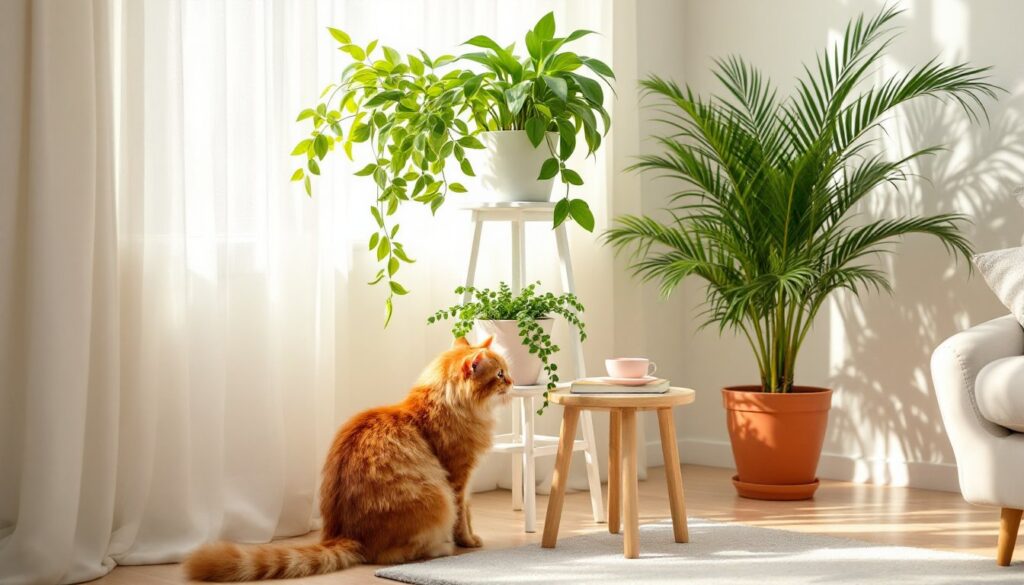
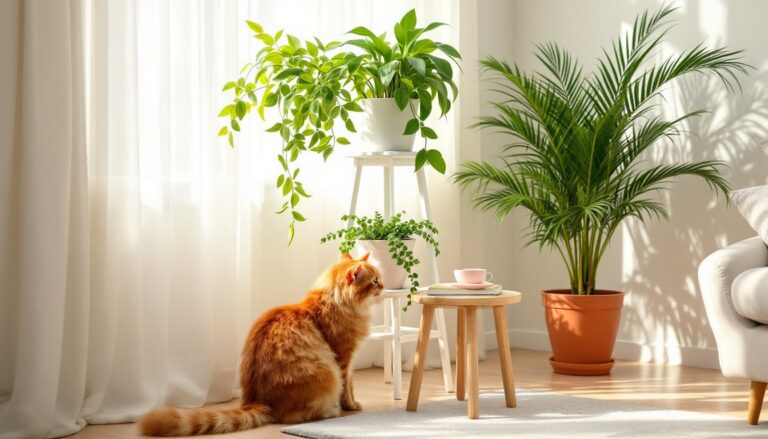
ToggleHouse plants are more than just pretty decorations; they’re the ultimate companions for anyone looking to spruce up their space. Imagine a leafy friend who never judges your Netflix choices or the number of snacks consumed during a binge-watch session. These green beauties not only liven up a room but also purify the air and boost mood—talk about a win-win!
Whether you’re a seasoned plant parent or just starting your botanical journey, there’s a house plant out there that fits every personality. From the resilient snake plant that thrives on neglect to the delicate fern that demands a little extra love, the options are endless. So why not invite some greenery into your life? After all, a little foliage could be just what your home—and your sanity—needs.
Benefits of House Plants
House plants offer numerous advantages that enhance both the living environment and overall well-being. Their presence can transform spaces while contributing positively to mental health and air quality.
Mental Health Advantages
House plants significantly improve mental health. Studies indicate that interacting with greenery reduces stress levels and promotes relaxation. Individuals who tend to care for plants often report increased feelings of happiness. Incorporating plants into daily life invites a sense of responsibility, providing purpose and routine. Engaging with nature, even indoors, fosters mindfulness and reduces symptoms of anxiety. For example, observing plant growth can be a meditative experience. Plants enhance creativity by providing stimulating environments, leading to increased productivity and focus.
Air Quality Improvement
Air quality benefits from house plants in remarkable ways. Specifically, certain plants are known to filter toxins, including formaldehyde and benzene. By absorbing these pollutants, plants contribute to healthier indoor air. Research from NASA highlights that specific varieties, such as spider plants and peace lilies, excel in purifying air. Additionally, house plants increase humidity levels, which can alleviate respiratory ailments. Higher humidity also minimizes dust and allergens in the environment. Overall, incorporating green foliage actively contributes to cleaner air, promoting respiratory well-being.
Popular Types of House Plants
House plants come in various types, each offering unique features and benefits. Here are some popular categories that enhance indoor environments.
Low-Maintenance Options
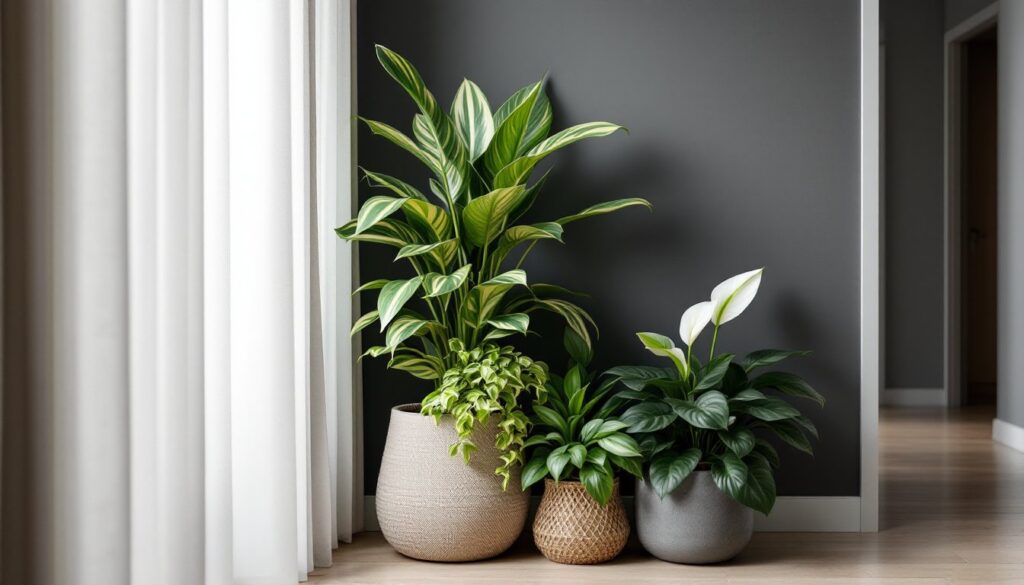
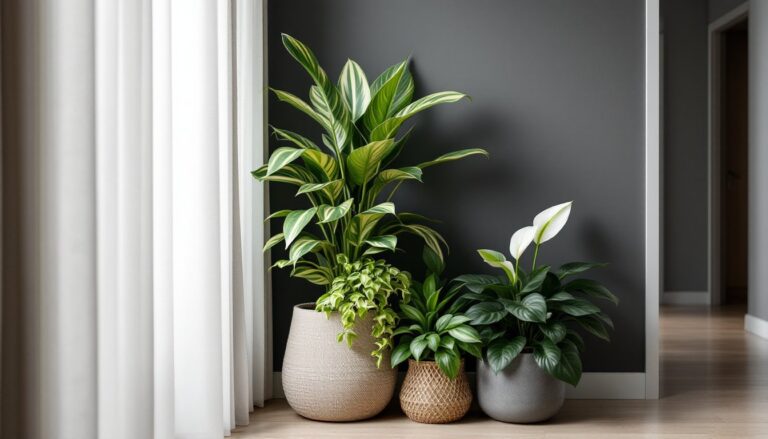
Snake plants thrive in low light and require minimal watering. ZZ plants also flourish on neglect, making them ideal for busy lifestyles. Pothos plants adapt to various conditions and can grow in water or soil. Spider plants tolerate fluctuations in care and often produce “baby” plants. Peace lilies enjoy indirect sunlight and need occasional watering for optimal growth. These options appeal to individuals who want greenery without extensive upkeep.
Flowering Plants
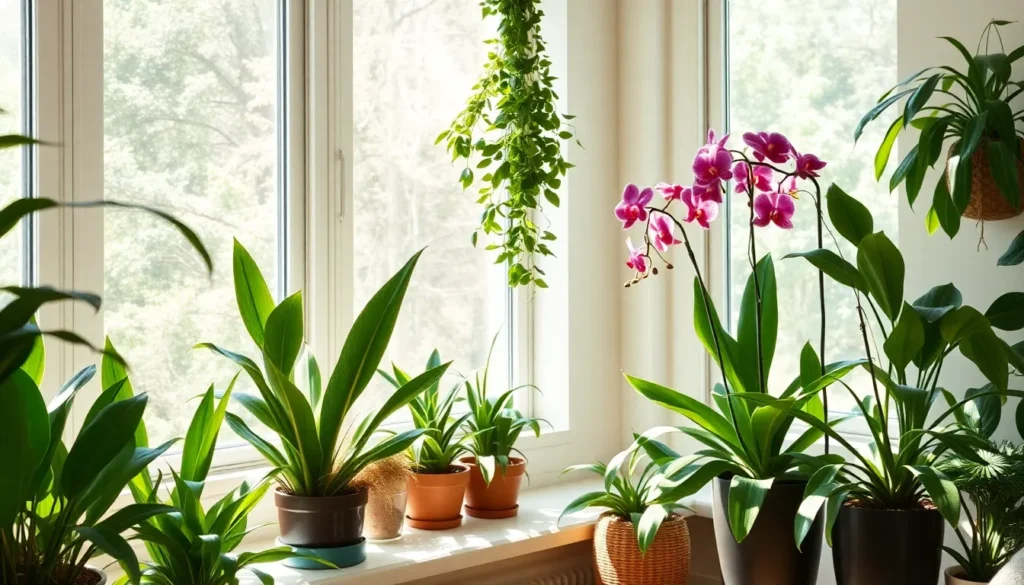
African violets produce beautiful blooms throughout the year with proper care. Geraniums showcase vibrant colors and fragrant leaves, perfect for brightening spaces. Orchids offer exotic flowers and can thrive in indirect light. Many people find begonias attractive for their colorful foliage and flowers. Kalanchoe plants provide blossoms that last weeks, adding color to indoor areas. Flowering plants attract attention and enhance any home decor.
Care Tips for House Plants
House plants thrive with proper care. Focusing on watering and light requirements ensures their health and vitality.
Watering Guidelines
Watering remains a critical aspect of house plant care. Each plant has specific moisture needs, so understanding these is essential. Over-watering leads to root rot while under-watering causes wilting. Generally, checking the top inch of soil provides a good indicator of moisture. If it’s dry, it’s time for watering. Snake plants prefer drying out completely between waterings, while pothos enjoys slightly moist soil. Be mindful of the season; plants typically need less water in winter.
Light Requirements
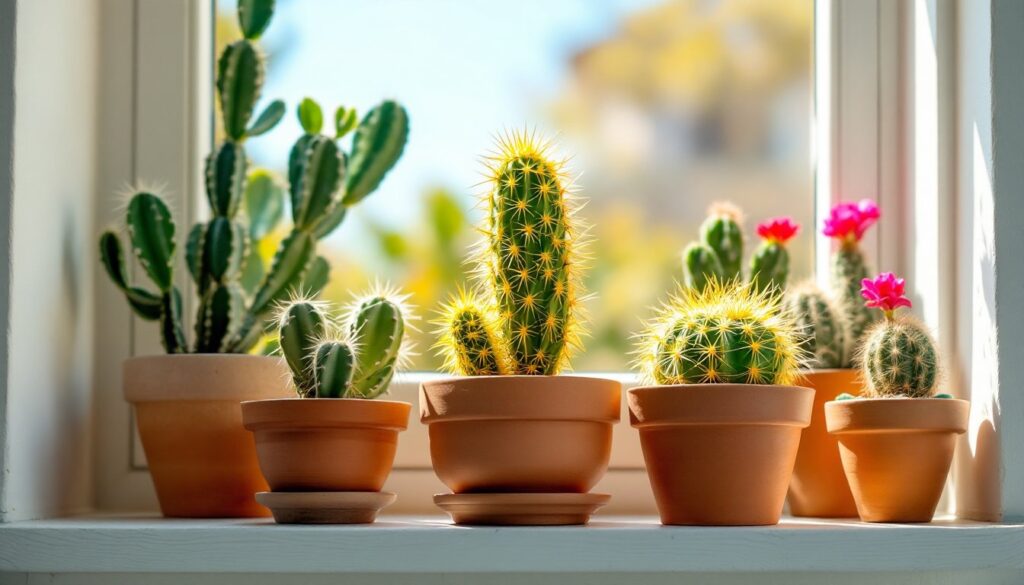
Light conditions play a crucial role in plant health. Different house plants adapt to varying light levels. Bright, indirect light suits most flowering plants, while succulents thrive in direct sunlight. Low-light varieties, like ZZ plants, can tolerate shadier spots. Positioning plants according to their light needs ensures robust growth and vibrant foliage. Observe plant behavior; if leaves yellow or stretch, adjust their location. It’s important to rotate plants occasionally for even exposure to light.
Common Pests and Troubleshooting
House plants can attract various pests that disrupt their health. Identifying these pests early ensures timely intervention and better outcomes for plants.
Identifying Pests
Aphids are small, soft-bodied insects that cluster on new growth, sucking sap. Spider mites cause stippling on leaves and fine webbing, indicating their presence. Mealybugs appear as white, cotton-like masses on stems and leaves. Fungus gnats, often mistaken for fruit flies, flutter around soil and can harm roots. Scale insects attach firmly to stems, appearing as small brown bumps. Observing any changes in plant appearance, such as discoloration or spots, often points to a pest issue.
Effective Solutions
Removing pests mechanically with a damp cloth efficiently eliminates small infestations. Insecticidal soap treats soft-bodied insects, ensuring plant safety. Neem oil acts as a natural pesticide, repelling various pests while promoting plant health. Introducing beneficial insects like ladybugs enhances pest control without chemicals. Regularly inspecting plants helps catch pest problems early, preventing larger infestations. Maintaining healthy plants with proper care can be the best defense against pests.
House plants offer a multitude of benefits that extend beyond mere decoration. They create a vibrant atmosphere while contributing positively to mental well-being. By choosing the right plants and understanding their care needs, anyone can enjoy the rewards of indoor gardening.
Incorporating greenery into daily life not only enhances living spaces but also fosters a sense of purpose and tranquility. With the right knowledge and a little effort, house plants can thrive and bring joy to any home. Embracing this green lifestyle can lead to improved air quality and a happier, healthier environment.