
Table of Contents
ToggleMost houseplants get marketed as low-light tolerators, leaving south-facing windows and sun-drenched rooms feeling bare. But there’s a whole roster of indoor plants that don’t just tolerate direct sunlight, they crave it. These sun worshippers thrive in the intense light that would scorch a pothos or peace lily, turning bright spaces into vibrant, healthy displays. Understanding which plants need those strong rays and how to position them properly makes the difference between a flourishing indoor garden and a collection of scorched, struggling specimens.
Key Takeaways
- Indoor plants that like direct sunlight—such as succulents, cacti, hibiscus, and croton—require unfiltered rays from south-facing windows or within three feet of east/west windows to thrive and develop vibrant colors and blooms.
- Matching light intensity to a plant’s natural habitat is the most critical factor in indoor plant success, more important than watering schedules or fertilizer, because sun-loving species evolved in high-light environments with specialized leaf adaptations.
- Position sun-loving houseplants on south-facing windowsills in the Northern Hemisphere, rotate them weekly for balanced growth, and gradually acclimate shade-grown plants to direct sunlight to prevent sunburn.
- Water needs increase significantly in bright light due to faster photosynthesis, so check soil moisture before watering rather than following a fixed schedule, and use well-draining soil mixes with perlite or sand to prevent root rot.
- Common mistakes like ignoring seasonal light changes, over-watering in winter, and skipping humidity adjustments can harm sun-loving plants, even though they crave direct sunlight.
Why Direct Sunlight Matters for Indoor Plants
Direct sunlight means unfiltered rays hitting foliage without obstruction from curtains, trees, or window film. It’s the kind of light you get from south-facing windows (in the Northern Hemisphere) or within about three feet of an unobstructed east or west window during peak hours.
Not all plants photosynthesize the same way. Sun-loving species evolved in open deserts, tropical canopies with high light penetration, or rocky outcrops where shade is scarce. Their leaves are often thick, waxy, or covered in fine hairs, adaptations that prevent water loss and sun damage. Without adequate direct light, these plants stretch (etiolate), lose vibrant leaf color, and refuse to flower.
The inverse is also true: plants adapted to forest floors or shaded understories will develop bleached spots, brown edges, or papery leaves when exposed to full sun indoors. Matching light intensity to plant origin is the single most important factor in indoor plant success, even more than watering schedules or fertilizer.
Most grow lights for supplemental use can’t fully replicate the intensity of direct sun. A sunny windowsill delivers 5,000 to 10,000 foot-candles during midday, while even high-output LEDs typically max out around 2,000 to 3,000 foot-candles at close range. For true sun lovers, natural light is hard to beat.
Best Sun-Loving Indoor Plants for Bright Spaces
Choosing the right plant for a high-light area starts with understanding its natural habitat. The following categories represent the most reliable performers for direct indoor sun.
Succulents and Cacti: Desert Beauties That Thrive in Full Sun
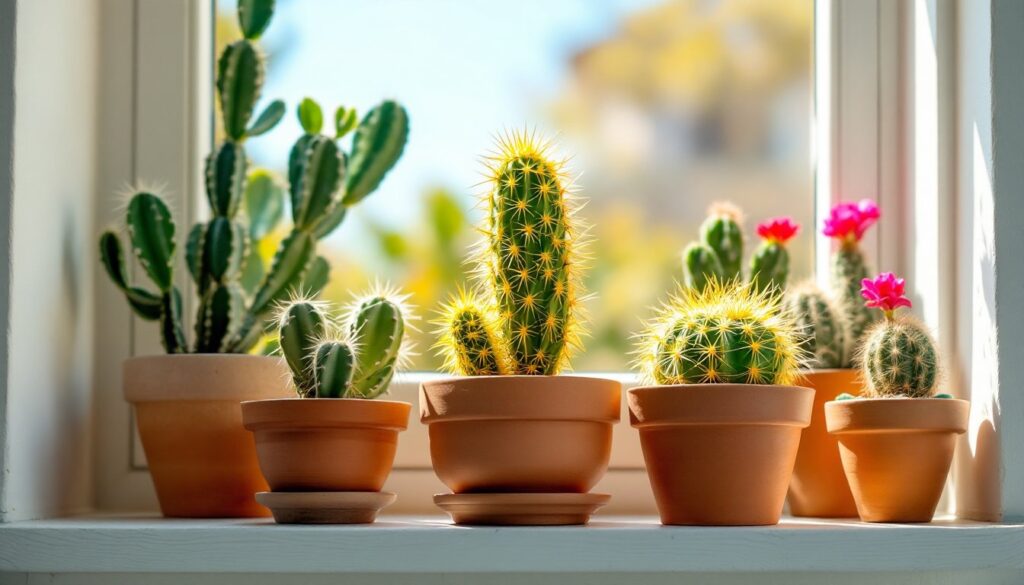
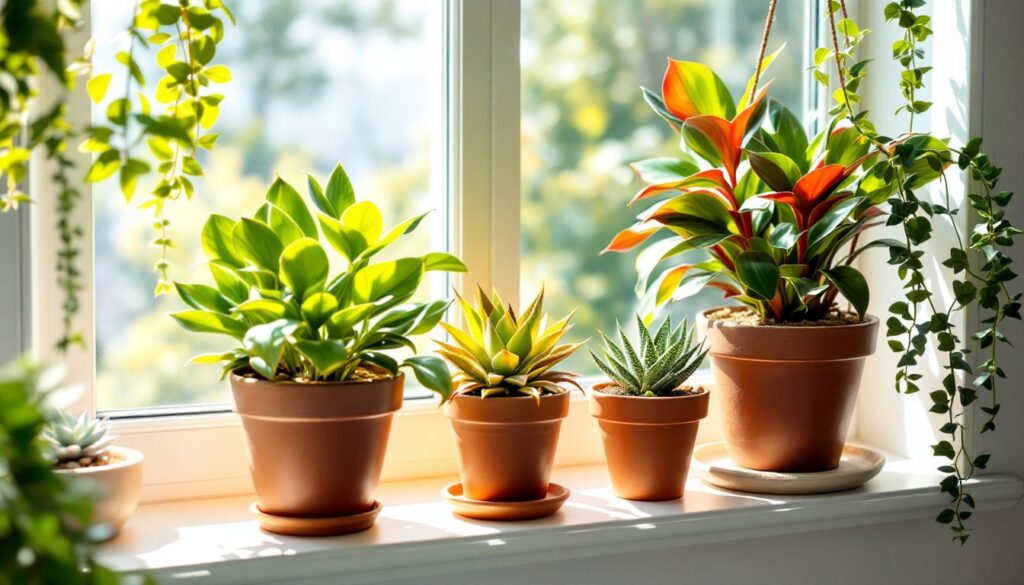
Succulents and cacti are the obvious first choice for sunny windowsills. Their fleshy leaves or pads store water, and their shallow root systems are adapted to infrequent rainfall and intense UV exposure.
Jade plant (Crassula ovata) is nearly indestructible. It prefers four to six hours of direct sun daily and develops a reddish tinge on leaf edges when it’s getting enough light. Water only when the soil is completely dry one to two inches down. Over-watering causes root rot faster than any other issue.
Aloe vera handles full sun and neglect with ease. The thick, spiky leaves turn bronze or orange in very intense light, that’s normal, not stress. Aloe grows best in terra cotta pots with cactus mix soil, which drains fast and prevents soggy roots.
Burro’s tail (Sedum morganianum) produces cascading stems covered in plump, bead-like leaves. It needs bright direct light to maintain compact growth. In lower light, stems stretch and lose their dense, overlapping form. Hang it in a sunny window and water sparingly.
Echeveria rosettes come in dozens of varieties, from pale blue-green to deep purple. They need at least four hours of direct sun to keep their tight, symmetrical shape. Without it, they flatten and fade. These are excellent candidates for shallow dish gardens or solo displays in small glazed pots.
Cacti like golden barrel (Echinocactus grusonii) and old man cactus (Cephalocereus senilis) tolerate the hottest, driest indoor conditions. They’re slow growers, but their sculptural forms add architectural interest. Use gloves when handling, spines are sharp and barbed.
Tropical Sun Worshippers: Hibiscus, Croton, and Bird of Paradise
Not all sun-loving plants are desert natives. Some tropical species evolved in open, sunny microclimates or in canopy gaps where light is intense.
Hibiscus (Hibiscus rosa-sinensis) produces huge, vibrant blooms in red, orange, yellow, or pink, but only with six-plus hours of direct sun. Without it, you’ll get plenty of green growth and zero flowers. Keep soil consistently moist (not soggy), and feed with a balanced liquid fertilizer every two weeks during the growing season. Hibiscus is sensitive to dry indoor air, so mist leaves regularly or use a pebble tray.
Croton (Codiaeum variegatum) is famous for its bold, multicolored foliage in combinations of red, orange, yellow, and green. Those colors only develop under bright, direct light. In dim conditions, new leaves emerge plain green. Crotons are finicky about watering, they want evenly moist soil and will drop leaves if allowed to dry out completely or if moved frequently. According to houseplant care guides, crotons rank among the most light-demanding foliage plants.
Bird of paradise (Strelitzia reginae) is a statement plant that can reach five to six feet tall indoors. It needs intense, direct light to produce its signature orange and blue flowers, though blooming indoors is rare without near-perfect conditions. The large, paddle-shaped leaves are prone to splitting, which is natural and not a sign of damage. Water when the top two inches of soil dry out, and wipe leaves monthly to remove dust.
Tropical big leaf varieties like bird of paradise and certain philodendrons thrive in bright spaces but may need some afternoon shade in regions with extreme summer heat.
How to Position and Care for Sun-Loving Houseplants
Placement isn’t just about finding the brightest spot, it’s about managing heat, humidity, and seasonal light shifts.
Window orientation matters. In the Northern Hemisphere, south-facing windows deliver the most consistent, intense light year-round. East windows provide gentle morning sun, while west windows can get scorching in summer afternoons. North windows rarely provide enough direct light for true sun lovers.
Measure distance from glass. Light intensity drops fast. A plant sitting directly on a windowsill gets exponentially more light than one three feet back. If a plant is stretching or losing color, move it closer.
Rotate plants weekly. Uneven light causes lopsided growth. A quarter turn each week keeps growth balanced and prevents one side from scorching while the other stays shaded.
Watch for heat stress. Direct sun through glass can push leaf-surface temps well above ambient room temperature, especially in summer. Signs of heat stress include curled, crispy leaf edges and premature leaf drop. If this happens, add a sheer curtain during peak midday hours or move the plant slightly back from the glass.
Water needs increase with light. High light drives faster photosynthesis, which means faster water uptake. A succulent that needed water every two weeks in winter might need it weekly in a sunny summer window. Always check soil moisture before watering, don’t rely on a schedule.
Use well-draining soil. Most sun-loving plants hate wet feet. A mix of potting soil, perlite, and coarse sand (2:1:1 ratio) works well for succulents and cacti. Tropical sun lovers like croton and hibiscus prefer standard potting mix with added perlite for drainage.
Feed during active growth. Bright light accelerates growth, so plants need more nutrients. Use a balanced 10-10-10 or 20-20-20 liquid fertilizer diluted to half strength every two to four weeks from spring through early fall. Skip fertilizing in winter when growth slows.
For plants accustomed to lower light, introducing them to direct sun requires gradual acclimation. Start with one to two hours of morning sun, then increase exposure by 30 to 60 minutes per week. Sudden moves from shade to full sun cause sunburn, bleached patches that won’t recover.
Common Mistakes to Avoid With Direct Sunlight Exposure
Even sun-loving plants can suffer if conditions aren’t managed properly. Here’s what trips up most people.
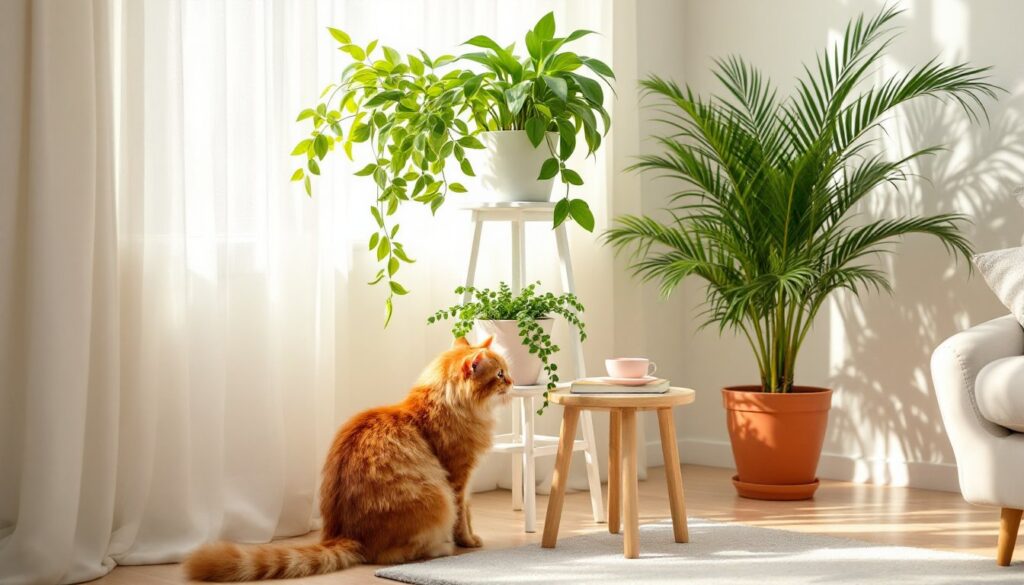
Confusing bright indirect light with direct sun. Bright indirect light is strong light that’s been diffused by a sheer curtain or bounced off a wall. Direct sun means unobstructed rays hitting the leaves. Many plants sold as “bright light” plants can’t handle true direct sun. If you’re unsure, check your plant’s origin. Desert and arid-region natives want direct sun: rainforest and temperate understory plants don’t.
Ignoring seasonal light changes. The sun’s angle shifts dramatically between summer and winter. A south-facing window that provides six hours of direct sun in June might only provide three in December. Plants may need to be moved closer to glass in winter or supplemented with grow lights to maintain health. Resources like The Spruce often include seasonal care calendars for popular houseplants.
Over-watering in winter. Growth slows in shorter days, even for sun-loving plants. Watering on a summer schedule during winter leads to root rot. Cut back watering frequency by half or more, and always check soil moisture first.
Skipping humidity adjustments. Intense sun and indoor heating create very low humidity, often below 20 percent in winter. While succulents don’t care, tropical sun lovers like hibiscus and croton suffer. Use a humidifier, pebble trays, or group plants together to raise local humidity to 40 to 60 percent.
Leaving plants in the same spot year-round. A west-facing window in August can be brutal, with temps near the glass exceeding 100°F. In contrast, that same window in January might be drafty and cold. Adjust plant positions seasonally, or use insulating window film to moderate temperature swings without blocking light.
Neglecting dust buildup. Dusty leaves can’t photosynthesize efficiently. Wipe large leaves with a damp cloth monthly, and rinse smaller plants under a gentle shower every few weeks. This is especially important for plants in high-light areas, where every bit of leaf surface counts.
Using the wrong pot material. Plastic pots retain moisture longer than terra cotta or ceramic. For succulents and cacti in direct sun, unglazed terra cotta is ideal, it wicks moisture away from roots and prevents rot. For tropicals that prefer consistent moisture, glazed ceramic or plastic works better.
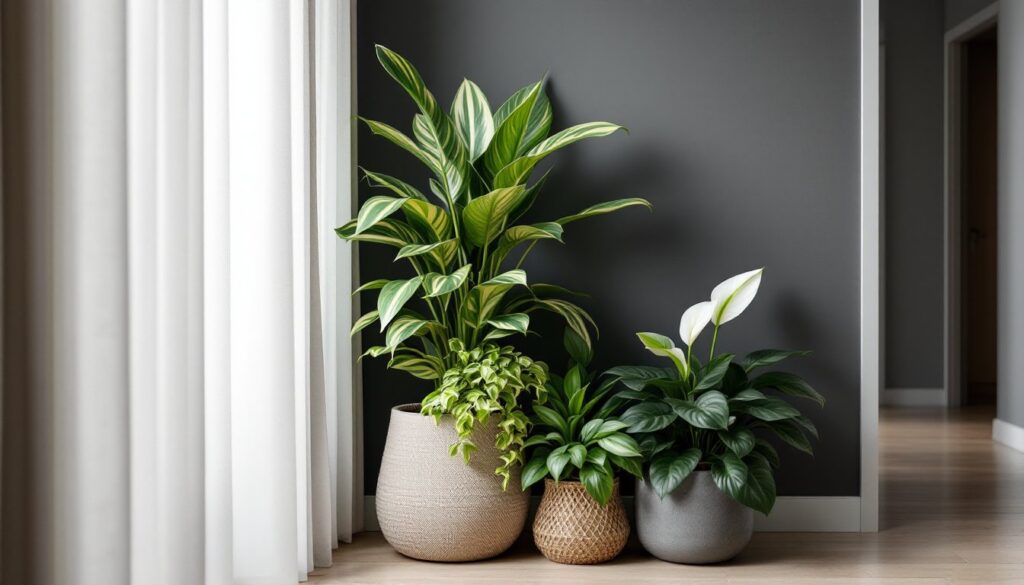
Many people also assume all common indoor house plants can handle any light level. That’s a fast way to kill a snake plant or scorch a Chinese evergreen. Matching the plant to the light is non-negotiable.
Conclusion
Direct sunlight doesn’t have to mean empty windowsills or burned foliage. With the right plant selection, whether it’s a sculptural jade, a flowering hibiscus, or a colorful croton, those bright spaces become showcases instead of problem areas. Pay attention to plant origins, adjust care seasonally, and don’t be afraid to move things around until the light and growth align. The payoff is healthier plants, richer colors, and the satisfaction of putting those sunny spots to work.