
Table of Contents
ToggleRepotting indoor plants isn’t complicated, but it’s one of those tasks that intimidates new plant owners more than it should. A root-bound monstera or a drooping pothos isn’t signaling failure, it’s just asking for more room to grow. Most houseplants need fresh soil and a larger pot every 12 to 24 months, depending on growth rate and species. The process takes about 15 minutes per plant, requires minimal tools, and dramatically improves plant health. This guide walks through the signs that a plant needs repotting, the supplies required, and the step-by-step process to get it done without damaging roots or making a mess.
Key Takeaways
- Repotting indoor plants every 12 to 24 months takes about 15 minutes and dramatically improves plant health when roots circle the pot, water drains too quickly, or growth slows.
- Choose a pot only 1–2 inches larger in diameter than the current one and always use fresh potting mix, as oversized containers and depleted soil cause root rot.
- Water your plant 24 hours before repotting, gently loosen the root ball, and for severely root-bound plants, make vertical slices down the sides to encourage outward root growth.
- After repotting, water thoroughly, place in indirect light for 7–10 days, and delay fertilizing for 4–6 weeks while the plant adjusts to fresh soil.
- Expect some wilting or leaf drop in the first week as your plant recovers, and adjust watering frequency since new soil retains more moisture than compacted soil.
When to Know Your Indoor Plant Needs Repotting
Plants don’t send calendar reminders, but they do show visible signs when they’ve outgrown their current container. Root-bound conditions are the most obvious indicator, roots circling the pot’s interior, poking through drainage holes, or forming a dense mat at the soil surface all signal it’s time to size up.
Water running straight through the pot without being absorbed suggests the root mass has displaced most of the soil. Conversely, soil that stays soggy for days might mean the root system is struggling in degraded, compacted media. Stunted growth even though adequate light and feeding, or a plant that’s become top-heavy and tips over easily, also points toward repotting.
Most fast-growing tropicals like pothos, philodendrons, and spider plants need repotting annually. Slower growers such as snake plants or ZZ plants can go two to three years. Spring and early summer are ideal times, active growth means plants recover faster from root disturbance.
Gently tip the plant to inspect the root ball. Healthy roots are white or tan and firm. If they’re mushy, blackened, or smell sour, that’s root rot, a different issue requiring trimming and fresh, well-draining soil rather than just a bigger pot.
Gathering Your Repotting Supplies
Preparation prevents mid-project scrambles and reduces mess. Lay out supplies on a drop cloth, tarp, or several layers of newspaper, potting soil gets everywhere.
Materials list:
- New pot (1–2 inches larger in diameter than the current one)
- Fresh potting mix appropriate for the plant type
- Drainage materials (optional: pebbles, broken pottery shards, or landscape fabric)
- Watering can or hose
- Trowel or large spoon
- Pruning shears or scissors (sanitized with rubbing alcohol)
- Gloves (optional but recommended for irritant sap from plants like philodendrons)
Safety note: Wear gloves and safety glasses if handling plants with irritating sap (pothos, dieffenbachia, English ivy). Work in a well-ventilated area, some potting mixes contain perlite dust that shouldn’t be inhaled.
A hand trowel works for most jobs, but a sturdy spoon from the kitchen drawer does the trick for smaller pots. If roots are severely compacted, a clean pruning saw or hori-hori knife can help loosen the root ball without tearing.
Have a bucket of water nearby for pre-moistening dry root balls or rinsing tools between plants to prevent cross-contamination of pests or disease.
Choosing the Right Pot and Soil
Pot selection directly impacts drainage and root health. Always choose containers with drainage holes, decorative cachepots without holes belong outside a functional nursery pot, not as the sole planter.
Sizing matters. Going up 1–2 inches in diameter is the sweet spot. A 6-inch pot upgrades to an 8-inch, not a 12-inch. Oversized pots hold excess moisture that roots can’t absorb, creating conditions for rot. For large floor plants like fiddle-leaf figs, a 2-inch jump is fine: smaller plants like succulents should move up just 1 inch.
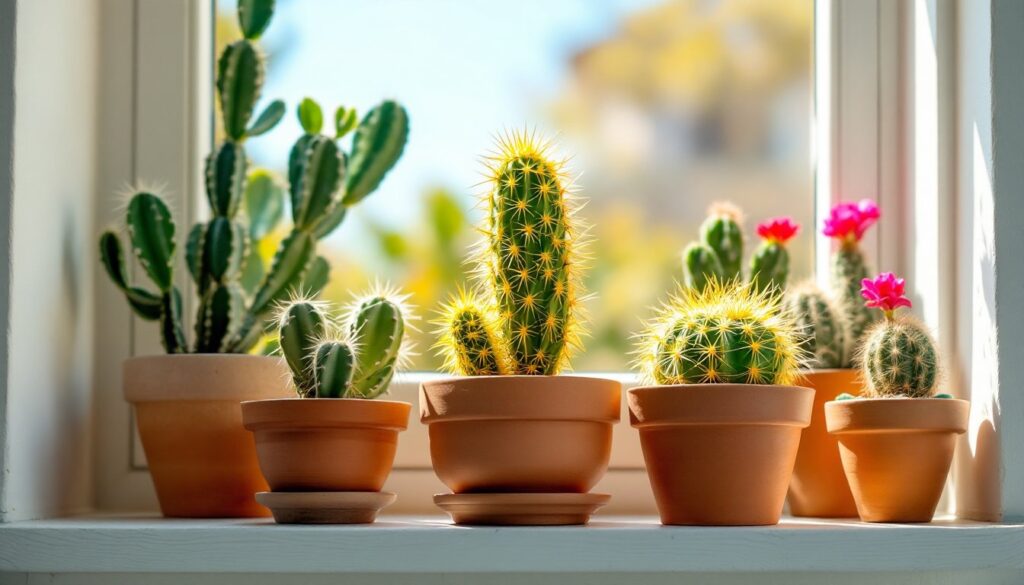
Material choice affects watering frequency. Terracotta is porous and wicks moisture away faster, great for succulents, cacti, or chronic overwaterers, but it means more frequent watering. Plastic and glazed ceramic retain moisture longer, suitable for ferns and tropicals that like consistent dampness. Heavier materials like concrete or thick ceramic provide stability for top-heavy plants.
Soil composition is equally critical. Don’t reuse old potting mix, it’s depleted of nutrients and may harbor pests. Standard potting mix works for most houseplants, but specialized blends improve results. Cacti and succulents need a gritty, fast-draining mix with added perlite or coarse sand. Orchids require bark-based media. Moisture-loving plants like calatheas thrive in mixes with added peat moss or coco coir.
Avoid using garden soil indoors, it’s too dense, doesn’t drain well in containers, and can introduce pests. Quality potting soil typically costs $8–$15 for an 8-quart bag, which handles several medium-sized repotting jobs. Reviving struggling plants often starts with upgrading to appropriate soil.
Step-by-Step Repotting Process
Removing Your Plant from Its Current Pot
Water the plant 24 hours before repotting. Moist soil holds together better than bone-dry or soggy media, and hydrated roots are more flexible and less prone to breakage.
Turn the pot on its side and gently tap the sides to loosen the root ball. For flexible plastic pots, squeeze the sides while supporting the plant’s base. If the plant won’t budge, run a butter knife or thin trowel around the inside edge to break the soil’s grip.
Grasp the plant at the base, not by the stems, and slide it out. Stubborn root balls sometimes require tilting the pot at different angles or carefully cutting away the container with pruning shears (sacrifice the pot, not the plant).
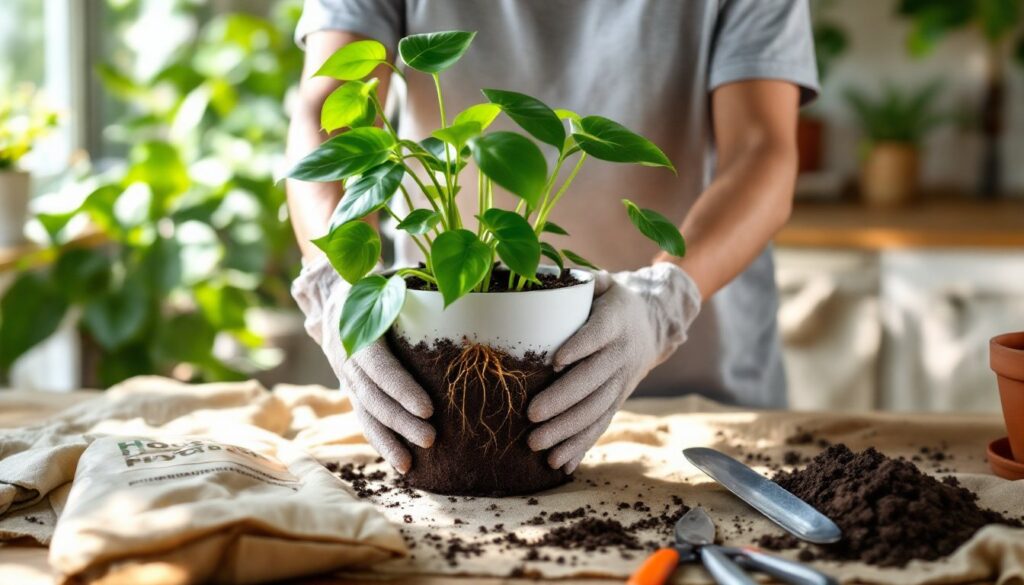
Once out, inspect the roots. Use your fingers or a chopstick to gently tease apart circling roots. Trim any that are blackened, mushy, or excessively long with sanitized pruning shears. Identifying plant varieties helps determine whether aggressive root pruning is tolerated, some species recover quickly, others don’t.
For severely root-bound plants, make three or four vertical slices (about ½ inch deep) down the sides of the root ball with a clean knife. This encourages new root growth outward rather than continuing the circular pattern. Research from The Spruce confirms that root scoring improves establishment in new containers.
Placing Your Plant in the New Pot
Add 1–2 inches of fresh potting mix to the bottom of the new pot. Don’t add gravel or rocks as a drainage layer, recent horticultural studies show this creates a perched water table that actually hinders drainage. Drainage holes alone are sufficient.
Center the plant in the new pot. The top of the root ball should sit about ½ to 1 inch below the pot rim, this leaves room for watering without overflow. Adjust the soil layer underneath to achieve the correct height.
Fill around the root ball with fresh potting mix, working it in with your fingers to eliminate air pockets. Firm the soil gently as you go, but don’t pack it down hard, roots need oxygen. Leave that ½-inch gap at the top.
For tall or top-heavy plants, add a bamboo stake or moss pole now, before watering settles the soil. Driving a stake through established roots later causes unnecessary damage.
Tap the pot on your work surface a few times to settle the soil naturally. Low-light plant varieties often have delicate root systems that benefit from extra care during this firming process.
Aftercare Tips for Newly Repotted Plants
Water thoroughly immediately after repotting. Saturate the soil until water runs freely from the drainage holes, this settles the mix around roots and eliminates air gaps. Pour off any water that collects in the saucer after 15 minutes.
Place the plant in indirect light for 7–10 days, even if it normally tolerates bright conditions. Roots need time to establish without the added stress of intense photosynthesis. For species that already prefer low light, maintain their usual spot but monitor closely.
Hold off on fertilizing for 4–6 weeks. Fresh potting soil contains enough nutrients to support initial growth. Feeding too soon can burn tender new roots. After that settling period, resume the plant’s normal fertilizing schedule.
Expect a brief adjustment period. Some wilting or leaf drop in the first week is normal, the plant’s redirecting energy to root repair. Persistent wilting suggests either overwatering, underwatering, or root damage. Adjust care accordingly, but give it two weeks before panicking.
Watering frequency changes after repotting. New soil retains more moisture than the old compacted mix, so plants typically need less frequent watering initially. Check soil moisture with your finger, water when the top 1–2 inches feel dry for most tropicals, or when nearly dry for succulents.
For plants that appreciate humidity, like fragrant varieties such as jasmine or gardenia, mist lightly or use a pebble tray during recovery. Stressed plants lose moisture faster through leaves.
If your plant was struggling before repotting due to inadequate light, now’s the time to address that. Adding supplemental grow lights can support recovery and future growth, especially for light-hungry species in dim homes.
Keep repotted plants away from heat vents, cold drafts, and high-traffic areas where they might get bumped. Stability matters during the first few weeks. Detailed techniques for nursing stressed plants back to health are covered in guides on plant recovery.
Mark your calendar or set a phone reminder to check the plant’s progress in two weeks, then again at four weeks. Healthy new growth, fresh leaves, upright posture, or resumed flowering, signals successful repotting.