
Table of Contents
ToggleHouseplants can turn a living room into a jungle or wilt into crispy sadness, and the difference usually comes down to one thing: watering. Too much and roots rot. Too little and leaves curl. There’s no universal schedule because a succulent and a fern have wildly different needs, but understanding the basics will keep most plants alive and happy. This guide breaks down how to read your plants, adjust for conditions, and avoid the guesswork that kills more greenery than any pest ever could.
Key Takeaways
- How often to water indoor plants depends on the plant’s native environment, pot material, light, temperature, and season—not a universal schedule that works for all species.
- Check soil moisture with your finger 1-2 inches down and water thoroughly until it drains from the bottom, as deep watering builds stronger root systems than shallow, frequent watering.
- Most common houseplants need watering every 5-14 days during the growing season, but frequency increases with bright light and warm temperatures and decreases significantly in winter dormancy.
- Signs of watering problems include wilting, crispy leaf tips, yellowing lower leaves, or soil pulling away from the pot—always check soil before assuming the plant is thirsty.
- Use room-temperature water in the morning, empty drainage saucers after 15-20 minutes, and group plants with similar water needs together to avoid consistently over- or underwatering.
- Pot material, soil type, and drainage holes critically affect moisture retention; terracotta dries faster than plastic, and overwatering in winter dormancy is a common mistake that kills more plants than any other factor.
Understanding Your Plant’s Watering Needs
Every houseplant evolved somewhere specific, and that origin dictates its water needs. Tropical plants like pothos and philodendrons come from humid rainforests where moisture is constant but not stagnant. They prefer evenly moist soil but hate sitting in water. Desert natives, cacti, snake plants, ZZ plants, store water in thick leaves or stems and need long dry periods between drinks. Mediterranean herbs like rosemary want soil that dries out between waterings but not bone-dry for weeks.
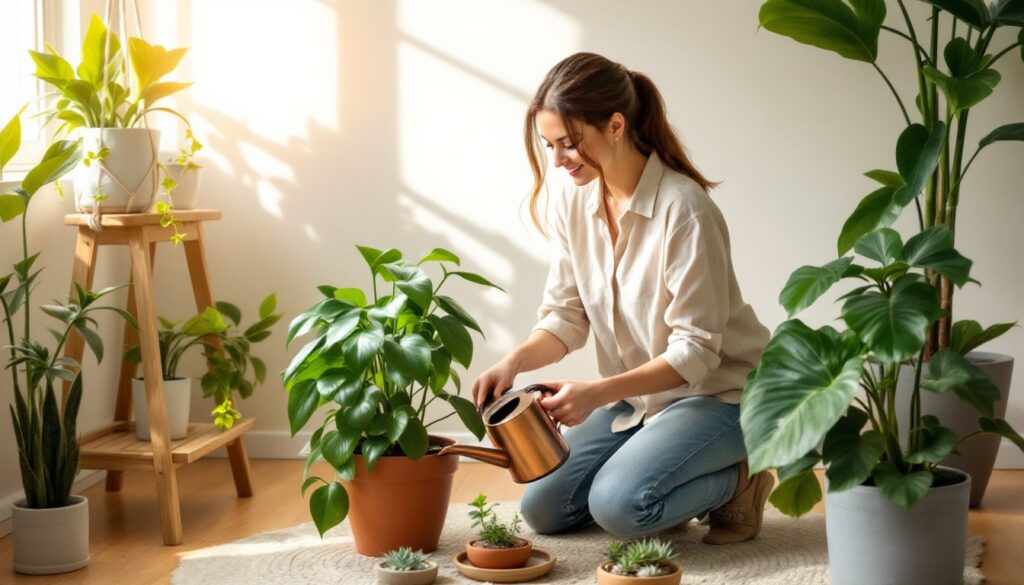
The key is matching your routine to the plant’s native environment, not the other way around. A moisture meter can help beginners, but experienced growers rely on touch and observation. Stick your finger 1-2 inches into the soil. If it feels damp, wait. If it’s dry and pulling away from the pot, water deeply until it drains out the bottom. Shallow, frequent watering encourages weak surface roots: deep, infrequent watering builds a strong root system.
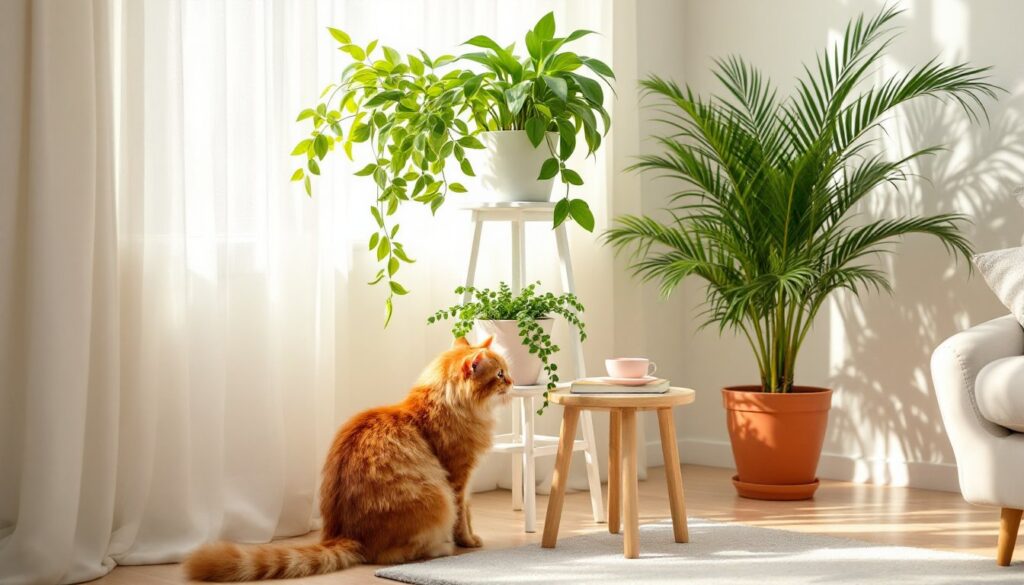
Different common indoor house plants have distinct requirements, so grouping plants with similar needs makes maintenance easier. Don’t assume all greenery wants the same treatment. A peace lily will droop dramatically when thirsty, while a rubber plant might drop leaves weeks after damage is done.
Signs Your Indoor Plants Need Water
Plants telegraph their needs if you know what to look for. Wilting or drooping leaves are the most obvious signal, but some plants, like ferns, wilt from overwatering too, so don’t assume drought first. Check the soil before reacting.
Dry, crumbly soil that pulls away from the pot edges means the root ball has shrunk and needs rehydration. When soil gets this dry, water can run straight through without soaking in. Solve this by watering slowly or setting the pot in a tray of water for 15-20 minutes to wick moisture back up.
Crispy leaf tips or edges often signal inconsistent watering or low humidity, common in homes with forced-air heating. Plant rescues often start with correcting watering habits and boosting ambient moisture with a pebble tray or humidifier.
Leaf curl on plants like calatheas or prayer plants means they’re stressed. Conversely, yellowing lower leaves can mean overwatering, roots can’t breathe, so the plant sheds foliage. If the soil smells sour or musty, root rot is likely. Pull the plant out and inspect roots: healthy ones are white or tan, rotten roots are black and slimy.
Weight is a reliable indicator. Lift the pot after a thorough watering, then again when dry. The difference is dramatic. Over time, you’ll gauge moisture by heft alone, no meter needed.
General Watering Schedules for Common Houseplants
Schedules are starting points, not commandments. Conditions vary, so adjust based on the factors below. That said, here’s a baseline for popular species:
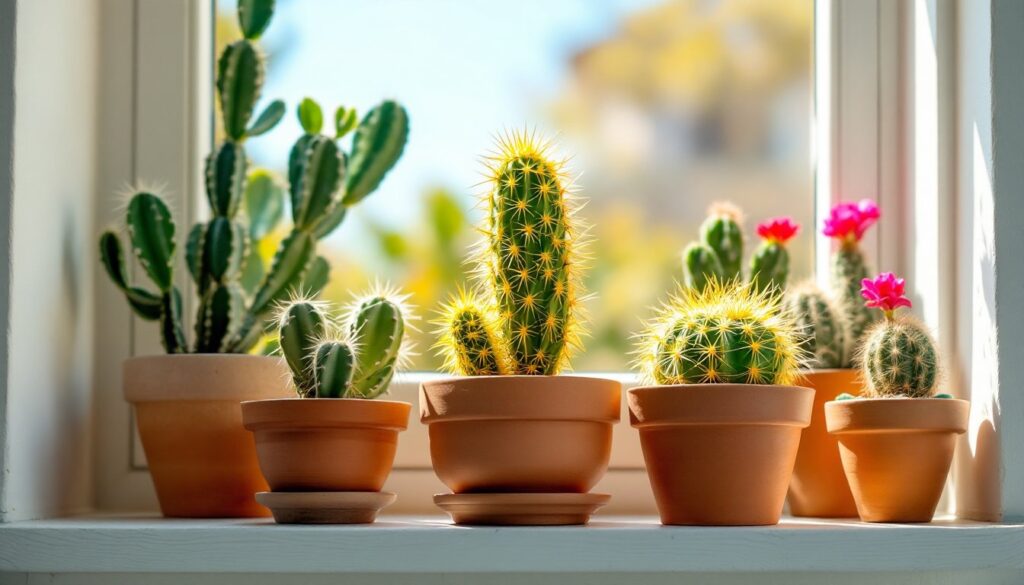
Succulents and cacti: Every 10-14 days during growing season (spring/summer), less in winter. Let soil dry completely between waterings. These plants evolved to survive months of drought, so when in doubt, skip a watering.
Snake plants (Sansevieria): Every 2-3 weeks in warm months, 4-6 weeks in winter. They’re nearly indestructible but will rot if kept wet. Err on the dry side.
Pothos, philodendrons, monstera: Every 7-10 days when soil feels dry an inch down. These are forgiving but appreciate consistency. They’ll tolerate some neglect but grow faster with regular moisture.
Ferns (Boston, maidenhair): Every 4-7 days, keeping soil lightly moist but not soggy. Ferns hate drying out completely and will drop fronds. High humidity helps reduce watering frequency.
Fiddle-leaf figs: Every 7-10 days, letting the top 2 inches dry out. Overwatering is the number one killer of fiddles. They’re dramatic about both too much and too little water.
Peace lilies: Every 5-7 days. They’ll droop when thirsty and perk up within hours of watering, a helpful visual cue. Don’t let them wilt repeatedly, though: it stresses the plant.
Spider plants: Every 7-10 days. They tolerate some drought thanks to thick roots but grow best with even moisture. Brown tips often mean fluoride in tap water, not a watering issue, switch to filtered or distilled water if this happens.
Experts at The Spruce emphasize that these schedules assume average indoor conditions, around 65-75°F and moderate light. Adjust for your home’s reality.
Factors That Affect How Often You Should Water
Cookie-cutter schedules fail because every home is different. Here’s what actually controls water use:
Season and Temperature
Plants grow actively in spring and summer, drinking more as they push out new leaves. During this period, most houseplants need watering 1.5-2x more often than in fall and winter. When growth slows or stops in cooler months, roots take up less water and soil stays wet longer. Overwatering during winter dormancy is a common mistake.
Temperature drives evaporation. A room at 75°F will dry soil faster than one at 65°F. Homes with forced-air heating create dry conditions that pull moisture from both soil and leaves. If you’re running the furnace, expect to water more often and consider supplemental humidity. Plants near heat vents or radiators dry out fastest.
Light intensity also matters. A pothos in a bright south window uses more water than one in a dim corner because photosynthesis increases water uptake. If you’re using grow lights to boost growth, you’ll water more frequently than with ambient light alone.
Pot Size and Drainage
Pot material affects moisture retention. Terracotta is porous and wicks moisture out through the walls, drying soil faster. Plastic and glazed ceramic hold water longer. A plant in terracotta might need watering twice as often as the same species in plastic.
Drainage holes are non-negotiable for most plants. Without them, water pools at the bottom, creating anaerobic conditions that rot roots. If you’re using a decorative cachepot with no drainage, either drill a hole or use it as a sleeve around a nursery pot with drainage.
Pot size relative to plant is critical. A small plant in a huge pot sits in wet soil too long, inviting rot. A root-bound plant in a too-small pot dries out in hours. The right size leaves about 1 inch of space between roots and pot wall. When roots circle the drainage holes or the plant dries out daily even though watering, it’s time to repot up one size.
Soil type is the final variable. Standard potting mix holds moisture well, while cactus/succulent blends with added sand or perlite drain fast. Heavy, compacted soil stays wet and suffocates roots. If water pools on the surface instead of soaking in, the mix has broken down and needs replacing. Fresh potting mix every 12-18 months keeps drainage optimal.
Best Practices for Watering Indoor Plants
Technique matters as much as timing. Here’s how to do it right:
Water thoroughly until it drains out the bottom. This ensures the entire root ball gets wet and flushes out salts that build up from fertilizer and tap water. Shallow watering wets the top inch but leaves lower roots dry, weakening the plant.
Use room-temperature water. Cold water shocks roots, especially on tropical plants. Fill your watering can and let it sit overnight to warm up and allow chlorine to evaporate. Distilled or filtered water is ideal for sensitive species like calatheas and prayer plants, which react poorly to fluoride and salts in tap water.
Empty the saucer after 15-20 minutes. Letting pots sit in standing water guarantees root rot. If you can’t tip large pots, use a turkey baster to suck out excess water.
Water in the morning. This gives foliage time to dry before cooler nighttime temperatures, reducing fungal and bacterial issues. Evening watering leaves plants sitting wet overnight, which invites problems.
Avoid misting as a substitute for watering. Misting increases humidity temporarily but doesn’t hydrate roots. It can also promote leaf spot diseases if done excessively. If humidity is the goal, use a pebble tray or humidifier instead.
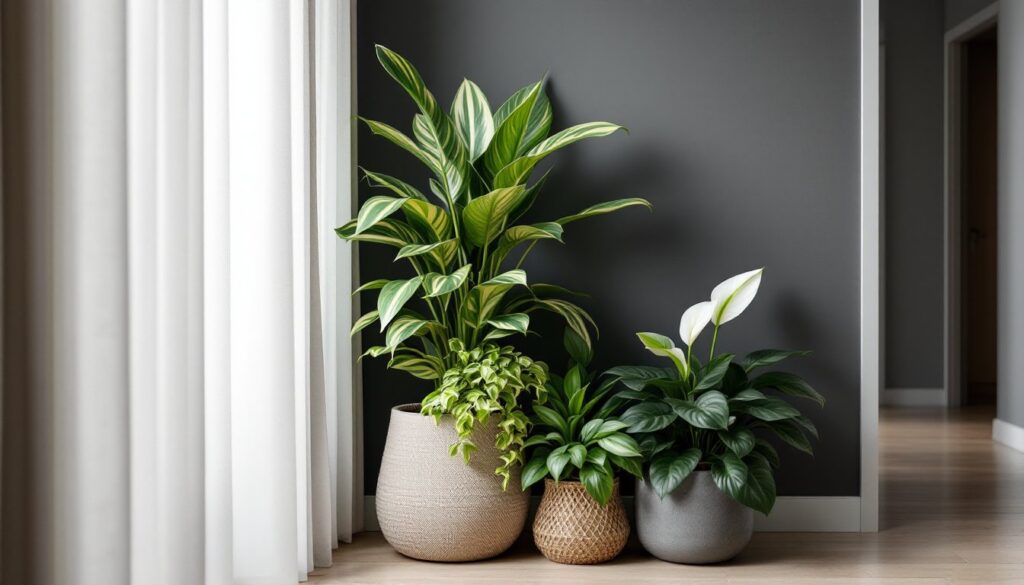
Group plants with similar needs. Keeping a succulent next to a fern means one will always be over- or underwatered. Cluster plants by moisture preference to streamline your routine.
Self-watering pots work well for consistent moisture lovers like ferns and African violets but can be disastrous for succulents. They use a reservoir and wick system to keep soil evenly moist. Refill the reservoir when empty, usually every 1-2 weeks.
If you’re dealing with neglected greenery, understanding how to identify common houseplants helps you tailor care properly. Even fragrant indoor plants like jasmine or gardenias have specific watering needs tied to their blooming cycles.
Finally, keep a simple log if you’re forgetful. Jot down watering dates on a calendar or use a plant care app. Consistency beats perfection. A plant watered on a slightly irregular schedule still fares better than one that swings between flood and drought. Most houseplants tolerate minor mistakes, but repeated extremes will eventually do them in.