
Table of Contents
ToggleHouseplants have always straddled the line between decoration and belief, between something that just looks good and something that might actually shift the energy in a room. Lucky plants fall squarely in both camps. Whether it’s a jade plant your grandmother swore brought prosperity or a money tree gifted at a housewarming, these plants carry cultural weight and real horticultural merit. They’re not magic talismans, but they do offer air purification, visual interest, and a low-stakes way to bring a bit of intentional design into your space. If you’re looking to add greenery that comes with a story, these are solid picks.
Key Takeaways
- Lucky plants for indoor spaces combine cultural symbolism with practical horticultural benefits, offering air purification and visual interest without requiring advanced care skills.
- The money tree, jade plant, and lucky bamboo are hardy, forgiving species that tolerate inconsistent watering and low humidity, making them ideal for beginner plant parents.
- Overwatering is the most common mistake with lucky plants; use the wet-dry cycle method by checking soil 2–3 inches down before watering thoroughly.
- Placement matters for both aesthetics and plant health: jade plants thrive in bright south- or west-facing windows, while lucky bamboo tolerates low-light areas like home offices or bathrooms.
- Jade plants are toxic to cats and dogs, so keep them on high shelves or choose pet-safe alternatives like spider plants if you have curious animals at home.
Why Lucky Plants Are More Than Just Superstition
Lucky plants aren’t just folklore dressed up in foliage. Many of them originate from feng shui, Vastu Shastra, or other cultural traditions that assign symbolic meaning to specific species. But beyond the symbolism, these plants tend to share practical traits: they’re hardy, forgiving, and often suited to indoor conditions where other species struggle.
Take the money tree or jade plant, both are succulents or semi-succulents that tolerate inconsistent watering and low humidity, making them ideal for beginners. They also photosynthesize efficiently in moderate light, which is more than you can say for many tropical species that demand bright, indirect sun and high moisture.
From a design perspective, lucky plants often have distinctive forms, braided trunks, coin-shaped leaves, segmented stalks, that make them visually striking without requiring a lot of styling. They work as standalone statement pieces or as part of a layered plant display. And if the placebo effect of having a “prosperity plant” on your desk keeps you watering it regularly, that’s a win for plant health either way.
For those exploring a variety of species, common indoor plants offer a broader look at beginner-friendly options that thrive indoors.
Top Lucky Indoor Plants to Grow at Home
Money Tree (Pachira Aquatica)
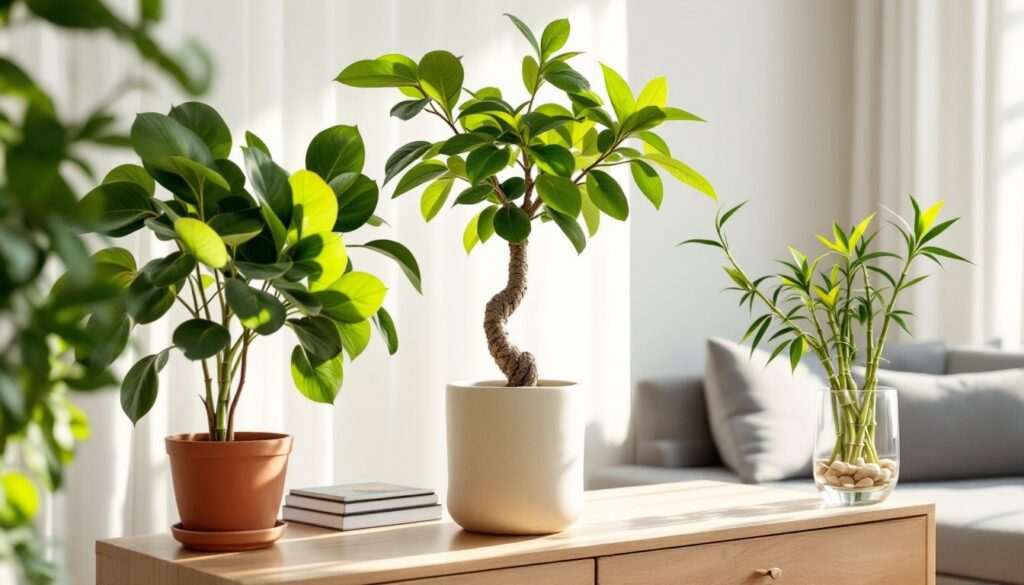
The money tree is a wetland species native to Central and South America, often sold with a braided trunk, a purely ornamental feature created by twisting young saplings together. In feng shui, it’s associated with financial luck, which is why you’ll often see it in offices, storefronts, and entryways.
Growing conditions: Money trees prefer bright, indirect light but tolerate lower light levels (growth will slow). They like consistent moisture, water when the top 2–3 inches of soil are dry. Overwatering is the most common killer: soggy roots lead to rot. Use a well-draining potting mix, ideally one formulated for tropical plants or amended with perlite.
Size and placement: Indoors, expect a mature height of 3–6 feet in a 10–14-inch pot. They work well in corners or next to furniture where their vertical form adds height without taking up floor space.
Care tip: Wipe down the broad, palmate leaves monthly to remove dust. This isn’t just cosmetic, dust blocks light absorption and can hinder photosynthesis.
Lucky Bamboo (Dracaena Sanderiana)
Lucky bamboo isn’t bamboo at all, it’s a dracaena. But the segmented stalks and upright growth mimic bamboo’s aesthetic, and in Chinese culture, it symbolizes resilience and good fortune. You’ll often find it sold in bundles with stalks arranged in spirals or tiered structures.
Growing conditions: Lucky bamboo thrives in low to moderate light and can be grown in water or soil. If growing in water, change it weekly to prevent algae and bacterial buildup. Use distilled or filtered water, tap water with high fluoride or chlorine can cause tip burn. If potting in soil, use a loose, well-draining mix and keep it lightly moist.
Size and placement: Stalks range from 6 inches to 3 feet, depending on the variety. Compact arrangements work on desks or shelves: taller stalks suit console tables or bathroom counters. Many growers find that low-light houseplants like lucky bamboo are perfect for interior rooms without windows.
Care tip: Trim yellowing leaves at the base with clean, sharp scissors. If roots outgrow a water vessel, transplant into a slightly larger container or divide the stalks.
Jade Plant (Crassula Ovata)
The jade plant is a succulent with thick, oval leaves that resemble coins, hence its association with wealth and prosperity in feng shui. It’s native to South Africa and thrives in arid conditions, making it one of the most low-maintenance houseplants you can grow.
Growing conditions: Jade plants need bright light, ideally 4+ hours of direct or bright indirect sun daily. A south- or west-facing window works well. Water deeply, then let the soil dry completely before watering again. In winter, reduce watering to once every 3–4 weeks. Use a cactus or succulent potting mix for proper drainage.
Size and placement: Mature jade plants can reach 2–3 feet indoors, though growth is slow. They’re often styled as bonsai or allowed to develop a tree-like structure over time. Place them on windowsills, plant stands, or anywhere you need a compact, sculptural accent.
Care tip: Jade plants are sensitive to overwatering. If leaves start to wrinkle or drop, check soil moisture, both underwatering and overwatering cause similar symptoms, so feel the soil before adjusting. According to Better Homes & Gardens, jade plants are among the top choices for their low care requirements and cultural symbolism.
Where to Place Lucky Plants for Maximum Impact
Placement matters, not just for aesthetics, but for plant health and, if you’re leaning into tradition, for maximizing whatever symbolic benefit you’re after.
Entryways and living rooms: In feng shui, the money tree is often placed near the entrance to invite prosperity. From a design standpoint, entryways benefit from vertical plants that don’t obstruct traffic flow. Living rooms with moderate to bright light are ideal for jade plants, which develop richer color with more sun exposure.
Offices and workspaces: Lucky bamboo is a popular desk plant due to its compact size and tolerance for artificial light. Pair it with a simple ceramic or glass container for a clean, minimal look. If you’re working in a home office with limited natural light, consider supplementing with grow lights to maintain healthy growth.
Kitchens and bathrooms: These rooms often have higher humidity, which benefits tropical species like the money tree. Bathrooms with windows are particularly good for lucky bamboo grown in water, as the ambient moisture reduces the need for frequent watering.
Bedrooms: Jade plants can work in bedrooms with bright windows, though keep in mind that succulents perform CAM photosynthesis, they release oxygen at night, which some believe improves sleep quality (though the effect is marginal in practical terms).
Avoid: Placing any of these plants in low-ventilation areas where humidity and temperature fluctuate wildly (like near heating vents or exterior doors in cold climates). Sudden temperature swings stress plants and increase susceptibility to pests and disease. Designers on Hunker often recommend placing statement plants like these in zones where they serve as focal points without competing with other decor.
Caring for Your Lucky Indoor Plants
Watering: The number-one mistake with lucky plants is overwatering. Most of these species prefer a wet-dry cycle. Use your finger to check soil moisture 2–3 inches down. If it’s dry, water thoroughly until it drains from the bottom. For lucky bamboo in water, top off weekly and change completely every 7–10 days.
Soil and potting: Use a well-draining potting mix. For jade plants and money trees, a blend formulated for cacti/succulents works well, usually a mix of peat, perlite, and sand. Avoid garden soil, which compacts and retains too much moisture indoors. Ensure pots have drainage holes: sitting water leads to root rot.
Light requirements: Most lucky plants tolerate a range of light conditions, but “tolerate” doesn’t mean “thrive.” Jade plants need bright light to maintain compact growth and prevent etiolation (stretching). Money trees do best in bright, indirect light. Lucky bamboo is the most adaptable, handling low light but growing faster with moderate exposure. If you’re working with dim interiors, houseplant care guides often recommend rotating plants weekly to ensure even light distribution.
Fertilizing: Feed sparingly. Use a balanced, water-soluble fertilizer (e.g., 10-10-10 or 5-5-5) diluted to half strength. Apply once a month during spring and summer, and skip fertilizing in fall and winter when growth slows. Over-fertilizing causes salt buildup in soil, which can burn roots.
Pruning and maintenance: Remove dead or yellowing leaves promptly to prevent pest issues and improve airflow. For money trees, prune back leggy growth in early spring to encourage bushier form. Jade plants benefit from occasional pinching to promote branching.
Pest management: Watch for mealybugs, spider mites, and scale, common pests on indoor plants. Inspect leaf axils and undersides monthly. If you spot pests, isolate the plant and treat with insecticidal soap or neem oil. Wipe leaves with a damp cloth to remove residue.
Repotting: Lucky plants are slow growers and don’t need frequent repotting. Jade plants can stay in the same pot for 2–3 years: money trees, 2–4 years. Repot when roots circle the drainage holes or growth stalls. Go up only one pot size (2 inches in diameter) to avoid excess soil that stays wet.
Humidity and temperature: Most lucky plants tolerate average household humidity (40–60%). Money trees appreciate occasional misting in dry winter air, but it’s not essential. Keep temperatures between 60–75°F. Avoid placing plants near drafts, radiators, or AC vents. For more advanced growers interested in expanding their indoor collection, specialty houseplants offer unique challenges and rewards.
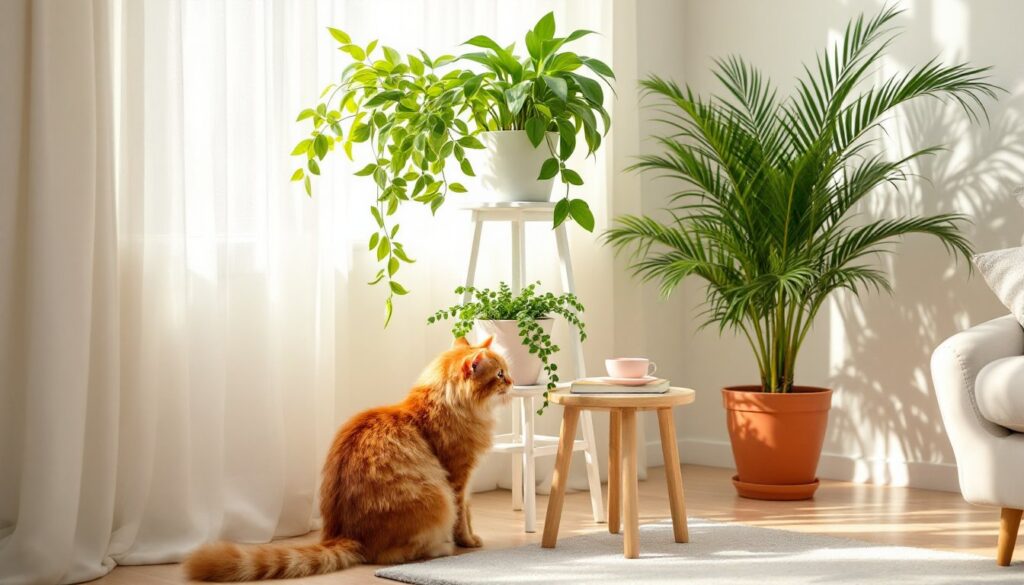
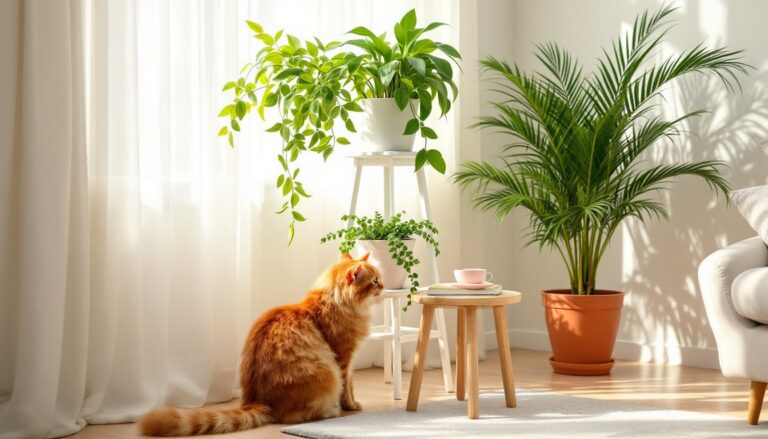
Safety note: Jade plants are toxic to pets (cats and dogs). If you have curious animals, place jade on high shelves or opt for pet-safe alternatives like spider plants or Boston ferns. Money trees and lucky bamboo are generally considered non-toxic, but it’s always smart to keep plants out of reach and monitor for chewing. For tips on displaying houseplants safely and attractively, resources on The Spruce cover both design and pet-friendly plant placement.