
Table of Contents
ToggleIndoor floor plants anchor a room like nothing else. While tabletop succulents and hanging pothos have their place, a tall fiddle-leaf fig or bushy monstera commands attention and transforms a corner from dead space into a focal point. These statement plants don’t just look good, they improve air quality, soften acoustics, and fill vertical space that would otherwise stay empty. Whether you’re working with a sun-drenched living room or a dim hallway, there’s a floor plant that’ll thrive there. This guide walks through selecting the right varieties for your light conditions, matching plants to your space, keeping them healthy, and styling them so they look intentional, not like afterthoughts.
Key Takeaways
- Indoor floor plants anchor rooms by improving air quality, reducing echo, and creating visual balance—transforming empty corners into design focal points.
- Choose low-light floor plants like snake plants and ZZ plants for dim spaces, or bright-light varieties like fiddle-leaf figs and monsteras for sun-drenched rooms.
- Measure your space accurately and assess light conditions honestly using a light meter before selecting an indoor floor plant to ensure long-term success.
- Establish a straightforward care routine: water when soil is dry 2 inches down, ensure drainage, rotate for even growth, and dust leaves regularly.
- Style floor plants strategically by flanking entryways, anchoring corners, and layering with smaller plants to create intentional, cohesive interior design.
Why Indoor Floor Plants Are Essential for Modern Home Design
Floor plants do more than fill corners, they serve functional and aesthetic purposes that smaller plants can’t match.
Scale and proportion matter. In rooms with standard 8- to 10-foot ceilings, a 4- to 6-foot plant balances the vertical space and draws the eye upward. This creates visual interest in areas that would otherwise feel flat or empty, especially in open-concept layouts where defining zones is critical.
Air quality improvement is measurable. Larger plants have more leaf surface area, which means more efficient air filtration. A mature snake plant or rubber tree can process volatile organic compounds (VOCs) like formaldehyde and benzene more effectively than a handful of 4-inch starter plants.
Acoustic benefits. Hard surfaces, hardwood floors, drywall, glass, reflect sound. Plants absorb and diffract sound waves. Place a few floor plants strategically, and you’ll notice reduced echo in high-traffic areas.
They ground a room’s design. In interior design, “grounding” refers to elements that anchor the space and prevent it from feeling top-heavy or cluttered. A well-placed floor plant provides weight at the base of a room, balancing wall art, shelving, or ceiling fixtures.
Finally, floor plants establish a connection to nature without requiring a yard. For apartment dwellers or those in urban settings, they’re the closest thing to bringing the outdoors inside, and they require far less maintenance than outdoor landscaping.
Best Indoor Floor Plants for Different Light Conditions
Light is the single most important factor in plant selection. Get this wrong, and even the toughest varieties will struggle.
Low-Light Floor Plants That Thrive in Dim Corners
Snake Plant (Sansevieria trifasciata) tolerates neglect and low light better than almost any other indoor plant. Varieties like ‘Laurentii’ or ‘Black Gold’ can reach 3 to 4 feet tall in a 10- or 12-inch pot. They’re drought-tolerant and handle irregular watering schedules.
ZZ Plant (Zamioculcas zamiifolia) has thick, waxy leaves that store water, making it nearly indestructible. It grows slowly but steadily, reaching 2 to 3 feet indoors. Place it in a north-facing room or hallway with minimal natural light, it’ll still thrive.
Dracaena marginata (Dragon Tree) works in corners where you need height but don’t have much light. Its slender, spiky leaves grow on woody stems that can reach 6 feet or more. It’s also one of the best common indoor house plants for filtering airborne toxins.
Parlor Palm (Chamaedorea elegans) is a compact palm that reaches 3 to 4 feet indoors and prefers indirect light. It tolerates low humidity better than most palms, making it suitable for homes without supplemental moisture.
Cast Iron Plant (Aspidistra elatior) earns its name, it withstands low light, temperature fluctuations, and inconsistent watering. It grows slowly to about 2 feet and works well in entryways or basement spaces where other plants fail.
Bright-Light Floor Plants for Sunny Spots
Fiddle-Leaf Fig (Ficus lyrata) is the go-to statement plant for bright, indirect light. It needs a spot within 3 to 5 feet of a south- or west-facing window. Expect it to reach 6 feet or more indoors, though it’ll need regular pruning to maintain shape.
Bird of Paradise (Strelitzia reginae) demands bright light and rewards you with large, paddle-shaped leaves that can span 18 inches. It needs at least 4 to 6 hours of indirect sunlight daily and performs best in rooms with high ceilings.
Rubber Plant (Ficus elastica) handles bright, indirect light and grows quickly, often adding 12 to 24 inches per year. Varieties like ‘Burgundy’ or ‘Tineke’ offer variegated foliage that adds color contrast.
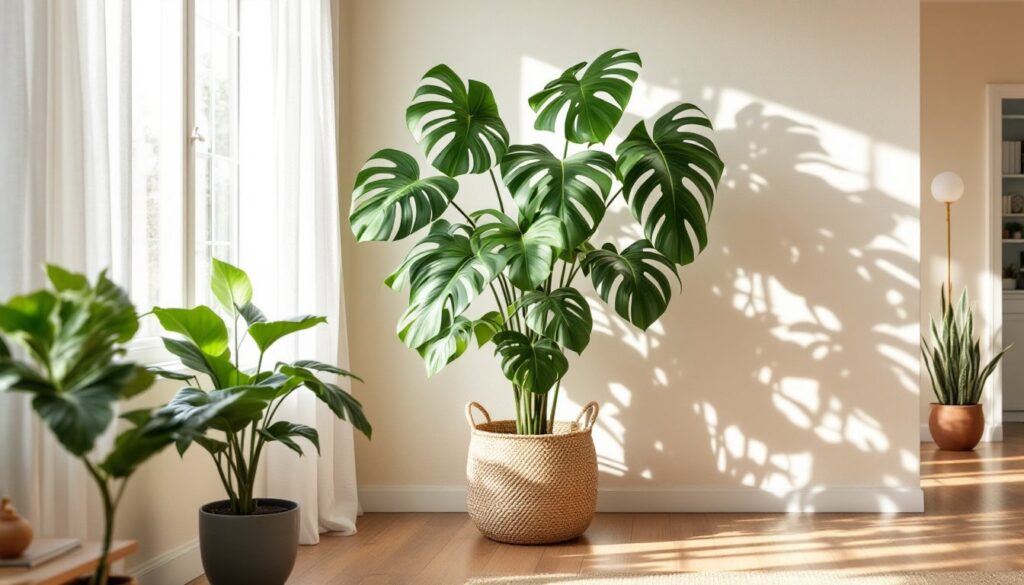
Monstera deliciosa (Swiss Cheese Plant) thrives in bright, indirect light and develops its signature split leaves once mature. It can climb or sprawl, so use a moss pole or trellis if vertical growth is preferred. Many tropical big leaf house plants like this one need room to spread, so plan for at least 3 to 4 feet of floor space.
Areca Palm (Dypsis lutescens) prefers bright, filtered light and adds a tropical feel to sunrooms or living areas with large windows. It can reach 6 to 7 feet indoors and requires consistent moisture.
How to Choose the Right Floor Plant for Your Space
Matching a plant to your space involves more than aesthetics, it’s about measuring, planning for growth, and understanding your habits.
Measure your space first. Floor plants need clearance. A mature fiddle-leaf fig or bird of paradise can spread 3 feet wide. Measure the floor area and account for foot traffic, door swings, and furniture placement. If the plant blocks a pathway or forces people to squeeze by, it’s too large for that spot.
Assess light honestly. Use a light meter or a smartphone app to measure foot-candles in the area where you plan to place the plant. Low light is typically 50 to 150 foot-candles: medium light is 150 to 500: bright, indirect light is 500 to 1,000. Don’t guess, plants won’t forgive optimistic assumptions.
Consider pot size and weight. A 10-inch pot filled with soil can weigh 20 to 30 pounds: a 14-inch pot can weigh 50 pounds or more. If you’re placing a plant on a second floor or in a rental, confirm the floor can handle the load. Use a plant caddy with wheels if you anticipate moving it for cleaning or seasonal adjustments.
Match growth rate to commitment level. Fast-growing plants like pothos or monstera need regular pruning. Slow growers like ZZ plants or snake plants require less intervention. If you travel frequently or prefer low-maintenance greenery, stick with varieties that tolerate neglect.
Plan for mature size. A 2-foot plant in a nursery pot might reach 6 feet in two years. Read the care tag or research the species’ mature dimensions. Repotting is inevitable, but choosing a plant that fits your space long-term saves hassle.
Think about pets and kids. Many popular floor plants, pothos, philodendron, dieffenbachia, are toxic if ingested. If you have curious pets or young children, opt for non-toxic varieties like spider plants, Boston ferns, or areca palms.
Caring for Your Indoor Floor Plants: Essential Maintenance Tips
Floor plants require consistent care, but the routine is straightforward once you establish it.
Watering schedules vary by species. Most floor plants prefer soil that dries out slightly between waterings. Stick your finger 2 inches into the soil, if it’s dry, water thoroughly until it drains from the bottom. For house plants in low light, watering every 10 to 14 days is common: bright-light plants may need water weekly.
Drainage is non-negotiable. Use pots with drainage holes and a saucer underneath. Sitting in water causes root rot, which is nearly impossible to reverse. If you prefer a decorative pot without drainage, use it as a cachepot and place the nursery pot inside.
Fertilize during the growing season. From spring through early fall, apply a balanced, water-soluble fertilizer (such as 10-10-10 or 20-20-20) at half strength every 4 to 6 weeks. Reduce or stop fertilizing in winter when growth slows.
Dust the leaves regularly. Dust blocks light and reduces photosynthesis. Wipe large leaves with a damp cloth every few weeks. For plants with smaller leaves, rinse them in the shower or outdoors with a gentle spray.
Rotate for even growth. Plants grow toward the light source. Rotate your floor plant a quarter turn every week or two to prevent lopsided growth.
Watch for pests. Spider mites, mealybugs, and scale insects are common indoor pests. Inspect the undersides of leaves monthly. If you spot pests, isolate the plant immediately and treat with insecticidal soap or neem oil.
Repot when root-bound. If roots circle the pot’s interior or poke through drainage holes, it’s time to repot. Move up to a pot 2 inches larger in diameter, and refresh the soil with a quality potting mix designed for indoor plants.
Acclimate new plants slowly. Plants shipped from nurseries or bought from big-box stores experience stress. Gradually introduce them to their permanent spot over a week or two, adjusting light and humidity incrementally.
If you’re working with plants in particularly dim areas, consider supplementing with grow lights for house plants to ensure they receive adequate energy for photosynthesis.
Creative Styling Ideas for Floor Plants in Every Room
Placement and styling turn a floor plant from a houseplant into a design element.
Use height to define zones. In open-concept spaces, a tall floor plant placed between the living and dining areas creates a visual boundary without blocking sightlines. A 5- to 6-foot bird of paradise or rubber plant works well here.
Anchor empty corners. Corners often feel neglected, especially in rooms with angled walls or irregular layouts. A floor plant fills the void and softens hard edges. Pair it with a floor lamp or small side table to create a mini vignette.
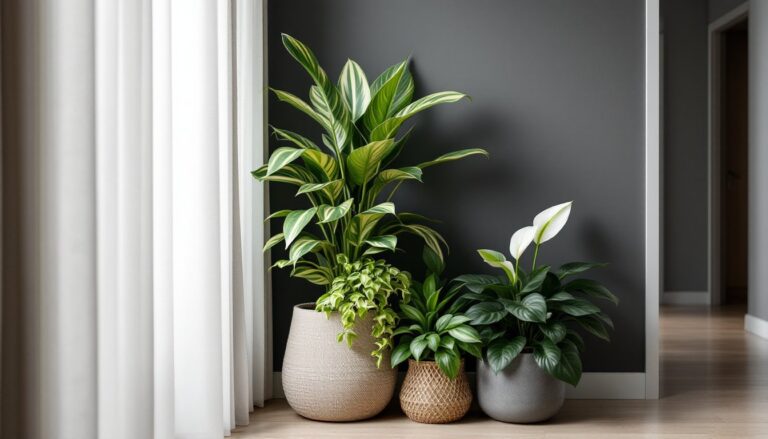
Flank entryways or furniture. Symmetry is powerful in design. Place matching floor plants on either side of a sofa, console table, or doorway for a polished, intentional look. This works especially well with identical planters.
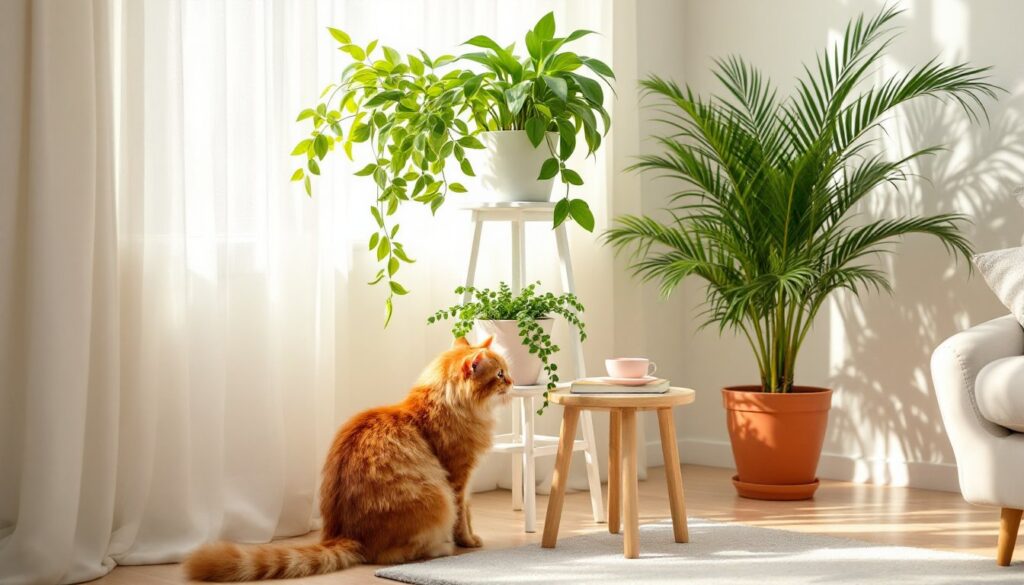
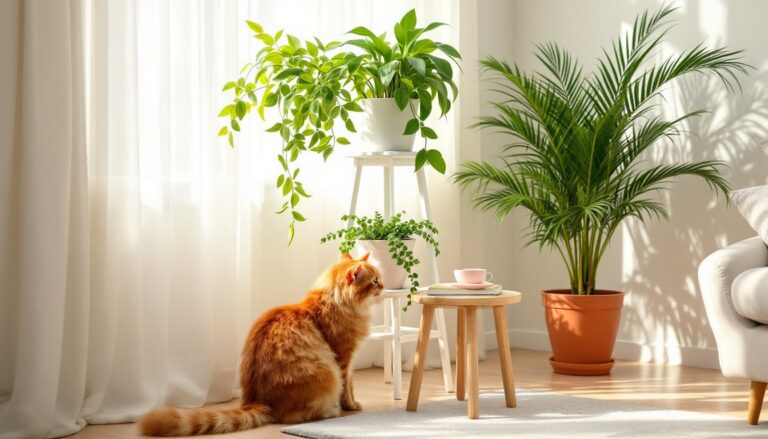
Layer plants for depth. Combine a tall floor plant with smaller tabletop varieties at different heights. A monstera on the floor next to a trailing pothos on a plant stand creates visual interest and texture. This layering approach mimics natural growth patterns and feels less staged.
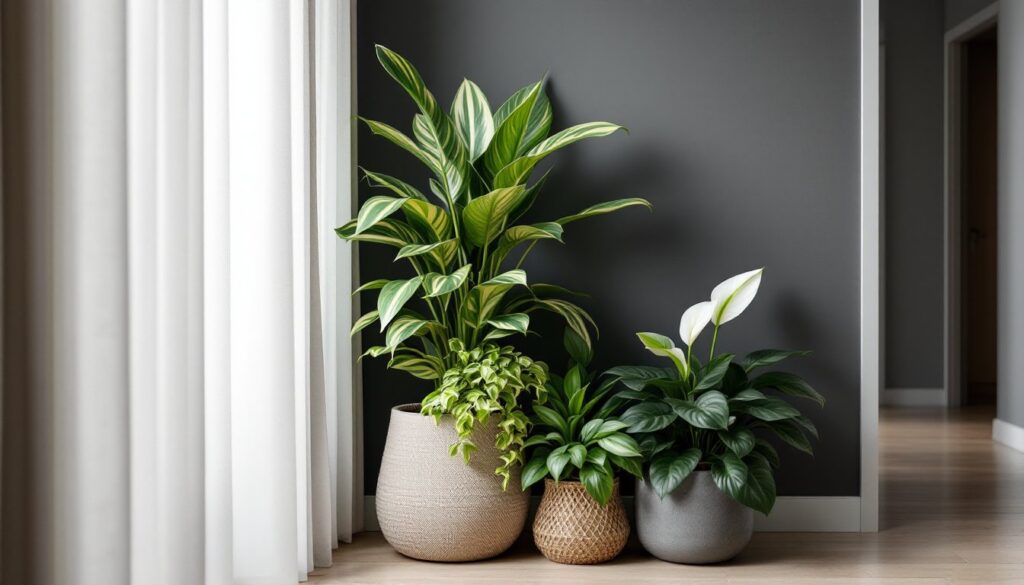
Match planters to your style. Woven baskets add warmth and texture: ceramic pots in matte finishes suit modern interiors: terracotta brings a rustic, Mediterranean vibe. Choose planters that complement your room’s color palette and materials. According to home design experts, matching planter style to overall decor ensures cohesion.
Use plants to soften hard materials. In kitchens with stainless steel appliances or bathrooms with tile and glass, a floor plant introduces organic shapes and softens the space. A snake plant or dracaena works well in these high-traffic areas.
Create a focal point in bedrooms. A tall, lush plant in the corner of a bedroom draws attention and adds a calming, biophilic element. Low-light varieties like ZZ plants or snake plants are ideal if your bedroom doesn’t get much sun.
Add plants to awkward spaces. Hallways, staircase landings, and alcoves often go underutilized. A narrow, upright plant like a snake plant or bamboo palm fits in tight spots and makes the area feel purposeful.
Pair with natural materials. Wood furniture, jute rugs, and linen textiles complement greenery. The combination enhances the organic, relaxed feel that floor plants naturally provide.
For more ideas on incorporating greenery throughout your home, interior design resources offer seasonal styling tips and layout inspiration.
Floor plants don’t require a design degree to get right, just attention to scale, light, and a willingness to experiment. Start with one or two well-chosen varieties, observe how they respond to your space, and adjust from there. With the right care and placement, they’ll become the anchors your rooms have been missing.