
Table of Contents
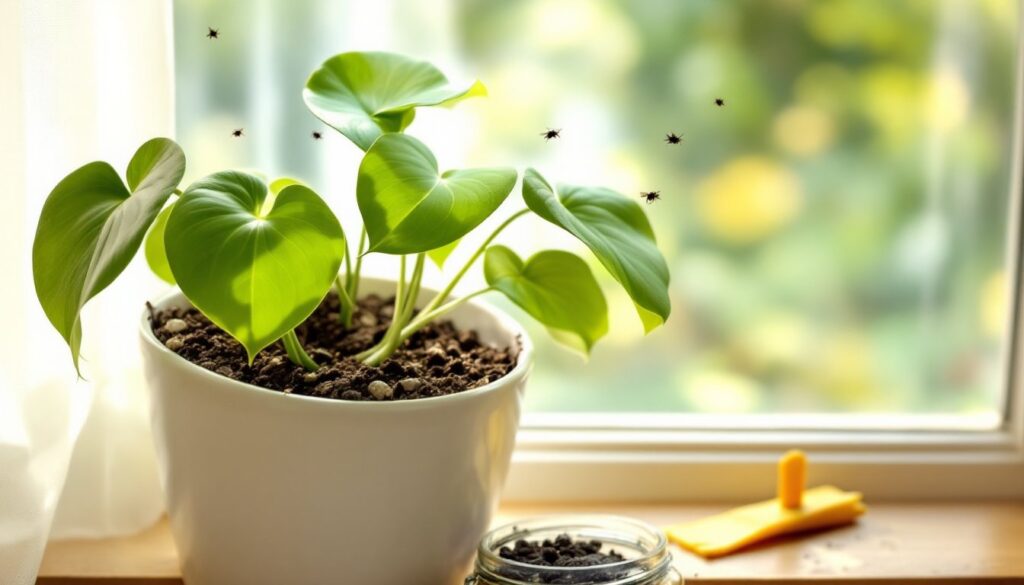
ToggleTiny black specks hovering around your pothos or fiddle leaf fig aren’t just annoying, they’re fungus gnats, and they’re thriving in the moist soil of your indoor plants. These pests lay eggs in damp potting mix, and their larvae feed on organic matter and plant roots, potentially stunting growth if populations explode. Unlike fruit flies, which are drawn to overripe produce, fungus gnats need consistently wet soil to complete their lifecycle. The good news? Getting rid of them doesn’t require expensive pesticides or throwing out beloved plants. With a combination of immediate action and preventive maintenance, homeowners can eliminate gnats and keep them from coming back.
Key Takeaways
- Fungus gnats thrive in consistently moist soil, so the most effective way to get rid of gnats from house plants is to let the top 2–3 inches of soil dry out completely, which kills larvae within a week.
- Apple cider vinegar traps with dish soap are a reliable DIY solution that works well for light to moderate infestations, with results visible within hours.
- Top-dressing soil with sand or food-grade diatomaceous earth creates a physical barrier that prevents adult gnats from laying eggs and stops emerging adults from escaping.
- Prevent gnats from returning by watering only when the top 1–2 inches of soil feel dry, improving drainage with proper pots, and isolating new plants for 2–3 weeks before adding them to your collection.
- Bti (Bacillus thuringiensis israelensis) is a natural, non-toxic soil bacterium that kills gnat larvae when applied every 5–7 days for three weeks, making it ideal for managing infestations in multi-plant environments.
Why Gnats Are Attracted to Your House Plants
Fungus gnats (primarily from the families Sciaridae and Mycetophilidae) are drawn to indoor plants for one reason: moisture. Overwatered soil creates the perfect breeding ground. Adult gnats lay up to 300 eggs in the top two inches of potting mix, where organic matter is breaking down. Within four to six days, larvae hatch and begin feeding on fungi, algae, and sometimes tender root hairs.
Here’s what makes your plants attractive:
- Overwatering: Soil that stays wet for days provides ideal conditions. Most houseplants prefer the top inch or two to dry out between waterings, but excessive moisture keeps larvae alive.
- Organic potting mixes: Blends with peat moss, coconut coir, or composted bark hold more water and contain the organic matter gnats feed on.
- Poor drainage: Containers without drainage holes or saucers that collect standing water compound the problem.
- New plants or soil: Bringing home a plant from a nursery or using bagged potting mix can introduce eggs or larvae into your home.
Gnats themselves don’t cause major plant damage, most harm comes from larval feeding on roots when populations surge. But, they’re a nuisance, and heavy infestations can weaken seedlings or stressed plants. The key to controlling them is disrupting their lifecycle, which takes about three to four weeks from egg to adult.
Immediate Steps to Eliminate Gnats from Indoor Plants
When gnats are already swarming, quick intervention breaks their reproductive cycle. These steps target both adults and larvae.
-
Let the soil dry out. The most effective first move is to withhold water. Allow the top 2–3 inches of soil to dry completely before watering again. Larvae can’t survive in dry conditions, and this alone will kill most of the population within a week. Use a moisture meter or stick your finger into the soil to check, don’t rely on a watering schedule.
-
Remove standing water. Empty saucers and trays under pots immediately. Standing water is a gnat magnet and keeps soil saturated longer than necessary.
-
Top-dress with sand or grit. Spread a ½-inch layer of horticultural sand, fine gravel, or diatomaceous earth (food-grade) over the soil surface. This physical barrier prevents adult gnats from laying eggs and makes it harder for emerging adults to escape. Sand also dries quickly, further discouraging egg-laying.
-
Vacuum or swat adult gnats. Use a handheld vacuum to remove visible adults around plants and windows. This won’t solve the root problem, but it reduces the breeding population and immediate annoyance.
-
Isolate infested plants. If one plant has a severe infestation, move it away from others to prevent gnats from spreading. Check all nearby common indoor house plants for signs of larvae or adults.
Safety note: When handling diatomaceous earth, wear a dust mask. The fine particles can irritate lungs if inhaled, even though the product is non-toxic to humans and pets.
These steps should show results within 5–7 days. If gnats persist, the larvae are likely deeper in the root zone or the soil is staying too wet.
Natural Remedies and DIY Solutions
Once you’ve addressed watering habits, homemade traps and treatments can knock out remaining gnats without chemicals.
Apple Cider Vinegar Traps
This is the most reliable DIY trap for adult fungus gnats. The vinegar’s fermentation scent mimics decaying organic matter, drawing gnats in.
Materials:
- Small jar or bowl
- Apple cider vinegar (about ¼ cup per trap)
- 2–3 drops of liquid dish soap
- Plastic wrap and rubber band (optional)
Instructions:
- Pour vinegar into the container.
- Add dish soap and stir gently. The soap breaks the surface tension, so gnats sink and drown instead of landing and flying away.
- For extra effectiveness, cover the container with plastic wrap, poke 8–10 small holes with a toothpick, and secure with a rubber band. This funnels gnats in and makes escape harder.
- Place traps near affected plants. Replace every 2–3 days or when the liquid gets cloudy.
You’ll see drowned gnats within hours. According to The Spruce, this method works well for light to moderate infestations but should be combined with soil treatments for heavy populations.
Sticky Traps and Physical Barriers
Yellow sticky traps are another proven option. Fungus gnats are attracted to the color yellow (it mimics the hue of stressed or senescing leaves). These traps catch adults but don’t address larvae.
Setup:
- Place dual-sided sticky traps on skewers or stakes inserted into the soil, or hang them just above the plant canopy.
- Position traps 1–2 inches above the soil surface for maximum contact with emerging adults.
- Replace when the surface is covered or loses stickiness, usually every 1–2 weeks.
For a more aggressive approach, use Bacillus thuringiensis israelensis (Bti), a naturally occurring soil bacterium that kills gnat larvae but is harmless to plants, pets, and humans. It’s sold as Mosquito Bits or Gnatrol.
Application:
- Sprinkle 1 tablespoon of Mosquito Bits per gallon of water and let it steep for 20–30 minutes.
- Water plants with the solution, focusing on the soil surface.
- Repeat every 5–7 days for three weeks to break the lifecycle.
Bti works by releasing toxins that disrupt larval gut function. It’s especially useful for managing houseplant pests in environments where multiple species of plants are grown together, like tropical big leaf varieties that require more consistent moisture.
Alternative: A hydrogen peroxide soil drench (1 part 3% hydrogen peroxide to 4 parts water) kills larvae on contact. Pour it over the soil until it drains from the bottom, then allow the soil to dry before watering normally. The peroxide fizzes as it breaks down organic matter and larvae, then degrades into water and oxygen, safe for plants in proper dilution.
Long-Term Prevention Strategies
Once gnats are gone, a few habit adjustments will keep them from returning.
Water correctly. This is the single most important factor. For most houseplants, water only when the top 1–2 inches of soil feel dry to the touch. Larger plants in containers 10 inches or deeper may need the top 2–3 inches to dry. Moisture meters help, but they can give false readings in dense or compacted soil, manual checking is more reliable.
Improve drainage. Use pots with drainage holes and a saucer to catch runoff. If a decorative pot lacks holes, use it as a cachepot (an outer sleeve) and keep the plant in a nursery pot inside. After watering, dump any standing water from the saucer within 15–20 minutes.
Choose the right potting mix. Well-draining mixes dry faster and discourage gnats. For plants that don’t need constant moisture, amend standard potting soil with perlite or coarse sand (about 20–30% by volume). Avoid mixes heavy in peat or compost unless you’re growing moisture-loving species, and even then, top-dress with sand.
Quarantine new plants. Before adding a new plant to your collection, isolate it for 2–3 weeks and monitor for gnats or other pests. Inspect the soil surface and check for flying adults. If gnats appear, treat the plant before introducing it to others.
Sterilize used pots and tools. Wash containers with hot, soapy water and rinse with a 10% bleach solution (1 part bleach to 9 parts water) before reusing. This kills lingering eggs or larvae. Let pots air-dry completely.
Monitor regularly. Stick a yellow sticky trap in one or two house plants nearby as an early warning system. If you catch adults before populations explode, a quick soil dry-out is usually enough.
Better Homes & Gardens recommends bottom-watering for certain plants to keep the soil surface drier. Place the pot in a tray of water and let the soil absorb moisture from the drainage holes for 10–15 minutes, then remove. This keeps the top layer less hospitable to egg-laying gnats while still hydrating roots.
Repot when necessary. Old, broken-down potting mix holds more water and harbors organic debris. If a plant has been in the same soil for over 18–24 months, consider repotting with fresh mix. Shake off old soil, trim any mushy or damaged roots, and replant in a clean container.
These practices align with good general plant care and will also reduce the risk of other moisture-related issues like root rot and fungal disease. For guidance on identifying common houseplants and their specific watering needs, matching care to species prevents overwatering mistakes that invite gnats in the first place.
Conclusion
Fungus gnats are a solvable problem. By drying out soil, using traps, and adjusting watering habits, homeowners can eliminate infestations without harsh chemicals or expensive interventions. The lifecycle is short, so consistent action over three to four weeks will break the pattern. Prevention comes down to proper watering and drainage, practices that also keep plants healthier overall. With these strategies in place, those annoying black specks will be gone for good.