
Table of Contents
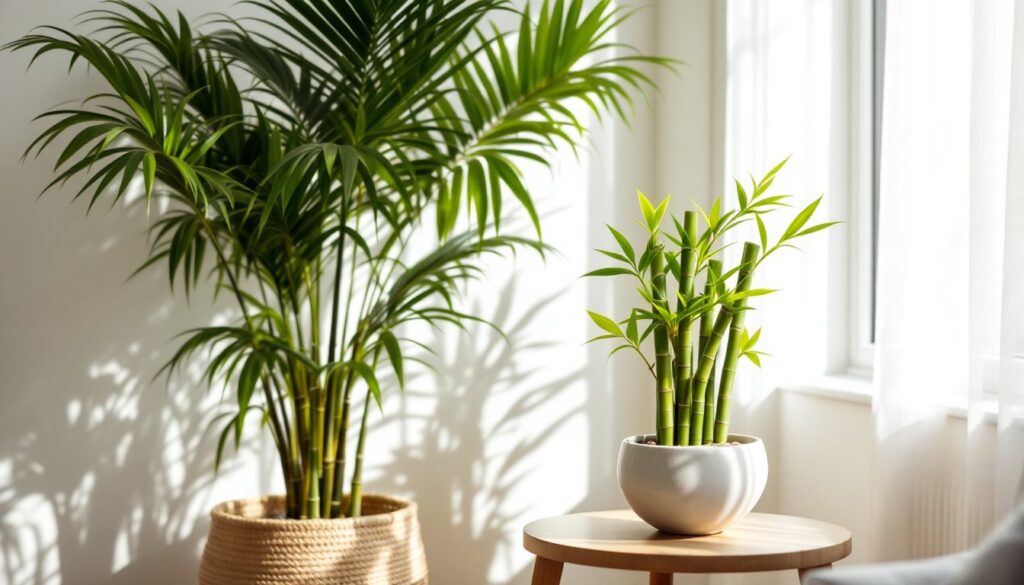
ToggleBamboo plants have carved out a solid niche in the world of indoor greenery, and for good reason. Whether it’s the spiral stalks of lucky bamboo on a kitchen counter or the feathery fronds of a bamboo palm in the corner of a living room, these plants bring a clean, architectural look to any space. They’re forgiving enough for beginners, resilient enough for busy households, and versatile enough to fit everything from minimalist apartments to more eclectic spaces. This guide walks through why bamboo works indoors, which varieties to choose, and exactly how to keep them thriving without a lot of fuss.
Key Takeaways
- Bamboo plants indoor varieties like lucky bamboo and bamboo palms are low-maintenance, adaptable to various light conditions, and affordable options for beginners and busy households.
- Lucky bamboo (Dracaena sanderiana) grows in water without soil and requires only distilled or filtered water changed every two to four weeks, making it one of the most forgiving houseplants available.
- Bamboo palms thrive in bright, indirect light and consistently moist (not waterlogged) soil, with regular misting essential to prevent brown leaf tips in dry indoor climates.
- Yellow leaves typically indicate overwatering, chlorinated water, or excessive direct sunlight, while brown tips usually signal low humidity or fluoride in tap water.
- Proper drainage, well-draining potting mix, and avoiding overwatering are critical to preventing root rot, the fastest way to kill indoor bamboo plants.
- Bamboo plants bring clean, sculptural vertical elements to interior spaces while remaining non-toxic to pets in most varieties, making them both decorative and safe for households with animals.
Why Bamboo Plants Are Perfect for Indoor Spaces
Bamboo plants check a lot of boxes when it comes to practical indoor greenery. First, they’re adaptable. Most varieties marketed for indoor use can tolerate a range of light conditions, from bright, indirect light to lower-light corners where other plants might sulk. That makes them a reliable choice for rooms without south-facing windows or spaces tucked away from natural light sources.
They’re also low-maintenance compared to finicky tropicals. Lucky bamboo, for instance, can grow in water alone, which eliminates the need for soil, potting mix, and the mess that comes with repotting. Bamboo palms, while they do require soil, aren’t picky about feeding schedules and can go weeks between waterings once established.
From a design standpoint, bamboo brings a clean, vertical element to a room. The stalks have a sculptural quality that works in modern spaces, and the foliage, whether it’s the simple leaves of lucky bamboo or the feathery fronds of a bamboo palm, adds texture without overwhelming a space. They’re also non-toxic to pets in most cases (with the exception of “true” bamboo, which isn’t typically grown indoors), though it’s always worth double-checking specific species if you have curious cats or dogs.
Another practical benefit: bamboo plants are widely available and generally affordable. They show up in big-box stores, garden centers, and even grocery stores, often in the $10–$30 range depending on size and variety. That accessibility makes them a low-risk starting point for anyone looking to add greenery without a major investment.
Types of Bamboo Plants Best Suited for Indoor Growing
Not all bamboo is created equal, and the term “bamboo” gets applied pretty loosely in the houseplant world. Here’s what actually works indoors.
Lucky Bamboo (Dracaena sanderiana)
Even though the name, lucky bamboo isn’t bamboo at all, it’s a species of Dracaena. But that technicality doesn’t make it any less popular. Lucky bamboo is the one you see twisted into spirals, braided, or arranged in decorative containers filled with water and pebbles.
It’s one of the most forgiving houseplants out there. It grows happily in distilled or filtered water (tap water can cause leaf tip browning due to chlorine and fluoride), and it doesn’t require soil. If you do opt for soil, use a well-draining potting mix and water when the top inch feels dry. Lucky bamboo prefers bright, indirect light but can survive in low-light conditions, it just won’t grow as quickly.
Temperature tolerance is another plus. Lucky bamboo does fine in typical household temps between 65°F and 90°F, and it doesn’t demand high humidity. For those looking to diversify with common indoor house plants, lucky bamboo fits right in as a low-effort, high-impact option.
One note: change the water every two to four weeks to prevent algae buildup and bacterial growth. If the stalks start turning yellow, that’s usually a sign of too much direct sun, chlorinated water, or nutrient deficiency. A liquid houseplant fertilizer diluted to quarter-strength every month or two keeps it green and growing.
Bamboo Palms and Other Indoor Varieties
Bamboo palm (Chamaedorea seifrizii) is a true palm, not bamboo, but it earns the name thanks to its bamboo-like stems and clustering growth habit. It’s a workhorse for indoor spaces, known for air-purifying qualities and a tolerance for less-than-ideal conditions.
Bamboo palms can reach 4 to 6 feet indoors with proper care, making them a good choice for filling vertical space in a room. They prefer medium to bright, indirect light but can adapt to lower light, they just won’t grow as vigorously. Keep the soil consistently moist but not waterlogged: overwatering leads to root rot, and underwatering causes brown leaf tips.
Humidity matters more for bamboo palms than for lucky bamboo. They’re native to humid environments, so if you’re in a dry climate or running forced-air heating in winter, consider misting the fronds once or twice a week or placing the pot on a tray of pebbles filled with water (just don’t let the pot sit directly in water). Brown leaf tips are a common complaint and usually point to low humidity, underwatering, or fluoride in tap water.
Other indoor-friendly varieties include golden bamboo (Phyllostachys aurea) and hedge bamboo (Bambusa multiplex), though these are less common and typically require more light and space. True running bamboo species should be avoided indoors, they’re invasive, aggressive growers that belong in controlled outdoor settings with root barriers, not living rooms.
How to Care for Indoor Bamboo Plants
Bamboo plants are forgiving, but they’re not indestructible. Here’s how to keep them healthy and avoid the most common pitfalls.
Light, Water, and Soil Requirements
Light: Most indoor bamboo varieties thrive in bright, indirect light. A spot near an east- or north-facing window works well. South- and west-facing windows can work too, but filter the light with a sheer curtain to prevent leaf scorch. Lucky bamboo can tolerate low light, but growth will slow. Bamboo palms need more consistent light to maintain healthy frond production, if new growth starts looking pale or spindly, bump up the light exposure or consider using grow lights for house plants to supplement.
Water: For lucky bamboo grown in water, keep the water level consistent, covering the roots by about 1 to 3 inches. Use distilled, filtered, or rainwater to avoid chlorine and fluoride, which cause tip burn. Change the water every two to four weeks.
For soil-grown bamboo (including bamboo palms), water when the top 1 to 2 inches of soil feel dry. Bamboo palms prefer evenly moist soil, not soggy, not bone-dry. Overwatering is the fastest way to kill a bamboo palm, leading to root rot and yellowing fronds. Use pots with drainage holes and a well-draining potting mix (a standard houseplant mix works fine).
Soil and fertilizer: If planting in soil, use a general-purpose potting mix with good drainage. Adding a handful of perlite or coarse sand helps prevent compaction. Feed lucky bamboo with a diluted liquid fertilizer (quarter-strength) every month or two. Bamboo palms benefit from a balanced, slow-release fertilizer applied in spring and mid-summer, something like a 10-10-10 or 20-20-20 NPK formula works well. Avoid over-fertilizing, which can lead to salt buildup and burned roots.
Temperature and humidity: Both lucky bamboo and bamboo palms prefer temperatures between 65°F and 80°F. Avoid placing them near heating vents, air conditioners, or drafty windows. Bamboo palms, in particular, appreciate higher humidity, aim for 40% to 60% if possible. A small humidifier or regular misting helps, especially in dry winter months.
Common Problems and How to Fix Them
Yellow leaves or stalks: On lucky bamboo, yellowing usually signals too much direct sun, chlorinated water, or over-fertilizing. Move the plant to a shadier spot, switch to filtered water, and cut back on fertilizer. If a stalk turns completely yellow, it’s typically dead and won’t recover, remove it to prevent rot from spreading. On bamboo palms, yellowing lower fronds are normal as the plant ages, but widespread yellowing points to overwatering or poor drainage.
Brown leaf tips: This is the most common complaint with both types. Causes include low humidity, fluoride or chlorine in tap water, inconsistent watering, or salt buildup from over-fertilizing. For bamboo palms and similar varieties, boosting humidity and switching to distilled water usually fixes it. Trim brown tips with clean scissors at an angle for a cleaner look.
Algae in water (lucky bamboo): Green, slimy water is a sign of algae growth, often caused by too much light hitting the water or infrequent water changes. Move the container out of direct sun, clean the container and roots thoroughly, and change the water more often. Opaque containers help prevent algae by blocking light.
Pests: Bamboo plants aren’t major pest magnets, but they can attract spider mites, mealybugs, and scale, especially in dry indoor conditions. Check the undersides of leaves regularly. If you spot pests, wipe them off with a damp cloth or spray with insecticidal soap or neem oil. Repeat treatment every week until the infestation clears.
Root rot: Overwatering is the usual culprit. Roots turn black, mushy, and smell foul. If caught early, you can trim away affected roots with sterilized pruning shears, repot in fresh soil, and cut back on watering. Ensure the pot has drainage holes and the soil mix drains freely. For proper indoor bamboo care, less water is almost always better than more.
Slow or stunted growth: This usually points to insufficient light or nutrient deficiency. Move the plant closer to a light source or add a diluted fertilizer if you haven’t fed it in several months. Lucky bamboo grows slowly by nature, so don’t expect rapid vertical growth, especially in low light.
One final note on pruning: both lucky bamboo and bamboo palms can be trimmed to control size and shape. For lucky bamboo, cut stalks just above a node (the rings along the stalk) with clean, sharp shears. New shoots will sprout from the cut. For bamboo palms, trim dead or damaged fronds at the base. Regular grooming keeps plants looking sharp and encourages healthy new growth.