
Table of Contents
ToggleWalk into any home improvement forum or plant care group, and you’ll find someone swearing by coffee grounds as the ultimate houseplant hack. After all, if compost piles love them, why wouldn’t indoor plants? The reality isn’t quite that simple. Coffee grounds bring nutrients to the table, but they also introduce risks that can stunt growth or even kill sensitive plants. Before dumping yesterday’s brew onto a fiddle leaf fig, plant owners need to understand what coffee grounds actually do to potting soil, and which plants can handle them.
Key Takeaways
- Coffee grounds are good for indoor plants only when mixed into soil at 10-20% concentration during repotting, not sprinkled directly on top, to avoid mold, compaction, and drainage problems.
- The nitrogen in coffee grounds is slow-release and requires soil microbes to break down, making them less effective in indoor potting mixes than outdoor garden beds.
- Coffee grounds work best for acid-loving plants like pothos, philodendrons, African violets, and ferns, but should be avoided for succulents, cacti, orchids, and seedlings.
- Wet coffee grounds create ideal conditions for mold growth and can compact soil by reducing air pockets, which can lead to root rot in container plants with limited drainage.
- Safer alternatives like worm castings, finished compost, and liquid fertilizers provide more reliable results without the risks of mold, nutrient lock, or compaction associated with coffee grounds.
How Coffee Grounds Affect Indoor Plant Soil
Used coffee grounds, those soggy remnants from the morning pot, have a pH around 6.5 to 6.8, which is nearly neutral even though coffee’s acidic reputation. Fresh grounds skew more acidic (around 4.5 to 5.5), but most people use spent grounds, so the acidity concern is often overstated.
What matters more is nitrogen content. Coffee grounds contain about 2% nitrogen by weight, plus trace amounts of phosphorus and potassium. That sounds great on paper, but there’s a catch: the nitrogen is mostly in slow-release organic form. It won’t become plant-available until soil microbes break it down, and indoor potting mixes don’t have the same robust microbial populations as outdoor garden beds.
Coffee grounds also affect soil structure. They’re fine-textured and can compact when wet, reducing air pockets in potting mix. For indoor plants grown in containers with limited drainage, this compaction can suffocate roots. The grounds also retain moisture, helpful in sandy outdoor soils, problematic in already moisture-retentive peat-based mixes.
One more factor: caffeine residue. While most caffeine gets extracted during brewing, used coffee grounds retain trace amounts that can inhibit seed germination and slow growth in some species. It’s a mild allelopathic effect, not a deal-breaker, but worth knowing.
The Benefits of Using Coffee Grounds on Houseplants
When used correctly, coffee grounds offer a few legitimate perks for indoor plants.
Slow-release nitrogen is the main draw. As grounds decompose, they gradually feed plants over weeks or months. This works best when mixed into potting soil during repotting, not top-dressed on existing plants.
Improved aeration can happen if grounds are mixed with chunky materials like perlite or bark. The grounds themselves are dense, but in a blended mix, they add organic matter that breaks down over time, creating tiny channels for air and water.
Pest deterrence is anecdotal but widely reported. Some growers claim coffee grounds repel fungus gnats, probably due to the caffeine and strong smell. Results vary, gnats are attracted to moist organic matter, so wet coffee grounds can sometimes make the problem worse.
Cost and sustainability matter. Coffee grounds are free, abundant, and divert waste from landfills. For someone repotting a dozen plants, incorporating a small percentage of grounds into custom soil mixes saves money on commercial amendments.
The key word is moderation. Coffee grounds aren’t a fertilizer replacement: they’re a supplemental amendment. Think of them as a soil conditioner with a side of slow nitrogen, not a miracle grow formula.
Potential Risks and Drawbacks to Consider
Coffee grounds can do real harm if misapplied, especially in the controlled environment of indoor containers.
Mold growth is the most common issue. Wet coffee grounds sitting on top of potting mix create an ideal breeding ground for fuzzy white or green mold. It’s usually harmless to plants but unsightly and a sign of poor air circulation. If mold appears, scrape off the grounds and improve ventilation.
Nutrient lock can occur when grounds decompose. The microbes breaking down organic matter temporarily consume nitrogen from the surrounding soil, creating a short-term deficiency. This is called nitrogen immobilization, and it’s why fresh organic amendments sometimes cause yellowing leaves. The effect reverses once decomposition finishes, but it can stress plants in the interim.
Compaction and drainage problems hit plants in small pots hardest. A layer of dense, wet grounds acts like a clay cap, shedding water instead of absorbing it. Roots below stay dry while the surface stays soggy, a recipe for root rot.
Over-acidification is rare with used grounds, but possible with fresh grounds or excessive application over time. If a plant shows signs of nutrient deficiency (yellowing leaves, stunted growth) after repeated coffee ground use, test the soil pH. Most houseplants prefer a range of 6.0 to 7.0.
Caffeine toxicity is mild but documented. Some plants, particularly seedlings and young starts, grow slower when exposed to caffeine. It’s not a poison, but it can suppress growth in sensitive species.
Which Indoor Plants Actually Like Coffee Grounds?
Not all houseplants tolerate coffee grounds equally. The best candidates are acid-loving species with vigorous root systems and high nitrogen needs.
African violets (Saintpaulia) benefit from the slight acidity and organic matter when grounds are mixed into the potting medium at repotting, not top-dressed.
Pothos and philodendrons handle coffee grounds well because they’re nearly indestructible. Their roots tolerate a wide pH range, and they grow fast enough to use the slow-release nitrogen.
Snake plants (Sansevieria) are so tolerant of poor conditions that a small amount of coffee grounds won’t hurt, but they won’t benefit much either. These plants thrive on neglect and don’t need rich soil.
Ferns, including Boston ferns and maidenhair ferns, appreciate the moisture retention and acidity. Mix grounds into the top inch of soil sparingly, too much compacts the fine roots.
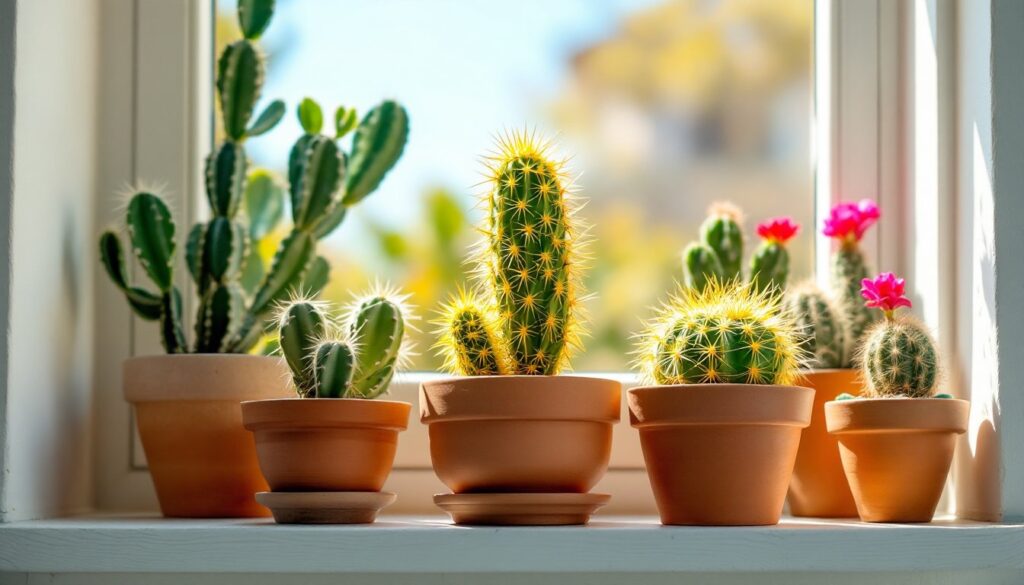
Avoid using coffee grounds on succulents, cacti, and orchids. These plants need fast-draining, low-nutrient mixes. Coffee grounds retain moisture and encourage rot. For a broader look at which common indoor house plants tolerate amendments, consider each species’ native habitat, tropical plants from nutrient-rich forest floors handle organic matter better than desert natives.
Seedlings and young plants should never get coffee grounds. The caffeine and slow nitrogen release can stunt early growth.
How to Properly Apply Coffee Grounds to Indoor Plants
If someone insists on using coffee grounds, application method makes or breaks the outcome.
Mix Into Potting Soil (Best Method)
Blend 10-20% coffee grounds by volume into fresh potting mix during repotting. Combine grounds with perlite, peat moss, or coco coir to prevent compaction. Let the mixed soil sit for a week before planting to allow initial decomposition and nitrogen stabilization.
Composting First (Safest Method)
Add coffee grounds to a compost bin or worm composter. Let them break down fully before using the finished compost in potting mixes. This eliminates mold risk, stabilizes nitrogen, and removes caffeine.
Top Dressing (Use Sparingly)
Sprinkle a thin layer (1/8 inch max) on the soil surface, then gently scratch it into the top half-inch with a fork. Water lightly. Limit this to once every 2-3 months, and only for plants that tolerate organic matter.
Liquid Fertilizer (Diluted)
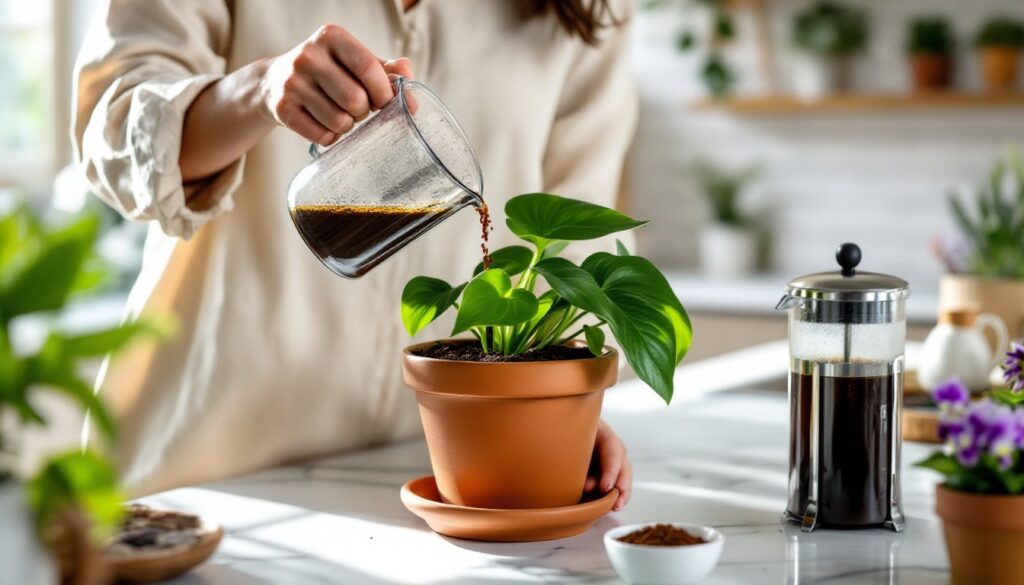
Soak 1 cup of used grounds in 1 gallon of water for 24 hours. Strain and use the weak “coffee tea” to water plants. This delivers trace nutrients without the compaction risk, though the nutrient concentration is low.
Never apply fresh, wet grounds directly from the coffee maker. Spread them on a tray to dry for 24-48 hours first. Dry grounds are easier to mix, less likely to mold, and won’t clump.
Always wear gloves when handling used grounds, they can harbor bacteria from the brewing process.
Better Alternatives to Coffee Grounds for Houseplants
For most indoor gardeners, commercial products and proven amendments deliver better results with less risk.
Worm castings provide slow-release nitrogen, beneficial microbes, and humic acids without compaction or pH issues. Mix 10-20% by volume into potting soil or top-dress with a 1/4-inch layer.
Compost (fully finished, not raw kitchen scraps) adds organic matter and nutrients. Use 20-30% compost in custom potting mixes for heavy feeders like tomatoes or herbs grown indoors.
Liquid fertilizers (balanced formulas like 20-20-20 or 10-10-10) give precise nutrient control. Dilute to half-strength and apply every 2-4 weeks during the growing season. Popular home and garden resources like Better Homes & Gardens regularly test and recommend specific brands.
Slow-release granular fertilizers (Osmocote, Nutricote) release nutrients over 3-6 months. Sprinkle the recommended amount (usually 1 teaspoon per 4-inch pot) on the soil surface.
Perlite and vermiculite improve aeration and drainage without adding nutrients. They’re especially useful for plants that hate wet feet, like succulents and hoyas.
Fish emulsion provides fast-acting nitrogen with trace minerals. It smells awful indoors but works well for outdoor container plants or greenhouses.
For readers in humid climates or Southern living spaces where mold grows easily, stick with dry amendments and avoid anything that stays wet on the soil surface.
Conclusion
Coffee grounds can work for indoor plants, but they’re not the foolproof hack social media claims. Use them mixed into soil at low ratios, fully composted, or as a diluted liquid feed, and only for plants that tolerate organic matter. For most houseplants, commercial fertilizers and proven amendments like worm castings deliver consistent results without the mold, compaction, or guesswork. If those used grounds are piling up, the compost bin is a safer bet than the fiddle leaf fig.