Table of Contents
TogglePet owners don’t need to choose between a thriving <a href="https://www.hunker.com/13722389/indoor-plants-safe-for-dogs/” target=”_blank” rel=”noopener nofollow”>indoor jungle and keeping their furry companions safe. Plenty of houseplants coexist peacefully with curious cats and playful dogs, but knowing which ones won’t send you rushing to the emergency vet makes all the difference. Whether a kitten decides to nibble a dangling frond or a dog investigates a new pot with a little too much enthusiasm, the wrong plant can cause anything from mild stomach upset to serious toxicity. The good news? Dozens of beautiful, low-maintenance species pose zero threat to pets while still filtering air, adding humidity, and bringing that essential touch of green to any room.
Key Takeaways
- Indoor plants safe for pets—such as spider plants, Boston ferns, parlor palms, and prayer plants—offer beauty and air-filtering benefits without toxicity risks to cats and dogs.
- Many common houseplants like pothos, dieffenbachia, and sago palms contain dangerous compounds such as calcium oxalates and saponins that cause serious symptoms ranging from drooling and vomiting to seizures and organ damage.
- Always cross-reference plants against the ASPCA’s toxic and non-toxic plant database using their botanical name rather than common names, as misidentification can have life-threatening consequences.
- Proper setup—including elevated placement on stable stands, weighted pots, and avoidance of decorative top dressings—prevents accidents and discourages pets from knocking over or digging in plants.
- Use organic fertilizers and pet-safe potting mixes, provide cat grass as a designated chewing alternative, and establish consistent watering routines to maintain a thriving, safe indoor garden.
- Pet-safe plant rotation and thoughtful environmental design keep both plants and pets mentally stimulated while reducing boredom-related chewing and exploration habits.
Why Choosing Pet-Safe Plants Matters
Houseplants and pets both improve quality of life, but mixing the wrong varieties can turn a peaceful home into a veterinary emergency. Dogs and cats explore the world with their mouths, and even well-trained animals may chew on leaves out of boredom, curiosity, or dietary instinct.
Many common ornamentals contain compounds like calcium oxalates, glycosides, or saponins that irritate mucous membranes, cause gastrointestinal distress, or, in severe cases, damage internal organs. Symptoms range from drooling and vomiting to lethargy, difficulty breathing, and seizures. Treatment costs aside, the emotional toll of seeing a pet suffer from something as preventable as a toxic plant choice is significant.
The ASPCA maintains a comprehensive database of toxic and non-toxic plants, updated regularly as new species enter the market. Cross-referencing any new addition to your collection against this list takes less than a minute and can spare considerable heartache.
Beyond toxicity, placement matters. Heavy ceramic pots can tip over if a large dog bumps them, and trailing vines may tempt climbing cats. Secure pots on stable surfaces, use plant stands with wide bases, and avoid hanging planters directly above pet beds or feeding areas. Thoughtful setup prevents accidents that have nothing to do with the plant’s chemistry.
Top Indoor Plants That Are Safe for Cats and Dogs
Selecting pet-safe greenery doesn’t mean settling for dull or hard-to-find species. The following plants offer visual appeal, varied textures, and manageable care requirements, all while posing zero toxicity risk to household animals.
Spider Plants and Boston Ferns
Spider plants (Chlorophytum comosum) top nearly every pet-safe list for good reason. They tolerate a wide range of light conditions, from bright indirect to moderate shade, and forgive inconsistent watering. Mature plants produce cascading offshoots (spiderettes) that root easily in water or soil, making propagation foolproof. The arching, variegated leaves may attract playful cats, but nibbling causes no harm beyond a slightly chewed aesthetic. Place them in hanging baskets or on high shelves if constant batting becomes annoying.
Boston ferns (Nephrolepis exaltata) bring lush, feathery texture to rooms that need softening. They prefer consistent moisture and humidity above 50%, so kitchens and bathrooms suit them well. If your home runs dry in winter, a pebble tray or occasional misting keeps fronds from browning. These ferns can reach 2–3 feet in diameter given proper care, so plan for space. They’re completely non-toxic, even if a pet decides to take a mouthful of greenery. Rotate the pot every few weeks to encourage even growth, since Boston ferns lean toward their light source.
Parlor Palms and Prayer Plants
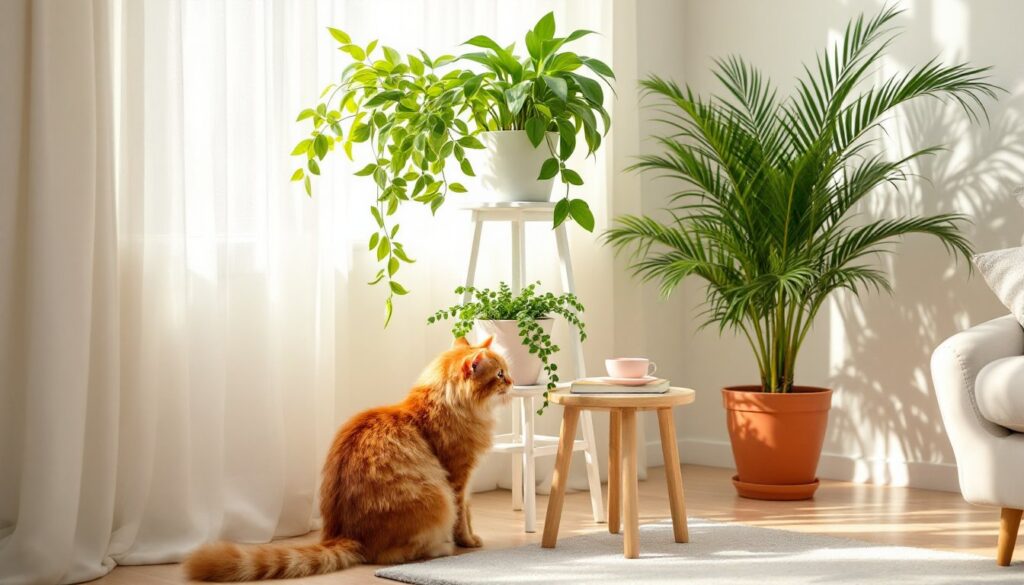
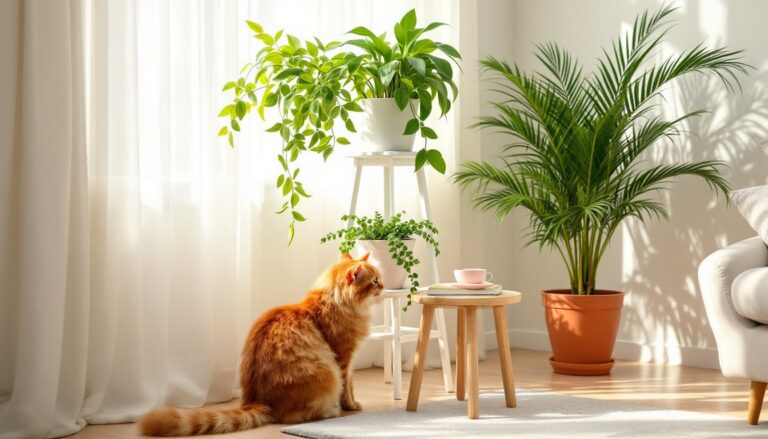
For homeowners seeking a low-light houseplant option, parlor palms (Chamaedorea elegans) deliver tropical flair without demanding a sunroom. Native to rainforest understories, they thrive in indirect light and tolerate neglect better than many palms. Water when the top inch of soil feels dry, and don’t panic if growth slows in winter, that’s normal. Mature specimens reach 4–6 feet indoors over several years, but they grow slowly enough that repotting every 2–3 years suffices. Pet-safe and pest-resistant, parlor palms suit corners that need vertical interest without the risk.
Prayer plants (Maranta leuconeura) earn their name from leaves that fold upward at night, mimicking hands in prayer. The foliage displays striking patterns, red veins on green backgrounds, often with dark splotches, that rival any ornamental you’d find at a boutique nursery. They prefer bright, indirect light and consistently moist (not soggy) soil. Prayer plants are safe for both cats and dogs, and their compact growth habit makes them ideal for desks, nightstands, or bathroom counters where humidity stays elevated. If leaf edges brown, increase ambient moisture or move the plant away from heating vents.
How to Create a Pet-Friendly Indoor Garden
Building a home filled with greenery while keeping pets safe requires more than selecting the right species. Placement, potting materials, and maintenance routines all factor into a setup that looks good and functions safely.
Elevate or isolate high-traffic plants. Even non-toxic varieties can create messes if knocked over. Use tall plant stands, wall-mounted shelves, or hanging planters to keep larger pots out of paw range. For floor plants, choose weighted ceramic or terracotta pots over lightweight plastic. A 10-inch pot filled with soil weighs enough that most cats won’t tip it, though a bounding Labrador might still manage.
Skip decorative top dressings that tempt diggers. Pebbles, moss, or bark mulch can look polished, but they also invite curious pets to excavate. Dogs may ingest small stones, and cats might mistake a mossy pot for a litter box. Bare soil or a thin layer of coconut coir works fine and discourages unwanted attention. If you must use decorative elements, opt for larger river rocks (2+ inches) that pets can’t swallow.
Establish a watering schedule that prevents standing water. Overwatering kills more houseplants than underwatering, and soggy soil attracts fungus gnats, pests that annoy humans and pets alike. Water thoroughly until excess drains from the bottom, then empty saucers within 15 minutes. This prevents root rot and eliminates the puddles that some pets drink from, which can contain fertilizer residue or bacteria.
Use organic potting mix and pet-safe fertilizers. Conventional fertilizers often contain bone meal, blood meal, or synthetic chemicals that smell appealing to dogs but cause stomach upset if ingested. Look for OMRI-listed organic options or slow-release pellets designed for edibles, which pose minimal risk even if a pet noses into the soil. Brands like Espoma or Dr. Earth offer formulations safe around animals. If you’re uncertain about proper plant care routines, start with a simple potting mix and delay fertilizing until plants show active growth.
Rotate species to keep things interesting, for you and your pets. Animals grow bored with static environments just like people do. Swapping a fern for a peperomia or moving a parlor palm to a new corner reduces the novelty factor that prompts excessive sniffing or chewing. It also lets you adjust for seasonal light changes and experiment with combinations that work in different microclimates around your home.
Provide pet-safe alternatives to chew on. Cats, especially, nibble greens to aid digestion or simply out of habit. A shallow tray of cat grass (Avena sativa or wheatgrass) planted near their favorite lounging spot gives them a designated snack and diverts attention from your decorative plants. These grasses grow quickly from seed and cost pennies per tray. Replace every 2–3 weeks as blades yellow.
Common Houseplants to Avoid Around Pets
Even experienced gardeners sometimes bring home a beautiful specimen without checking its toxicity profile. The following plants appear frequently in homes and garden centers but pose serious risks to cats and dogs.
Pothos (Epipremnum aureum) and philodendrons contain calcium oxalate crystals that cause immediate oral irritation, excessive drooling, and difficulty swallowing. These trailing vines grow vigorously and look stunning in hanging baskets, which makes them popular, but a single nibbled leaf can send a pet into distress. Symptoms usually resolve within a few hours, but severe cases may require veterinary intervention.
Dieffenbachia (dumb cane) carries the same calcium oxalate compounds in higher concentrations. Ingestion can cause painful swelling of the mouth and throat, sometimes severe enough to block airways. The common name “dumb cane” comes from the temporary speechlessness victims experience after exposure, a good indicator this plant has no place in a pet-friendly home.
Snake plants (Sansevieria species) contain saponins that cause nausea, vomiting, and diarrhea in both cats and dogs. While rarely fatal, the symptoms are uncomfortable and can lead to dehydration if not managed. Snake plants tolerate neglect and low light beautifully, which contributes to their popularity, but pet owners should explore alternatives like parlor palms or spider plants instead.
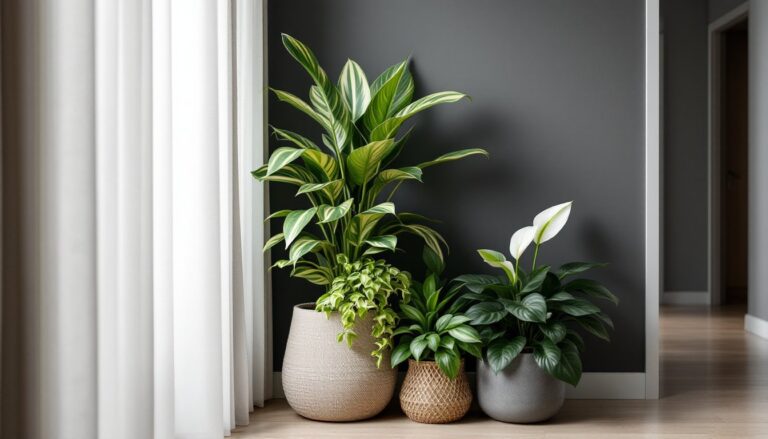
Peace lilies (Spathiphyllum) rank among the most common toxic houseplants for dogs and cats. Even though the gentle name, they trigger oral irritation, drooling, vomiting, and difficulty swallowing. The elegant white blooms make them a favorite for low-light spaces, but the risk outweighs the aesthetic appeal in homes with pets.
Sago palms (Cycas revoluta) aren’t true palms, they’re cycads, and every part of the plant is highly toxic. Ingestion causes vomiting, diarrhea, seizures, liver failure, and death in severe cases. Even small amounts pose life-threatening danger. If you currently own a sago palm and have pets, remove it immediately or relocate it to a space animals cannot access under any circumstances.
Before purchasing any new plant, cross-reference its botanical name (not just the common name, which can apply to multiple species) with the ASPCA’s toxic and non-toxic plant database. Nurseries sometimes mislabel plants or use regional nicknames that obscure true identity. When in doubt, snap a photo and consult a local extension office or veterinarian.
Conclusion
Pet-safe greenery transforms living spaces without compromising animal welfare. Spider plants, Boston ferns, parlor palms, and prayer plants prove that “non-toxic” doesn’t mean “boring.” Thoughtful placement, organic care products, and regular rotation keep both plants and pets thriving. Skip the pothos and peace lilies, there’s no shortage of beautiful, safe alternatives ready to fill every room.