
Table of Contents
ToggleBringing greenery indoors transforms a house into a home, but for dog owners, that design decision comes with a critical safety check. Not all houseplants play nice with curious canines who chew, sniff, and sometimes taste-test everything within reach. The wrong plant can turn a decorating win into a vet visit, while the right choices let homeowners enjoy lush interiors without worrying every time their pup wanders near a pot. This guide walks through dog-safe plant options that thrive indoors, flags the species to skip entirely, and shares practical care tips that keep both greenery and four-legged family members healthy.
Key Takeaways
- Dog safe indoor plants allow pet owners to enjoy lush home interiors without risking their dog’s health from toxic foliage.
- Spider plants, Boston ferns, parlor palms, and peperomias are beginner-friendly dog safe indoor plants that tolerate irregular watering and low maintenance.
- Pothos, sago palm, dieffenbachia, snake plant, and aloe vera are toxic to dogs and should be avoided entirely or placed out of reach.
- Proper placement using elevated stands, hanging planters, or high shelves keeps even non-toxic plants away from curious dogs who might overeat foliage.
- Match plants to your room’s natural light and humidity levels—south-facing windows for bright light lovers and bathrooms for humidity-loving ferns—while keeping watering cans and fertilizers secured away from pets.
Why Choosing Dog Safe Indoor Plants Matters
Dogs explore the world with their mouths. A nibbled leaf might seem harmless, but many popular houseplants contain compounds, oxalates, saponins, glycosides, that trigger reactions ranging from mild drooling to severe gastrointestinal distress, organ damage, or worse. According to the ASPCA Animal Poison Control Center, plant toxicity ranks among the top ten reasons pet owners call for emergency guidance.
Symptoms vary by plant and the amount ingested. Some cause immediate vomiting or diarrhea. Others lead to lethargy, difficulty breathing, or irregular heartbeat. Puppies and small breeds face higher risk due to their size and tendency to chew everything during teething. Even non-toxic plants can cause minor stomach upset if a dog eats enough foliage, but the stakes are far higher with genuinely poisonous species.
Choosing dog-safe varieties isn’t about eliminating all greenery, it’s about informed selection. Homeowners who vet their plant list can fill windowsills, shelves, and floor corners with living decor that won’t send them scrambling for the phone if their dog decides to investigate. Prevention beats treatment every time, and it starts with knowing which plants earn a spot indoors.
Top Dog Safe Indoor Plants for Every Room
Low-Maintenance Options for Busy Pet Owners
Spider Plant (Chlorophytum comosum) tops the beginner-friendly list. It tolerates irregular watering, thrives in indirect light, and produces cascading offshoots that add visual interest. Safe for dogs and cats, it’s practically indestructible, ideal for homeowners who occasionally forget to water. Hang it in a basket or let it spill over a shelf edge.
Boston Fern (Nephrolepis exaltata) brings lush, feathery fronds to humid spaces like bathrooms and kitchens. It prefers consistent moisture and indirect light but won’t harm dogs if they brush against it or take an exploratory nibble. Mist the leaves weekly to keep them vibrant, and trim brown tips as needed.
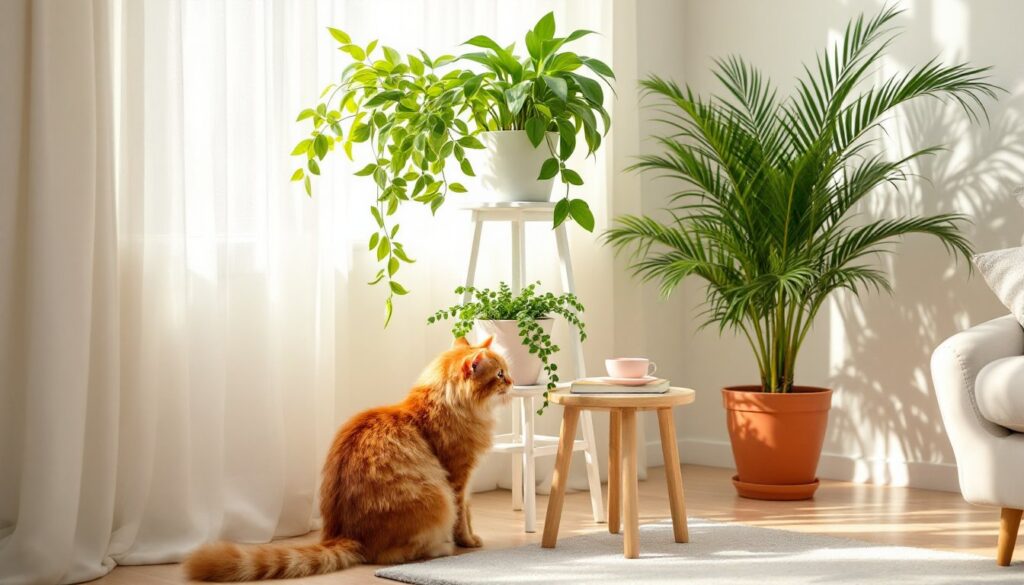
Parlor Palm (Chamaedorea elegans) delivers a tropical vibe without the tropical fuss. This slow-growing palm handles low to moderate light and forgives occasional neglect. It stays compact, usually under four feet indoors, and poses zero risk to dogs. Water when the top inch of soil dries out, and wipe dust from the fronds monthly.
Peperomia varieties (like Peperomia obtusifolia or Peperomia caperata) offer thick, waxy leaves in shades of green, red, and variegated cream. They need minimal watering (let the soil dry between sessions) and adapt to various light conditions. Compact and pet-safe, they fit on desks, nightstands, or kitchen counters. Many low-light indoor plants also fall into the dog-safe category, making them versatile for darker rooms.
African Violet (Saintpaulia) adds year-round blooms in purple, pink, or white. It prefers bright, indirect light and bottom watering to avoid leaf spotting. Non-toxic to dogs, it’s a solid pick for a windowsill garden where pets won’t knock it over. Use room-temperature water and keep soil slightly moist.
Statement Plants That Are Safe for Dogs
Areca Palm (Dypsis lutescens) makes a bold statement with its arching fronds and ability to reach six to seven feet indoors. It’s completely safe for dogs and doubles as a natural air purifier. Place it in a bright room with indirect sunlight, and water when the top two inches of soil feel dry. Expect to repot every couple of years as it fills out.
Calathea species (prayer plants) feature striking leaf patterns, stripes, spots, and deep purples, that rival any piece of art. They’re non-toxic and thrive in medium to low light, though they demand higher humidity. Group them with other plants, use a pebble tray, or run a humidifier nearby. Water with filtered or distilled water to prevent leaf edge browning from tap minerals.
Ponytail Palm (Beaucarnea recurvata) isn’t a true palm but a succulent with a bulbous trunk and cascading leaves. It stores water in that swollen base, so it tolerates drought and doesn’t mind being forgotten for a week or two. Safe for dogs and visually unique, it works well in bright, sunny spots. Overwatering is the main killer, let the soil dry completely between waterings.
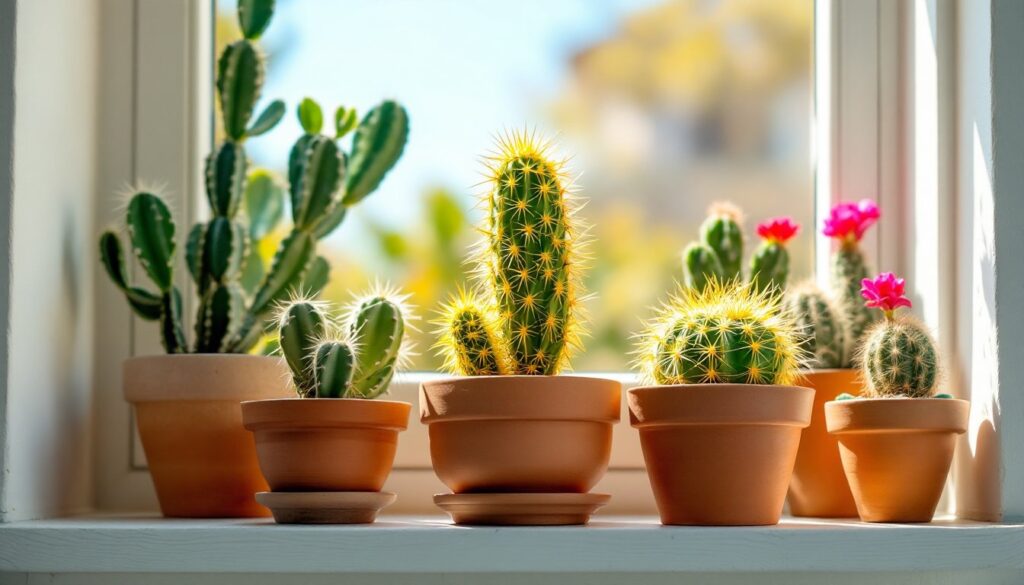
Haworthia and other small succulents (like Echeveria) bring sculptural interest to tabletops and shelves. Most succulents marketed for indoor use are dog-safe, though it’s worth cross-referencing species names with trusted pet-safe plant resources. They need bright light, infrequent watering, and well-draining cactus soil. Rotate pots monthly to prevent lopsided growth.
Maranta leuconeura (prayer plant) closes its leaves at night, creating subtle movement that catches the eye. It’s safe for dogs, prefers indirect light, and likes consistently moist (not soggy) soil. Pair it with other humidity-loving plants or place it in a bathroom with a window.
Common Houseplants to Avoid Around Dogs
Even experienced plant owners get tripped up by how many popular houseplants are toxic. Here’s the shortlist of what to skip or relocate out of paw’s reach:
Pothos (Epipremnum aureum) is everywhere, offices, malls, homes, because it’s nearly impossible to kill. But it contains calcium oxalates that cause oral irritation, drooling, vomiting, and difficulty swallowing in dogs. Same goes for Philodendron species, which share the same toxic compound.
Sago Palm (Cycas revoluta) is one of the most dangerous. All parts are toxic, especially the seeds, and ingestion can lead to liver failure. If there’s a dog in the house, don’t bring this plant home.
Dieffenbachia (dumb cane) earns its common name from the temporary speechlessness it causes when chewed. Oxalate crystals irritate the mouth and throat, leading to swelling and pain.
Snake Plant (Sansevieria trifasciata) is praised for its air-purifying qualities and low-maintenance needs, but it contains saponins that cause nausea and vomiting in dogs. It’s not usually life-threatening, but it’s unpleasant enough to warrant caution. For a full breakdown, many homeowners reference guides on what house plants are toxic to dogs before adding to their collection.
Aloe Vera might soothe human sunburns, but the gel and latex in the leaves are harmful to dogs. Symptoms include vomiting, diarrhea, and lethargy.
ZZ Plant (Zamioculcas zamiifolia) handles neglect like a champ but contains calcium oxalate crystals. Keep it out of reach or opt for a safer alternative.
When in doubt, cross-reference any plant with the ASPCA’s toxic and non-toxic plant database before bringing it indoors. If a plant is already in the home and can’t be relocated, place it on a high shelf, in a hanging planter, or behind a closed door in a room the dog doesn’t access.
Care Tips for Maintaining Dog Safe Indoor Plants
Keeping dog-safe plants healthy involves the same fundamentals as any indoor greenery, with a few pet-specific tweaks.
Soil and Potting: Use well-draining potting mix suited to the plant type. Cacti and succulents need sandy, fast-draining blends, while ferns and palms prefer moisture-retentive mixes with peat or coir. Ensure pots have drainage holes to prevent root rot. Curious dogs sometimes dig in pots, so consider top-dressing soil with decorative stones or placing plants on elevated stands.
Watering: Overwatering kills more houseplants than underwatering. Stick a finger two inches into the soil, if it’s dry, water thoroughly until it drains out the bottom. Discard excess water from saucers to avoid soggy roots. Keep watering cans out of reach: some dogs drink from them or knock them over.
Light Requirements: Match plants to the room’s natural light. South-facing windows provide bright, direct sun: north-facing windows offer low, indirect light. Rotate pots a quarter turn weekly so all sides get equal exposure. If natural light is limited, grow lights for house plants can supplement, especially in winter.
Humidity and Temperature: Most tropical houseplants thrive in 40–60% humidity, which is higher than the average home. Mist leaves, group plants together, or use a humidifier. Keep plants away from heating vents, AC units, and drafty windows. Stable temperatures between 60–75°F work for most species.
Fertilizing: Feed plants during the growing season (spring and summer) with a balanced, water-soluble fertilizer diluted to half strength. Follow package directions. Most houseplants don’t need fertilizer in fall and winter when growth slows.
Pest Management: Check for aphids, spider mites, and fungus gnats. Wipe leaves with a damp cloth to remove dust and pests. Use insecticidal soap or neem oil if infestations occur, both are generally safe around pets when used as directed, but keep dogs away until surfaces dry.
Pruning and Grooming: Trim dead or yellowing leaves to keep plants tidy and encourage new growth. Sterilize pruning shears with rubbing alcohol between cuts to prevent disease spread. For a refresher on general care techniques, guides on common indoor house plants often cover cross-species maintenance tips.
Repotting: When roots grow out of drainage holes or the plant becomes top-heavy, it’s time to repot. Choose a container one to two inches larger in diameter, refresh the soil, and water thoroughly after transplanting. Spring is the best time for repotting most species.
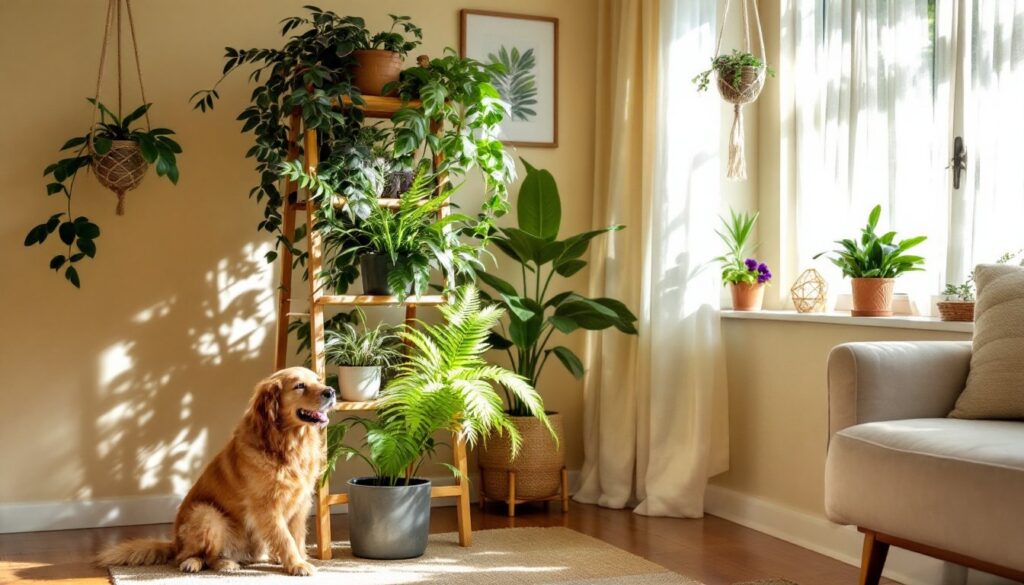
Pet-Proofing Placement: Even non-toxic plants can cause mild stomach upset if a dog eats a large amount. Use plant stands, wall-mounted shelves, or hanging planters to keep foliage out of reach. Avoid floor plants in high-traffic areas where dogs might knock them over. Resources like pet-friendly houseplants guides offer additional layout ideas for multi-pet households.
Conclusion
Dog-safe indoor plants prove that pet owners don’t have to choose between a green home and a safe one. From low-maintenance spider plants to eye-catching palms, there’s a non-toxic option for every skill level and room type. The key is doing the assignments upfront, vetting species, understanding care needs, and placing plants strategically. With the right selections and a little ongoing attention, homeowners can cultivate thriving indoor gardens that both they and their dogs can enjoy without worry.