
Table of Contents
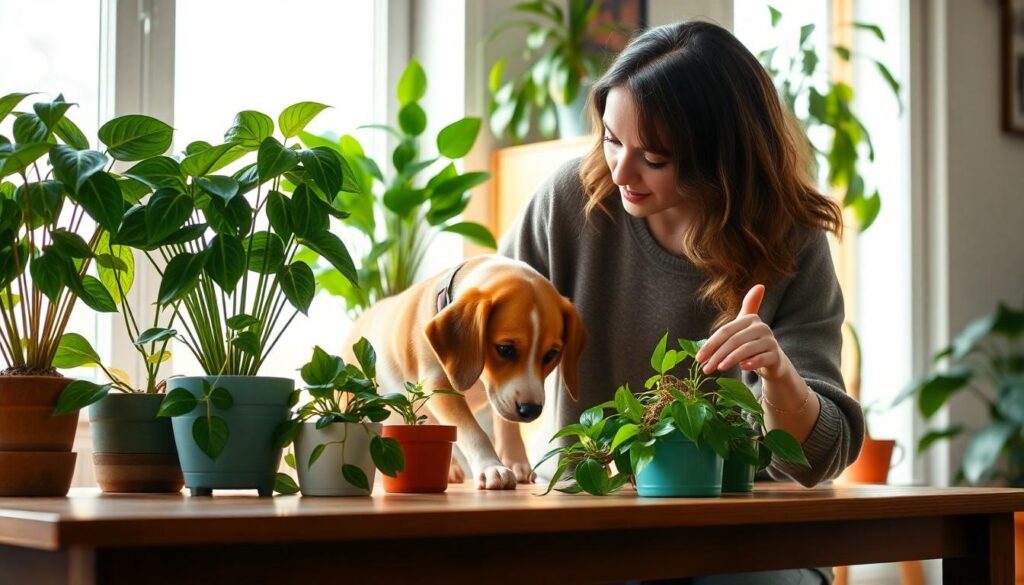
ToggleDog lovers know that a wagging tail and a curious nose can lead to unexpected adventures around the house. But did you know that some of those beautiful house plants could turn into a dog’s worst nightmare? While your furry friend might think they’ve stumbled onto a salad bar, certain plants can pack a toxic punch that’s no joke.
Overview of House Plants and Pet Safety
House plants can enhance living spaces, but many are toxic to dogs. Pet owners must recognize that curiosity leads dogs to explore their surroundings, including plants. Some common house plants pose significant health risks if ingested.
Plants like pothos, philodendrons, and dieffenbachia contain compounds that can cause oral irritation, vomiting, or other serious health problems. Symptoms may vary based on the amount ingested and the specific plant species. Early identification of potential plant hazards is crucial for pet owners.
Understanding which plants are safe and which are harmful contributes to a pet-friendly environment. Resources like the ASPCA’s list of toxic and non-toxic plants provide valuable guidance for pet owners. Choosing non-toxic alternatives, such as spider plants or Boston ferns, promotes safety without sacrificing aesthetics.
Awareness of a plant’s toxicity can guide decisions when bringing new flora into the home. Owners should monitor their dogs closely for unusual behavior, especially if exploring newly added plants. Safety measures include placing toxic plants out of reach or opting for pet-friendly varieties.
Creating a safe environment for dogs involves ongoing education about which house plants are dangerous. By prioritizing pet safety, owners can minimize health risks while enjoying the beauty of indoor gardening.
Common Toxic House Plants
Toxic house plants can pose serious risks for dogs. Understanding these plants helps pet owners keep their furry companions safe.
Plant 1: Oleander
Oleander contains cardiac glycosides, which are highly toxic to dogs. Symptoms of oleander ingestion include vomiting, diarrhea, and potentially fatal heart issues. All parts of the plant, including flowers and leaves, are dangerous. Even small amounts can lead to significant health problems. Pet owners should avoid having oleander indoors or in their yards to ensure safety.
Plant 2: Sago Palm
Sago palm is particularly toxic due to its cycasin content, affecting the liver and central nervous system. Exposure can lead to severe symptoms, including vomiting, seizures, and liver failure. Pets are at risk if they ingest any part of the sago palm, especially the seeds. Immediate veterinary attention is necessary if ingestion occurs. Keeping this plant out of reach protects dogs from harm.
Plant 3: Dieffenbachia
Dieffenbachia, commonly known as dumb cane, contains calcium oxalate crystals that cause oral irritation and swelling. If ingested, dogs may experience drooling, vomiting, and difficulty swallowing. The entire plant is toxic, leading to significant discomfort. It’s essential to monitor pets around this plant and consider safer alternatives. Restricting access to dieffenbachia helps maintain a pet-friendly home.
Symptoms of Plant Poisoning in Dogs
Identifying symptoms of plant poisoning in dogs is crucial for timely intervention. Symptoms can range from mild reactions to severe health issues.
Mild Symptoms
Mild symptoms may include drooling, vomiting, and diarrhea. Dogs often display discomfort or lethargy in response to ingestion. Additionally, oral irritation can cause pawing at the mouth. Some dogs may refuse to eat or seem less active than usual. These symptoms often arise shortly after ingestion, indicating a potential issue. Prompt observation ensures quick action if symptoms escalate.
Severe Symptoms
Severe symptoms warrant immediate veterinary attention. Signs such as difficulty breathing, seizures, or swelling can indicate a serious condition. Some dogs may exhibit abnormal heart rates due to toxins affecting their systems. If a dog shows signs of tremors or collapse, these may signal life-threatening reactions. Promptly addressing severe symptoms can significantly impact the dog’s recovery. Recognizing these signs ensures owners remain vigilant about their pets’ health.
Prevention Tips for Dog Owners
Keeping dogs safe from toxic house plants requires proactive steps. Select non-toxic plants, such as spider plants or Boston ferns, to minimize hazards. Arrange plants where dogs cannot reach them, placing them on high shelves or in hanging planters.
Identifying toxic plants in the home reduces risks. Familiarize yourself with common hazardous species like pothos, philodendrons, and oleander. Store any toxic plants in separate areas, clearly marking them to alert household members.
Creating barriers serves as an effective deterrent, like using gates to restrict access to rooms with plants. Educating family members, especially children, about the dangers of ingesting plants solidifies a united front against risks.
Monitoring dog behavior plays a critical role in prevention. Observe them closely, as some dogs may show interest in plants more than others. Redirect any unwanted behavior with toy distractions or training cues.
Emergency preparedness is essential when it comes to plant toxicity. Compile the contact information for a local veterinarian and the ASPCA Animal Poison Control Center for quick access. Familiarize yourself with the symptoms of plant poisoning, such as vomiting, drooling, or difficulty breathing, to react promptly.
Regularly reviewing and updating plant selections ensures ongoing safety. Consider seasonal changes, as new plant varieties may offer safety alternatives. Maintain awareness of your dog’s habits over time, adjusting the environment as necessary to ensure they remain safe and healthy.
Pet owners must remain vigilant about the house plants they bring into their homes. Understanding which plants are toxic to dogs is crucial for ensuring their safety. By opting for non-toxic alternatives and implementing safety measures, they can create a pet-friendly environment.
Being aware of the symptoms of plant poisoning allows for quick action in case of an emergency. Regularly reviewing plant selections and educating family members about potential hazards further enhances a dog’s well-being. With knowledge and proactive measures, pet owners can enjoy their indoor gardens while keeping their furry friends safe and healthy.