
Table of Contents
ToggleTransforming a kid’s room into a magical space can feel like a daunting task, but it doesn’t have to be. With a sprinkle of creativity and a dash of fun, parents can turn any ordinary room into an extraordinary adventure zone. From whimsical wall art to cozy reading nooks, the possibilities are endless.
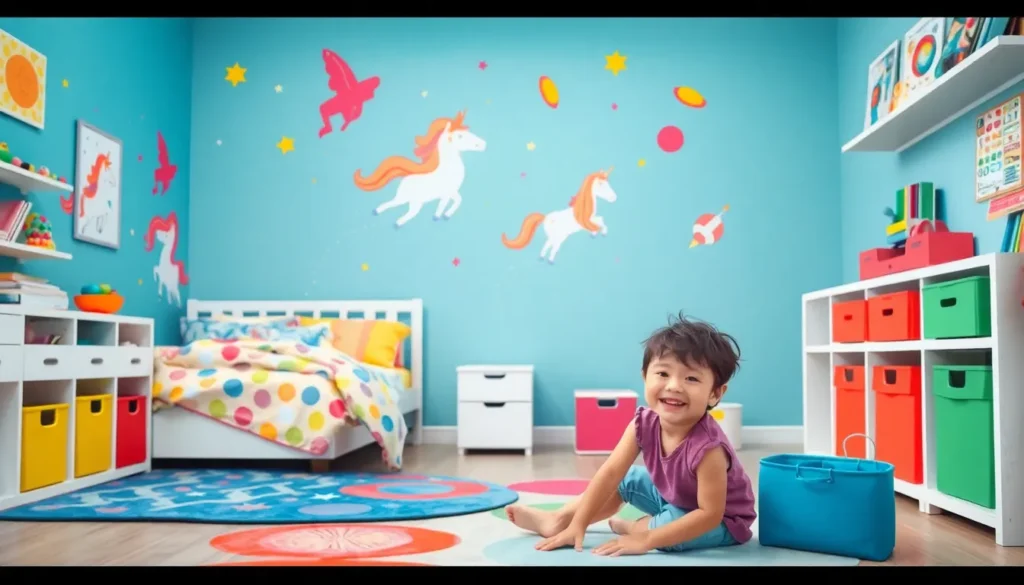
Imagine a room where unicorns frolic on the walls and spaceships zoom overhead. It’s not just decor; it’s a launchpad for imagination. A well-decorated room can inspire kids to explore, create, and even clean up their toys—okay, maybe that last one is a stretch, but a little motivation never hurt! Dive into the world of kids room decor and discover how to make a space that sparks joy, creativity, and maybe even a little bit of peace and quiet for parents.
Importance Of Kids Room Decor
Kids room decor plays a crucial role in a child’s development and well-being. Engaging spaces stimulate imagination and creativity. A vibrant environment encourages children to express themselves through play and exploration.
Consider the impact of colors; different hues can influence mood and energy levels. For instance, soft pastels promote calmness, while bright colors can energize and inspire.
Organization also benefits from thoughtful decor choices. Designated spaces for toys and books help instill a sense of responsibility and tidiness. When rooms reflect personal interests, kids feel a stronger connection to their surroundings.
Usage of themed decor fosters a sense of belonging. Designs incorporating favorite characters or activities make rooms feel unique and special. Personalization enhances confidence, providing a safe retreat that mirrors individual passions.
Diverse textures and materials add depth to kids rooms, promoting sensory exploration. Varied surfaces, such as plush rugs and wall decals, invite tactile interaction and enhance learning through discovery.
Integrating educational elements within decor can support learning. Wall charts, maps, or inspirational quotes inspire curiosity and motivate kids. A balance of playful and educational aspects nurtures both creativity and knowledge.
Ultimately, investing in thoughtful decor sets the stage for a positive atmosphere. Enhancing a child’s environment promotes emotional health, cognitive growth, and overall happiness.
Popular Themes For Kids Room Decor
Creating a themed space engages children’s imaginations and reflects their interests. Several popular themes capture unique elements that appeal to kids.
Nature-Inspired Themes
Nature-inspired decor transforms rooms into serene escapes. Wall murals of forests or oceans invite exploration and the wonders of the natural world. Furniture crafted from sustainable materials aligns with eco-conscious values. Textiles featuring floral or animal prints add vibrant touches to bedding and curtains. Incorporating plants fosters a connection to nature, supporting learning about the environment. Organizing play areas around outdoor themes enhances creative play opportunities, blending fun with educational elements.
Fantasy Themes
Fantasy themes dive into worlds filled with magic and adventure. Bedrooms styled with unicorns, dragons, or fairytales ignite children’s imaginations. Bedding sets featuring whimsical designs create a playful atmosphere, making bedtime exciting. Wall decals of castles or enchanted forests transform plain walls into portals to other realms. Incorporating themed accessories like fairy lights adds a touch of sparkle, setting a magical tone. Personalizing the space with favorite characters fosters a sense of ownership and comfort in their whimsical retreat.
Essential Elements Of Kids Room Decor
Creating an engaging kids’ room involves several essential elements that enhance both functionality and aesthetics.
Furniture Selection
Selecting furniture that’s durable and age-appropriate plays a significant role in kids’ room decor. Varieties of furniture include beds, desks, and storage units designed for children’s needs. Opting for multi-functional pieces like a bed with storage or a desk that doubles as a craft table maximizes space. Safety features, such as rounded edges and non-toxic finishes, contribute to a secure environment. Choosing adjustable furniture accommodates growth, allowing changes as children age. Additionally, incorporating playful designs or bright colors can complement the room’s theme.
Color Schemes
Color schemes greatly impact a child’s mood and creativity. Bright colors, such as yellows and blues, stimulate energy and cheerfulness, while soft pastels promote calmness and relaxation. Balancing vibrant tones with neutral shades creates a cohesive look. For themed decor, colors should align with the selected motif, whether it’s forest greens for nature-inspired themes or magical purples for fantasy themes. Incorporating accent walls can introduce dynamic shifts in color without overwhelming the space. Thoughtful color choices help children feel more comfortable and supported within their personal space.
DIY Ideas For Kids Room Decor
Creating engaging kids’ room decor can be both fun and budget-friendly. Parents can utilize paint to transform walls into vibrant canvases. Consider painting one wall a bold color while keeping the rest neutral, enhancing the overall aesthetic.
Artwork provides another easy DIY option. Kids can showcase their creativity by framing their drawings or crafting a gallery wall with colorful prints. This personal touch fosters a sense of ownership and pride.
Furnishing with multi-functional items is practical. A storage ottoman doubles as seating and a place to stash toys. This choice promotes organization and maximizes space in smaller rooms.
Additionally, themed decor can ignite imagination. Parents might create a fairy-tale corner using draped fabric and twinkling lights for a cozy reading nook. By incorporating favorite characters, children feel a deeper connection to their space.
Incorporating natural elements adds warmth. Parents can use wood accents, such as shelves or picture frames, to create a soothing environment. These materials encourage a connection to the outdoors.
Textiles play a crucial role in kids’ room decor. Layering rugs and using colorful bedding creates a cozy atmosphere. This combination encourages sensory exploration, which is beneficial for development.
Wall decals offer a versatile option. These removable designs provide an easy way to change themes without commitment. Kids can update their decor as interests evolve, ensuring their space remains fresh.
Every detail contributes to an inviting environment. Thoughtful organization, creativity, and personalization create a sanctuary that reflects children’s identities. Engaging decor not only enhances aesthetics but also supports emotional and cognitive growth.
Tips For Choosing The Right Decor
Selecting decor for a child’s room involves thoughtful consideration of various elements. Begin by prioritizing a theme that reflects the child’s personality and interests, creating a space they love. Incorporate colors that align with the chosen theme. Bold colors can inspire energy, while soft pastels promote calmness.
Choose furniture that is durable and age-appropriate. Multi-functional pieces maximize space, adapting to a child’s needs as they grow. Safety features are essential, ensuring a secure environment free from hazards.
Consider organization as a vital aspect of the decor. Designated areas for toys and books facilitate responsibility, helping children learn to care for their belongings. Using bins or shelves can enhance accessibility and visual appeal.
Integrate textures and materials that encourage sensory exploration. Soft bedding, plush rugs, and various surfaces contribute to a comfortable atmosphere. Diverse textures stimulate curiosity and play, enhancing the room’s overall engagement.
Incorporate personal touches through artwork and decor items. Displaying the child’s creations celebrates their individuality and fosters creativity. Customizing the space with their favorite characters or elements adds a sense of belonging.
Experiment with wall decor options, such as decals or murals. These elements can transform the room, instantly aligning with the theme. Easy-to-update options allow the room to evolve with the child’s changing interests.
Lastly, keep educational elements in mind. Incorporating bookshelves, maps, or educational posters supports learning and curiosity. Thoughtfully chosen decor contributes positively to the child’s emotional and cognitive development, creating a nurturing environment.
Safety Considerations In Kids Room Decor
Safety holds paramount importance in kids room decor. Parents should prioritize selecting furniture with rounded edges to minimize injury risks. Furthermore, secure heavy furniture to walls to prevent tipping accidents.
Non-toxic paint and finishes are essential for maintaining a healthy environment. Ensure all materials comply with safety standards for children’s use. Additionally, opt for low-VOC (volatile organic compounds) products to reduce harmful emissions.
Storage solutions play a critical role in safety. Implement labeled bins and shelving to organize toys, preventing clutter. Educating children about tidy spaces can also foster responsibility and safety awareness.
When choosing decor items, focus on avoiding small objects that pose choking hazards. Art supplies and decorations should be age-appropriate, encouraging creativity without compromising safety. Use wall decals instead of framed art to eliminate sharp edges.
Adequate lighting adds both safety and comfort to a child’s room. Incorporate nightlights and soft lighting options to ensure visibility during nighttime. Convenient access to light switches enables children to navigate their space safely.
Consider securing window blinds or curtains with safety cords to avoid entanglement. Floor covering should minimize slips while creating a cozy atmosphere. Select rugs with non-slip backing to enhance stability when children play.
Ultimately, a safe room decor enhances functionality while creating an inviting space. Prioritizing safety fosters an environment where kids can explore freely. With these considerations in mind, parents can successfully create safe, engaging, and aesthetically pleasing spaces.
Creating a well-decorated kids’ room is more than just aesthetics; it’s about fostering a nurturing environment that encourages growth and creativity. Thoughtful decor choices can significantly impact a child’s emotional well-being and cognitive development. By integrating personalized themes and engaging elements, parents can transform ordinary spaces into magical retreats that reflect their child’s unique personality.
Safety and functionality should never be overlooked. Selecting durable furniture and ensuring a clutter-free environment allows children to explore freely while feeling secure. With a little creativity and careful planning, parents can craft a vibrant sanctuary that inspires joy and imagination, making the kids’ room a cherished space for years to come.