
Table of Contents
ToggleImagine a lush green oasis thriving in your home without a single ray of sunlight. Sounds like magic, right? Well, it’s not. It’s the world of house plants that don’t need sunlight. These resilient green companions can turn your dim corners into vibrant retreats, all while you sip your coffee and binge-watch your favorite shows.
Overview of House Plants That Don’t Need Sunlight
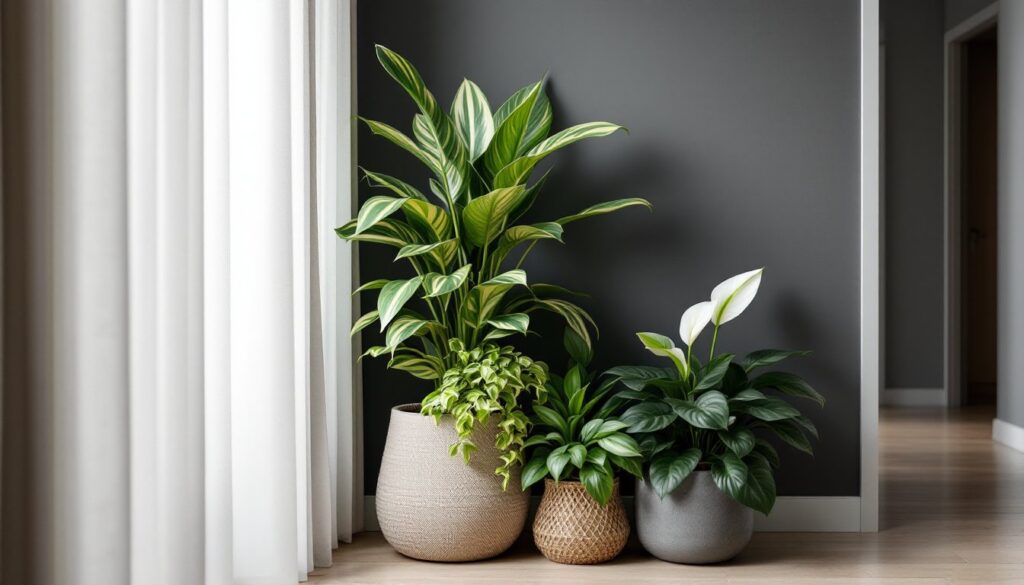
Various house plants thrive in low-light conditions, making them perfect for less illuminated spaces. Snake plants exhibit remarkable resilience and adapt well to indirect light. Pothos, with its trailing vines, can grow in a variety of environments, including darker corners of homes.
ZZ plants possess glossy leaves that not only add beauty but also require minimal light to flourish. Peace lilies thrive even in low-light situations, producing elegant white flowers that contribute to home décor.
Dracaena varieties present another excellent option, as they can tolerate low light and add dramatic flair with their striking foliage. Spider plants grow well in dim areas, and their arching leaves create a lush appearance. Fiddle leaf figs benefit from medium to low light, but they prefer indirect sunlight if available.
Philodendrons, particularly heartleaf Philodendron, adjust well to lower light. They require infrequent watering, making them easy to maintain. Cast iron plants live up to their name, enduring neglect and low-light conditions while maintaining vibrant leaves.
Collectively, these plants not only beautify indoor spaces but also purify air quality, making them ideal companions in homes where light is limited. Understanding each plant’s specific needs allows for the creation of a thriving indoor garden. Prioritizing these low-light options can lead to vibrant living areas, even in the absence of direct sunlight.
Benefits of Low-Light House Plants
Low-light house plants offer multiple advantages, making them excellent choices for indoor environments. Their ability to thrive without direct sunlight significantly enhances home spaces.
Air Quality Improvement
Low-light house plants improve air quality by absorbing toxins and releasing oxygen. Examples of effective air purifiers include peace lilies and snake plants, which filter out pollutants like formaldehyde and benzene. Many studies suggest that indoor plants reduce airborne contaminants, making the air cleaner and healthier. Individuals frequently experience better respiratory health and overall well-being in spaces filled with these plants. The incorporation of such greenery can lead to a noticeable difference in indoor air quality, enhancing comfort and reducing allergies.
Aesthetics and Decor
Low-light house plants enhance aesthetics and add decor appeal to any room. Varied colors and leaf textures, found in plants like pothos and ZZ plants, create visually stimulating environments. Arranging these plants in strategic locations, such as shelves and tabletops, transforms dull corners into inviting areas. Some homeowners choose low-light plants to complement existing decor and infuse life into their spaces. The vibrant greenery acts as a natural focal point, providing a refreshing contrast to modern furnishings. Ultimately, these plants not only beautify but also contribute to a calming atmosphere.
Popular House Plants That Don’t Need Sunlight
Several house plants thrive without sunlight, making them ideal choices for low-light environments.
Snake Plant
Snake plants exhibit hardiness and adaptability. They tolerate neglect and grow well in low-light conditions. Dark green leaves with striking patterns provide a unique aesthetic. This plant not only enhances decor but also purifies air by filtering toxins, promoting healthier indoor spaces. Its ability to convert carbon dioxide into oxygen at night further contributes to a better atmosphere.
ZZ Plant
ZZ plants stand out with their glossy, dark green leaves. This plant thrives in low-light areas, making it perfect for dim corners of homes. Watering infrequently makes maintenance simple. They can survive in various conditions, including neglect and drought. ZZ plants also help improve air quality, absorbing pollutants and releasing fresh oxygen.
Pothos
Pothos plants feature heart-shaped leaves in various shades of green and variegation. They are particularly suitable for low-light spots, thriving in indirect light. This plant grows quickly, offering a lush look to any space. It’s also known for its air-purifying abilities, eliminating common household toxins. Trailing vines can create a beautiful aesthetic when placed on shelves or hung in attractive pots.
Peace Lily
Peace lilies boast elegant white blooms and shiny, dark green leaves. These plants perform well in low-light conditions, making them popular for indoor environments. They thrive with minimal care, enjoying occasional watering. In addition to their visual appeal, peace lilies effectively filter indoor air toxins, enhancing overall air quality. Their ability to bloom indoors year-round adds to their charm, making them a favorite among house plant enthusiasts.
Care Tips for Low-Light House Plants
Maintaining low-light house plants requires specific care methods to ensure health and vitality. Understanding their needs leads to success.
Watering Requirements
Watering low-light house plants reduces the risk of overwatering, which causes root rot. It’s best to check the soil moisture before watering. If the top inch feels dry, it’s time to water. Depending on the plant type and environment, frequency can range from once a week to every few weeks. Snake plants prefer drier conditions, while peace lilies need slightly more moisture. Providing filtered water can enhance plant health. Monitoring leaves for yellowing also indicates overwatering or underwatering. Adjusting watering habits is essential to keep them thriving.
Ideal Temperature and Humidity
Low-light house plants thrive best in temperatures between 60°F and 75°F. Extreme temperature fluctuations can stress the plants, leading to poor growth. Humidity levels around 40% to 60% create an ideal environment. Utilizing a pebble tray filled with water can help increase humidity. Grouping plants together also boosts humidity through collective transpiration. Avoid placing plants near drafts or heating vents, as this leads to fluctuations in temperature. Ensuring stable conditions supports healthy growth and vibrant foliage.
Low-light house plants offer a fantastic solution for anyone looking to bring life into dim spaces. Their ability to thrive without direct sunlight makes them ideal for apartments and rooms with limited natural light. By choosing plants like snake plants, ZZ plants, pothos, and peace lilies, individuals can enjoy both aesthetic beauty and improved air quality.
These resilient plants not only enhance the decor but also contribute to a healthier environment. With proper care and attention to their specific needs, these house plants can flourish, creating a vibrant atmosphere that uplifts any home. Embracing low-light plants is a simple yet effective way to cultivate a lush indoor oasis.