
Table of Contents
ToggleImagine transforming your home into a lush oasis without the need for a green thumb. House plants nearby not only add a splash of color but also breathe life into any space. They’re like the friends who bring snacks to the party—always welcome and never a bad idea.
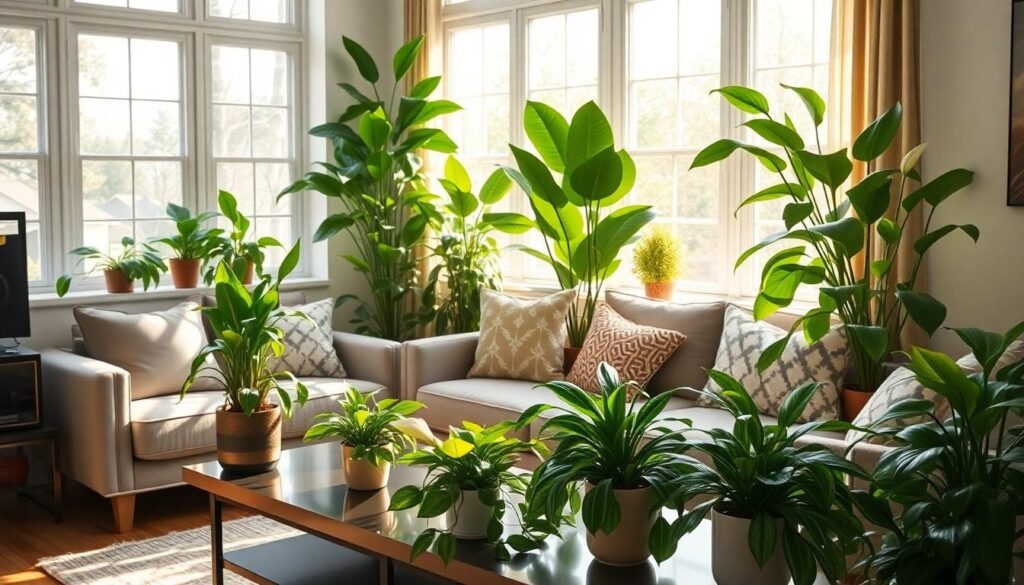
Having plants around can boost mood, improve air quality, and even spark joy. Plus, they’re great listeners. Whether it’s a quirky succulent on your desk or a leafy fern in the corner, these green companions are ready to elevate your living space. So why not invite a few leafy pals into your home? Your future self will thank you, and your guests will wonder if they’ve stepped into a botanical garden.
Benefits Of Having House Plants Nearby
House plants offer numerous advantages, enriching the home environment in various ways. They serve not only as decorative elements but also contribute positively to overall well-being.
Improved Air Quality
House plants significantly enhance indoor air quality. They filter out harmful toxins, such as formaldehyde and benzene, by absorbing them through their leaves. NASA’s Clean Air Study indicates that certain plants can remove up to 87% of volatile organic compounds (VOCs) within 24 hours. Examples include peace lilies and spider plants, both known for their air-purifying properties. Healthy air leads to better respiratory function. Keeping plants nearby can result in fewer headaches and fatigue. Therefore, incorporating them into living spaces provides cleaner and fresher air.
Enhanced Mood And Productivity
House plants also boost mood and productivity levels. Research shows that the presence of greenery can reduce stress and anxiety, promoting a sense of calm. A study by the University of Exeter demonstrated a 15% increase in productivity in offices with plants. Additionally, having plants nearby leads to increased creativity and focus. The colors and textures of foliage engage the senses, further enhancing emotional well-being. Incorporating plants brings life into a workspace or home, creating an inviting atmosphere. Thus, keeping house plants nearby fosters not just aesthetic beauty but improved mental wellness.
Best House Plants To Keep Nearby
Incorporating the right plants nearby can enhance both aesthetics and well-being. Several types of plants thrive indoors, adapting well to various conditions.
Low-Light Options
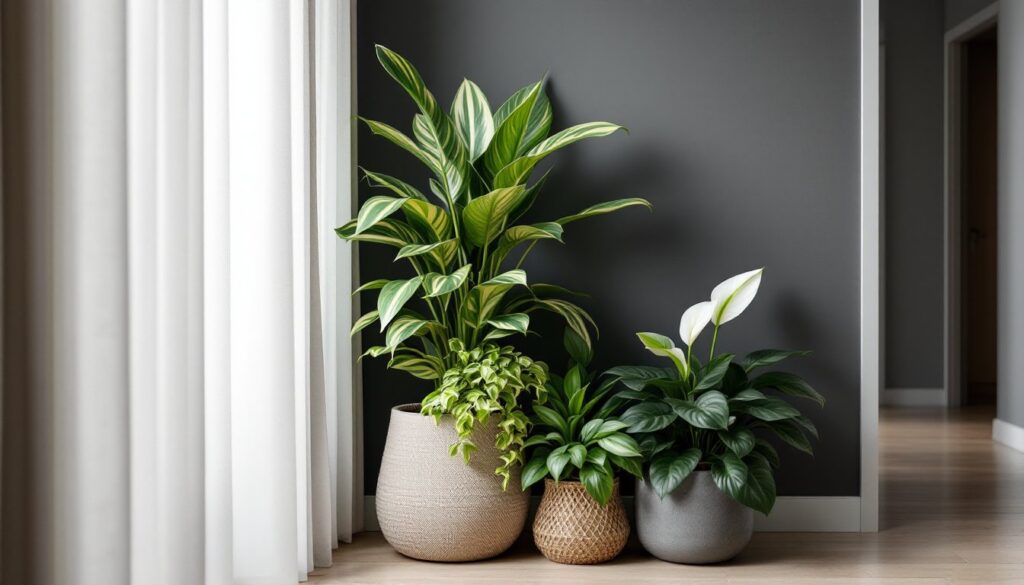
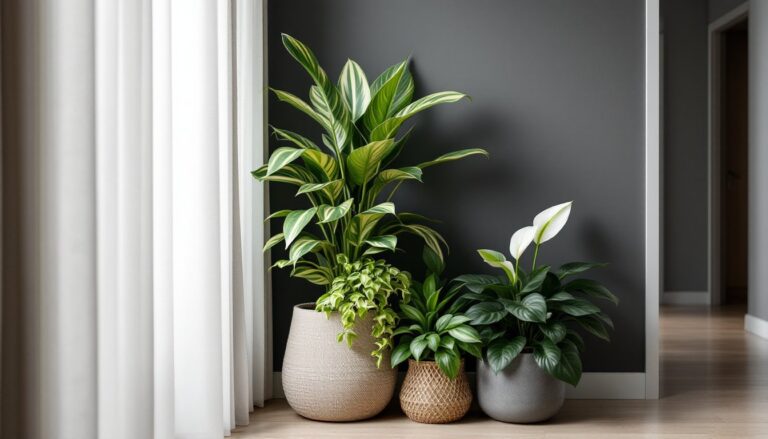
Certain plants thrive in low light, making them suitable for darker corners. Snake plants, with their upright leaves, tolerate neglect and require minimal sunlight. ZZ plants excel in dim spaces and enjoy infrequent watering, yet still provide significant air purification. Pothos vines gracefully trail and flourish even in low-light areas, making them a perfect addition. Additionally, peace lilies bloom beautiful white flowers while thriving in shade, further adding elegance to indoor spaces. All these options create welcoming atmospheres while improving air quality.
Pet-Friendly Plants
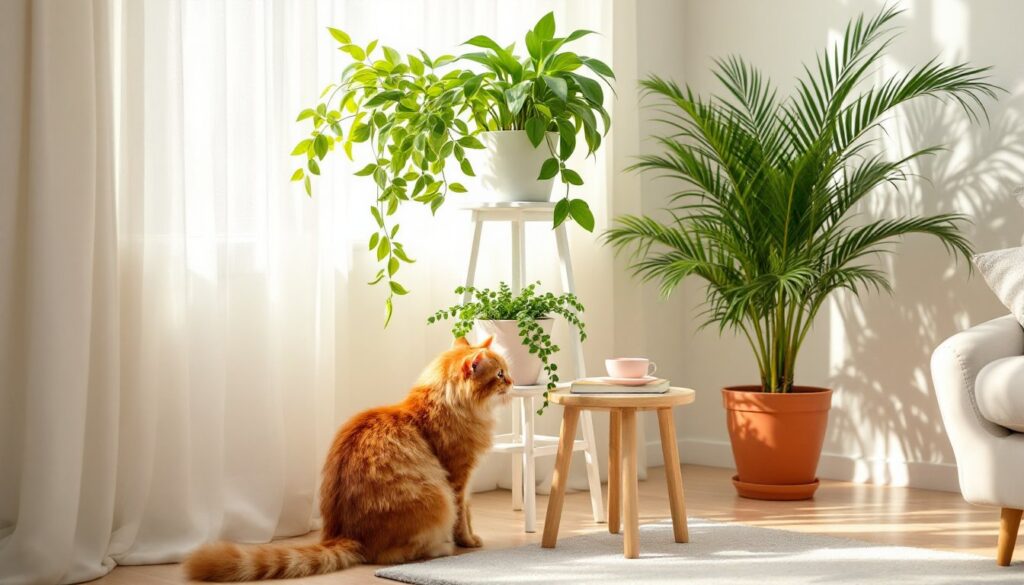
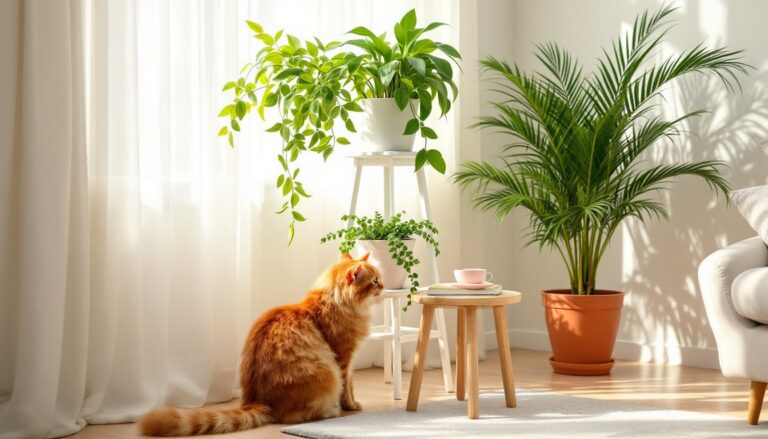
Selecting pet-friendly plants ensures safety for furry companions. Spider plants produce non-toxic foliage and can purify the air, making them ideal for homes with pets. Boston ferns offer lush greenery while being safe around cats and dogs. Parlor palms serve as attractive accents and do not harm pets, making them a popular choice. Moreover, calathea varieties bring vibrant colors without posing any risk. Maintaining these plants nearby allows for a lively environment while keeping pets safe from harmful species.
Tips For Maintaining House Plants Nearby
Maintaining house plants nearby requires attention to specific care aspects. Proper techniques ensure their health and longevity.
Watering Techniques
Watering techniques vary based on plant type and environment. Assess the moisture levels in the soil to determine when to water. Snake plants and ZZ plants prefer to dry out completely between waterings. Pothos vines and peace lilies thrive with slightly moist soil, yet over-watering leads to root rot. Use room-temperature water for optimal absorption. Employ a watering can with a narrow spout to direct water near the roots. Check for drainage to prevent standing water. Adapting a consistent schedule, such as weekly checks, keeps plants hydrated without saturating them.
Optimal Lighting Conditions
Optimal lighting conditions differ for each house plant. Snake plants prefer indirect sunlight, thriving in low-light areas. Bright light suits pothos vines, allowing them to grow more vigorously. Peace lilies flourish in partial shade but need some bright light for blooming. Placing plants near east or south-facing windows provides adequate exposure. Sheer curtains can filter harsh rays, protecting delicate leaves. Rotate plants periodically to ensure even growth and prevent leaning toward light sources. Monitoring signs of stress, such as wilting or yellowing leaves, helps adjust their placement effectively.
Common Mistakes To Avoid
House plants thrive with proper care, yet many make critical mistakes that hinder their growth. Understanding these common pitfalls aids in maintaining vibrant and healthy plants.
Overwatering
Overwatering poses a significant risk to house plants. Different plants have unique moisture needs; for example, snake plants and ZZ plants prefer drier conditions. Roots sit in soggy soil, leading to root rot and ultimately plant decline. An easy way to avoid this is by checking the soil moisture before watering. Sticking a finger into the soil up to the first knuckle reveals if it’s too wet. Adjusting watering frequencies, particularly during the growing season, ensures that plants receive adequate hydration without excess.
Neglecting Fertilization
Neglecting fertilization prevents house plants from thriving. Nutrient deficiencies develop over time, resulting in stunted growth and poor health. A balanced, diluted fertilizer promotes vibrant greenery. For example, monthly applications during the growing season benefit most house plants, including peace lilies and pothos. Using a slow-release fertilizer can simplify the process by providing nutrients gradually. Monitoring plant responses to fertilization helps to tailor care, ensuring lush and healthy growth.
Integrating house plants into living spaces transforms not only the aesthetic but also the overall atmosphere. With their ability to purify air and boost mood, these green companions contribute significantly to well-being. Choosing the right plants and caring for them properly ensures they thrive and enhance any environment.
By selecting resilient varieties and following care tips, anyone can enjoy the numerous benefits of house plants. They bring life and vibrancy to homes while creating a welcoming space for family and friends. Embracing greenery is more than a trend; it’s a step toward a healthier and happier living experience.