
Table of Contents
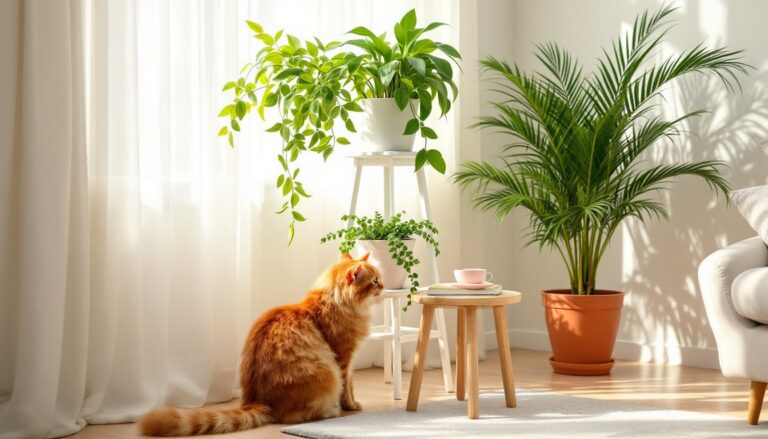
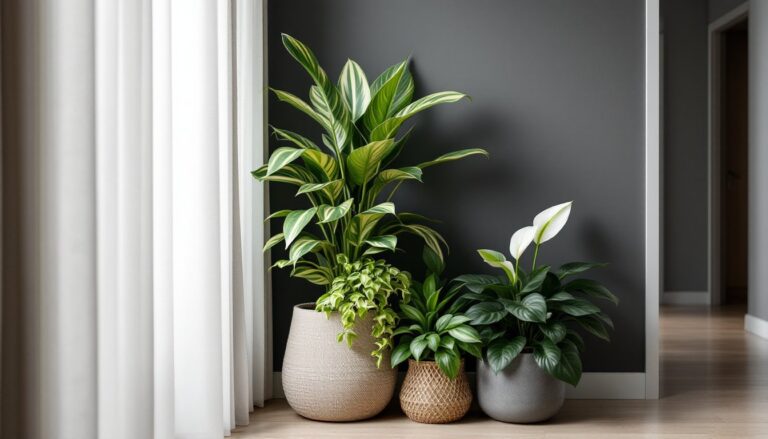
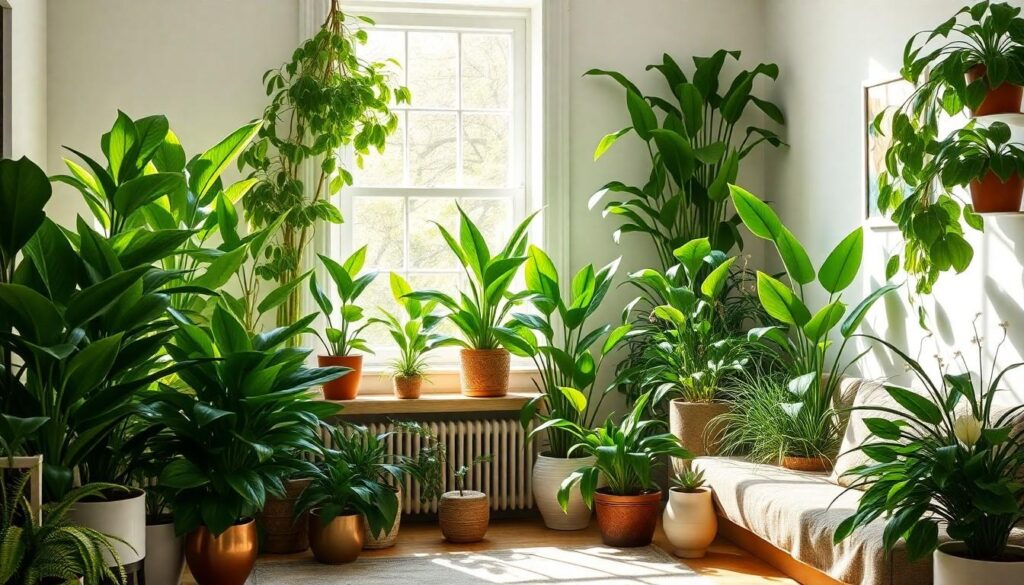
ToggleIndoor house plants aren’t just pretty decorations; they’re like little green superheroes ready to rescue any dull room from the clutches of boredom. Imagine a world where your living space breathes life, and your air quality gets a major upgrade—all thanks to a few leafy companions. Forget about those sad, lifeless corners; it’s time to transform them into vibrant oases.
Overview of Common Indoor House Plants
Indoor house plants serve as excellent options for enhancing home environments. Varieties such as the Spider Plant, Peace Lily, and Snake Plant rank among the most popular choices. These plants not only improve aesthetics but also contribute to better air quality.
Spider Plants feature arching leaves and produce small white flowers. This plant thrives in indirect sunlight and tolerates neglect, making it suitable for busy lifestyles. Its ability to remove toxins like formaldehyde from the air is well-documented.
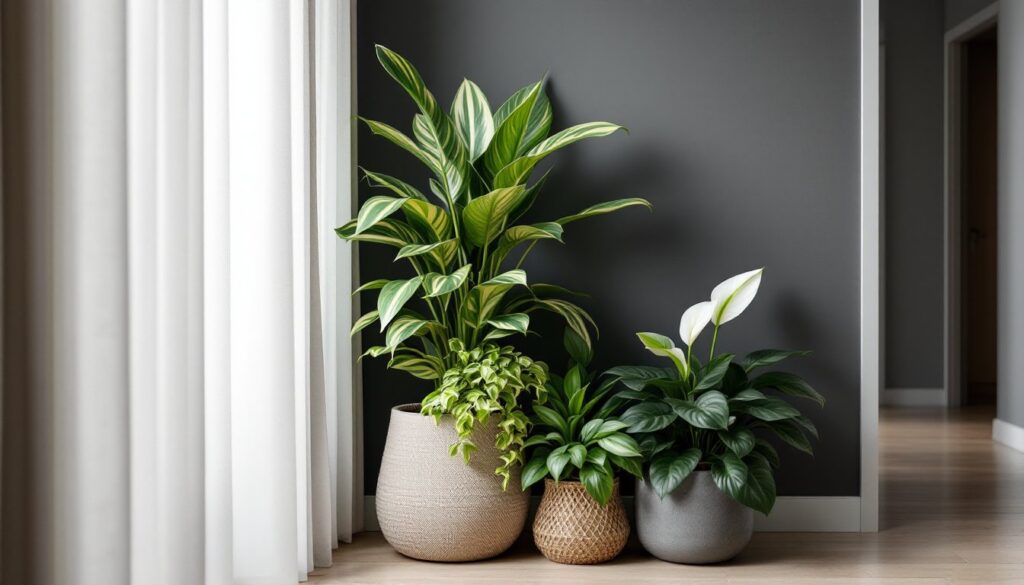
Peace Lilies stand out with their elegant white blooms and glossy green leaves. They can flourish in low-light conditions, which makes them versatile for different spaces. Known for their air-purifying qualities, Peace Lilies also indicate the need for watering by drooping slightly.
Snake Plants, characterized by their sword-like leaves, adapt to various light settings. This plant requires minimal care and is drought-tolerant, appealing to novice plant owners. Studies show that Snake Plants effectively filter out many harmful chemicals from the air.
Additional common options include Pothos and ZZ Plants. Pothos are known for their cascading vines that can thrive in low light. ZZ Plants, with their thick, waxy leaves, can survive in low moisture, adding to their resilience.
Selecting the right plants enhances the overall atmosphere in any home. Each species offers unique characteristics and benefits that cater to different needs and environments. Integrating a variety of these house plants can create a vibrant and healthy living space.
Benefits of Indoor House Plants
Indoor house plants provide numerous advantages beyond mere decoration. They significantly enhance air quality and add vibrancy to living spaces.
Air Purification
Air purification stands as one of the primary benefits of indoor house plants. Many plants, including Spider Plants and Snake Plants, actively remove toxins like formaldehyde and benzene from the air. Effective air filtration improves overall well-being and creates a healthier environment. Studies show that having even a few house plants can reduce indoor air pollutants by as much as 60%. Peace Lilies are particularly effective, signaling moisture needs while providing air-cleansing benefits. As a result, incorporating a variety of plants can lead to cleaner indoor air, making spaces more enjoyable and comfortable.
Aesthetic Appeal
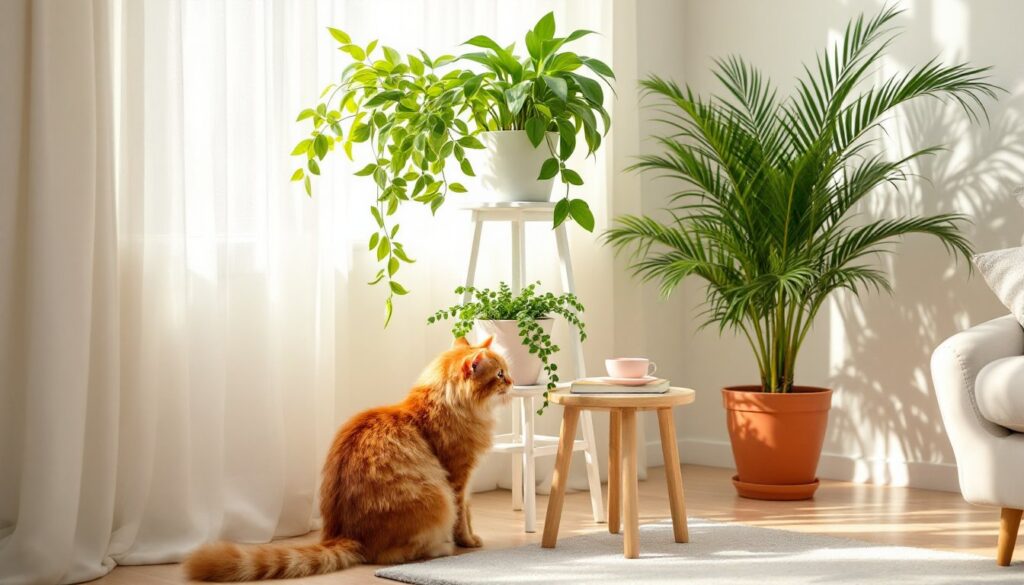
Aesthetic appeal represents another essential benefit of having indoor house plants. These living decorations brightening up any room can transform dull spaces into vibrant environments. Plants such as Pothos and ZZ Plants showcase striking foliage that complements various interior styles. Adding greenery enhances decor while creating a welcoming atmosphere. Furthermore, arrangements of different plant sizes and shapes create visual interest. Displaying plants on shelves or tables offers dynamic decor that evolves with time as plants grow. Ultimately, integrating indoor plants enriches homes with natural beauty, fostering a more inviting and relaxing space.
Popular Types of Indoor Plants
Indoor plants come in various types that cater to different preferences and lifestyles. Some of the most sought-after options include low-maintenance plants, flowering species, and lush foliage varieties.
Low-Maintenance Options
Spider Plants and ZZ Plants represent excellent choices for those seeking easy-care greenery. Spider Plants thrive in indirect light and need infrequent watering, making them ideal for busy individuals. ZZ Plants, known for their resilience, adapt to low-light conditions and require minimal attention. These plants not only survive neglect but also contribute to air purification. Both options enhance home aesthetics without demanding constant care.
Flowering Indoor Plants
Flowering indoor plants, such as Peace Lilies and African Violets, brighten living spaces with their vibrant blooms. Peace Lilies flourish in low-light conditions and produce white flowers that indicate when watering is needed. Interestingly, they also remove harmful toxins from the air, making them both beautiful and functional. African Violets, on the other hand, thrive in moderate light and offer a variety of colorful flowers throughout the year. These flowering plants create cheerful atmospheres in any room.
Foliage Plants
Foliage plants like Snake Plants and Pothos add greenery and texture to indoor environments. Snake Plants, known for their striking appearance, adapt easily to various light settings and require little water. They effectively filter indoor air pollutants, promoting better air quality. Pothos, with its trailing vines and heart-shaped leaves, thrives in different lighting conditions and is forgiving of neglect. Both plants enhance home aesthetics while improving the overall environment.
Care Tips for Indoor Plants
Caring for indoor plants involves understanding their specific needs. Proper attention leads to thriving greenery that enhances indoor spaces.
Watering Guidelines
Watering varies by plant species. Spider Plants prefer moderate moisture, while Snake Plants thrive in drier soil. It’s essential to check soil moisture before watering; wilting can signal that a plant needs hydration, yet overwatering can lead to root rot. A good rule is to water when the top inch of soil feels dry. Adjust watering frequency based on factors like humidity and seasonal changes for optimal health.
Light Requirements
Light exposure plays a crucial role in plant growth. Peace Lilies flourish in low-light areas, while Pothos and Spider Plants appreciate bright, indirect light. Adjusting placement according to light intensity ensures plants receive adequate energy for photosynthesis. Monitor plant reactions closely; yellowing leaves might indicate too much direct sunlight, while leggy growth often signifies a light deficiency.
Fertilization and Soil Needs
Fertilizing indoor plants promotes robust growth. Using a balanced, all-purpose fertilizer during the growing season supports healthy foliage and blooms. Most indoor plants benefit from replanting every 1 to 2 years in fresh potting soil. Well-draining soil ensures proper root health and prevents water accumulation. Choose a soil mix suited to the specific needs of each plant type for best results.
Common Pests and Problems
Indoor house plants can attract a variety of pests, leading to health issues for the plants and potentially disrupting their growth. Identifying these pests early helps in managing infestations effectively.
Identifying Pests
Common pests such as spider mites, aphids, and mealybugs can damage house plants. Spider mites create webbing on leaves, while aphids cluster on stems and new growth. Mealybugs appear as white, cottony masses, often hiding in leaf axils. Regular inspections of leaves for discolored patches or sticky residues may reveal pest presence. Additionally, signs of wilting or stunted growth often indicate an underlying pest problem.
Treatment Options
Treatment for pests includes a variety of methods. Use insecticidal soap or neem oil as organic options to eliminate pests on contact. Regularly wiping leaves with a damp cloth can also remove some pests and dust. Isolate affected plants immediately to prevent the spread of infestations. Regular pruning of infested areas helps maintain plant health and encourages new growth. Applying probiotics or beneficial insects, like ladybugs, provides a natural solution to pest control.
Incorporating indoor house plants can truly transform living spaces into vibrant and inviting environments. Their ability to purify air while enhancing aesthetics makes them an essential addition to any home. By choosing the right plants and understanding their care requirements, anyone can enjoy the numerous benefits they offer. Whether it’s the low-maintenance Spider Plant or the stunning blooms of a Peace Lily, each plant brings unique qualities that enrich indoor life. With a little attention and love, these green companions can thrive and contribute to a healthier and more beautiful home.