
Table of Contents
ToggleImagine walking through your home and realizing that the leafy green things aren’t just decoration; they’re your new roommates. Identifying common house plants can transform a mere living space into a vibrant jungle of personality. Whether it’s that spiky cactus that seems to have a permanent grumpy face or the lush pothos that’s practically begging for a high-five, knowing what you’ve got can elevate your plant-parent game.
Overview of Common House Plants
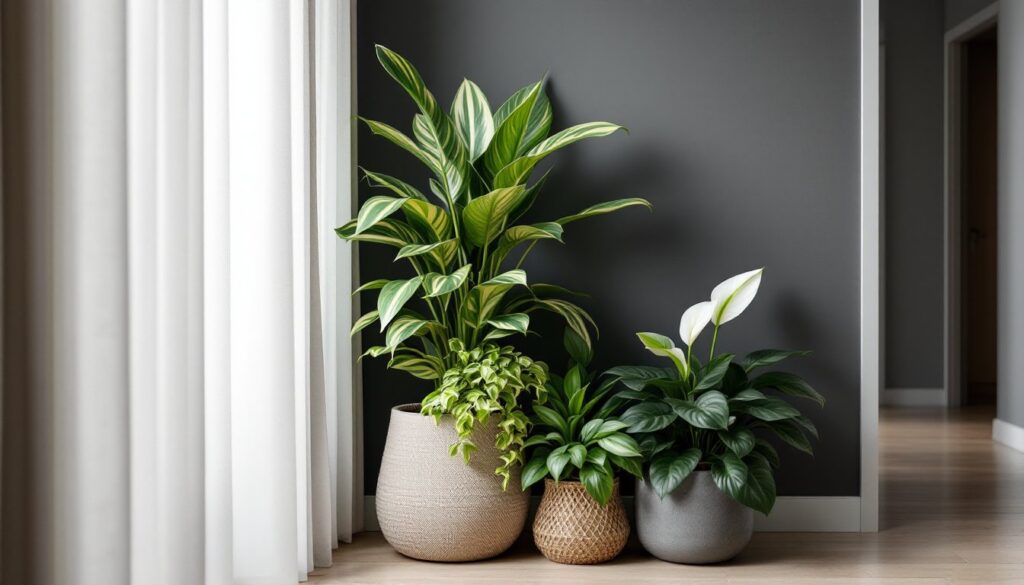
Common house plants provide both aesthetic appeal and air quality benefits. Snake plants, known for their striking vertical foliage, thrive on neglect and adapt well to various lighting conditions. Peace lilies feature beautiful white blooms and excellent air-purifying abilities, making them popular for indoor spaces.
Fiddle leaf figs boast large, glossy leaves that can serve as statement pieces in any room. Besides their visual impact, they require bright, indirect light and consistent watering to flourish. Spider plants, with their arching green leaves and offshoots, are easy to propagate and care for, making them ideal for beginners.
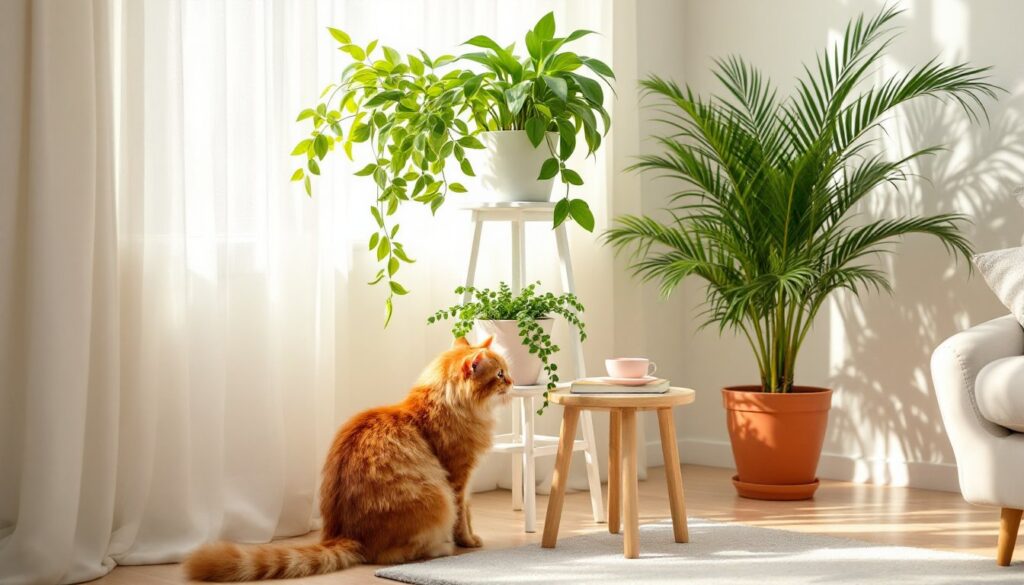
Pothos plants develop long trailing vines and adapt easily to different environments. They tolerate low light, which allows for versatility in placement. ZZ plants offer a similar resilience, thriving in low-light conditions and requiring minimal water. Their glossy leaves add a sophisticated touch to any decor.
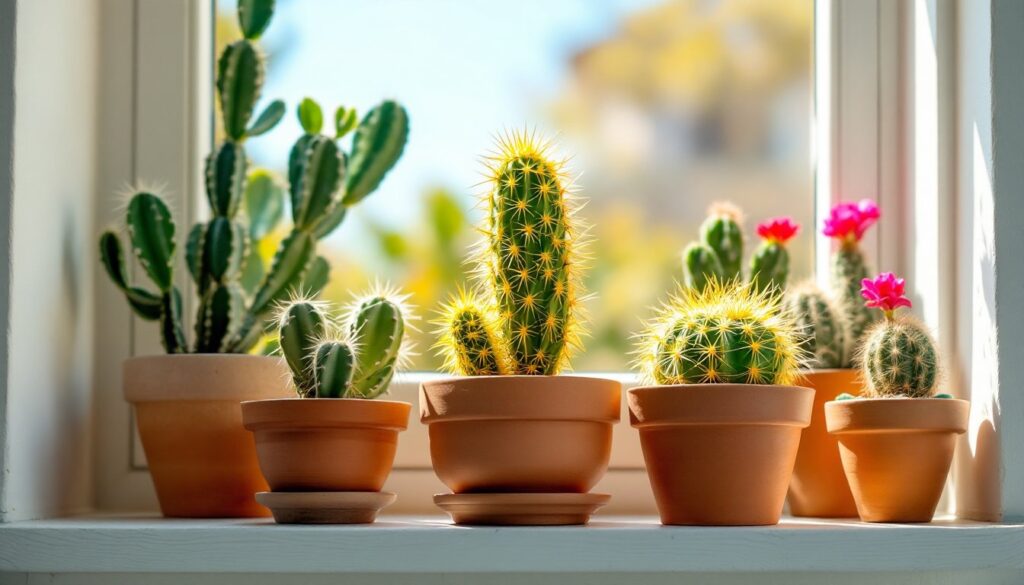
Succulents come in various shapes and colors, providing a unique touch to a collection. Their ability to store water makes them low-maintenance choices, perfect for those with busy lifestyles. Cacti, with their distinct spines and often vibrant blooms, require bright light and infrequent watering, emphasizing their arid origins.
By identifying these common house plants, individuals can create diverse living environments. Understanding their unique care requirements enables better health and longevity for each plant, resulting in a vibrant indoor ecosystem. Successful plant care contributes positively to personal spaces by enhancing both beauty and air quality.
Importance of Identifying House Plants
Identifying house plants plays a significant role in enhancing home aesthetics and promoting health. Knowledge of plant varieties boosts emotional well-being and nurtures a thriving indoor environment.
Benefits of House Plants
House plants contribute to improved air quality. They filter toxins, producing oxygen and creating a refreshing atmosphere. Known for their stress-relieving qualities, plants can elevate moods and enhance productivity. Bright, lively plants like pothos and snake plants increase visual interest and complement home decor. Homeowners appreciate the unique texture and color variations that different plants introduce into living spaces.
Environmental Impact
House plants significantly impact the environment. They absorb carbon dioxide, contributing to cleaner air in enclosed spaces. Studies show that indoor plants help regulate humidity levels, which can reduce respiratory problems. Additionally, they act as natural humidifiers, promoting a healthier living atmosphere. By cultivating diverse plant species indoors, individuals support biodiversity and foster a connection with nature. Establishing indoor ecosystems helps to balance the environmental effects of urban living.
Key Characteristics of Common House Plants
Identifying common house plants involves observing distinct characteristics. These traits play a crucial role in understanding plant care and aesthetics.
Leaf Shape and Texture
Leaf shape and texture significantly contribute to a plant’s identity. Broad leaves, like those of fiddle leaf figs, create a dramatic visual impact. Pointed leaves, such as those on snake plants, exhibit versatility and sturdiness. Varieties with serrated edges often belong to unique species, enhancing overall appeal. Smooth, glossy leaves, found on peace lilies, indicate tropical origins and ensure vibrant colors. In contrast, spiky textures on cacti offer a distinctive look and highlight adaptability to arid conditions. Observing these variations helps in categorizing plants and determining suitable care practices.
Flowering Patterns
Flowering patterns serve as vital identifiers for house plants. Regular blooms, common in peace lilies, signal healthy growth. Rare flowering, found in certain succulents, showcases uniqueness and requires specialized conditions. Specific timing of blooms, such as during winter for some orchids, also enhances plant appreciation. Additionally, vibrant colors, like those of African violets, attract attention and elevate decor. The presence or absence of flowers can indicate a plant’s health and care needs. Recognizing these flowering characteristics aids in maintaining plant vitality and enriching indoor environments.
Popular Types of Common House Plants
Many house plants stand out for their unique characteristics and care requirements. Here’s a closer look at popular types.
Succulents
Succulents feature thick, fleshy leaves that store water, making them ideal for low-maintenance plant parents. Varieties include jade plants, aloe vera, and echeveria, each known for their striking shapes and colors. Placing succulents in bright, indirect sunlight promotes healthy growth. These plants thrive in well-draining soil to prevent root rot. Overwatering succulents can lead to health issues, so it’s best to allow the soil to dry out between waterings. Many people appreciate their resilience, as they adapt well to different environments.
Ferns
Ferns display lush greenery and delicate fronds, providing a vibrant touch to any room. Common types such as Boston ferns and maidenhair ferns each offer unique textures and growth habits. They prefer high humidity and indirect light, flourishing in bathrooms or kitchens where moisture levels are naturally elevated. Consistent watering keeps ferns hydrated, but not soggy. Regular misting further enhances their growth conditions. Ferns contribute to a natural, inviting atmosphere in any space, offering a soft contrast to other house plants.
Foliage Plants
Foliage plants emphasize lush greenery and unique leaf shapes, enhancing indoor landscapes. Options like pothos, snake plants, and rubber plants are popular for their diverse appearances and adaptability. These plants thrive in various lighting conditions, from low light to bright indirect light. Regularly watering them encourages healthy growth but allows for dry periods between watering. Leaf patterns and colors add visual interest and can brighten up any room. Foliage plants significantly improve air quality, contributing to a healthier home environment.
Techniques for Identifying House Plants
Identifying house plants involves various techniques that can enhance awareness of plant characteristics.
Visual Identification
Observing leaf shape and texture significantly aids in plant identification. Broad leaves often belong to tropical species, while pointed leaves indicate adaptability to different environments. Flowering patterns also play a crucial role, with specific blooms symbolizing health and vigor. Color variations in leaves can indicate the plant’s specific needs and conditions. For instance, a snake plant with variegated edges signals specific care requirements compared to its solid green counterpart. Noticing these details creates a clear understanding of the plant’s identity and maintenance needs.
Utilizing Plant Apps
Leverage technology by using plant identification apps for quick and accurate identification. Numerous apps allow users to take a photo of a plant, which an inbuilt database analyzes. Many popular options include PictureThis and PlantSnap, known for their extensive plant databases. Some apps even provide care tips, helping users understand how to maintain their plants effectively. Users can also join communities within these apps to exchange advice and experiences. An accessible and innovative option, these applications make identifying house plants straightforward and engaging for enthusiasts and beginners alike.
Identifying common house plants is a rewarding journey that enriches both living spaces and personal well-being. By understanding the unique characteristics and care requirements of various plants, individuals can create vibrant indoor environments that reflect their style and promote a healthier atmosphere.
The insights gained from recognizing leaf shapes, textures, and flowering patterns empower plant parents to nurture their green companions effectively. Utilizing plant identification apps further simplifies the process, making it accessible for everyone. Embracing the beauty and benefits of house plants not only enhances home decor but also fosters a deeper connection with nature, contributing to a balanced and refreshing living experience.