
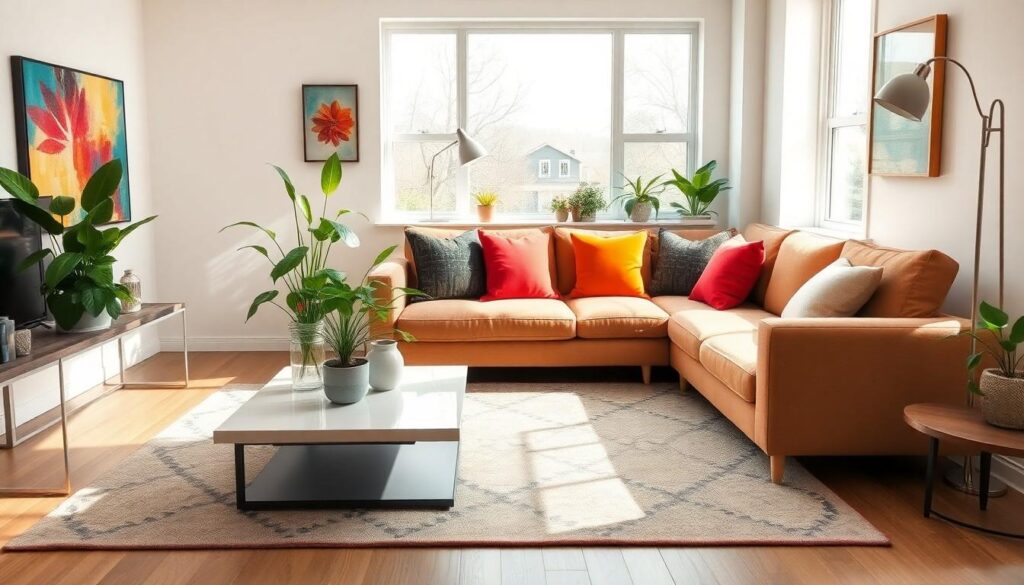

Step into the world of interiors, where creativity meets comfort and every corner tells a story. It’s not just about placing a couch in a living room; it’s about creating a sanctuary that reflects one’s personality. From minimalist chic to bohemian bliss, the choices are endless, and so are the possibilities.
Imagine transforming a dull space into a vibrant oasis that even your plants would envy. With the right mix of colors, textures, and a dash of whimsy, anyone can turn their home into a masterpiece. So grab that paintbrush and channel your inner designer—because in the world of interiors, there’s no such thing as too much flair.
The World of Interiors: An Overview
The world of interiors encompasses diverse styles, trends, and philosophies that shape how individuals experience their living spaces. Interior design serves as an intersection of functionality and aesthetic appeal, focusing on enhancing environments. Individuals utilize various elements like colors, furnishings, and layout to create atmospheres that are both inviting and reflective of personal identity.
Design principles, such as balance, harmony, and proportion, play crucial roles in successful interiors. Balance ensures visual stability, while harmony creates a unified look. Proportion helps in maintaining optimal scales between different elements, making spaces feel cohesive.
Textures add depth and interest, drawing the eye and enhancing tactile experiences. Designers often combine soft fabrics, sleek metals, and natural woods to generate dynamic contrasts. Employing these elements brings warmth and character to the home.
Color psychology influences mood and perception. For instance, warm tones evoke comfort and energy, whereas cool tones promote tranquility. By considering color choices, individuals can evoke desired feelings and emotions in each room.
Trends in interior design frequently change, reflecting evolving tastes and cultural shifts. Popular styles, such as minimalism, industrial, and bohemian, showcase a range of expressions. Homeowners often blend different styles to create unique combinations that resonate personally and aesthetically.
Ultimately, the world of interiors invites everyone to explore their creativity and vision. By embracing innovative design solutions, individuals transform their spaces into stylish, functional sanctuaries that tell their stories.
Key Elements of Interior Design

Interior design encompasses several vital elements that contribute to a cohesive look and feel within a space. Understanding these key components guides effective design choices.
Color Schemes
Color schemes significantly influence the atmosphere of a room. Neutral colors like beige or gray create calmness, while bold colors such as red or yellow evoke energy. Harmonizing colors fosters balance, whether through monochromatic palettes or complementary shades. Selecting colors based on personal style transforms everyday spaces into personal retreats. Trends in color also evolve, with contemporary shades often reflecting societal moods and preferences.
Furniture Selection
Furniture selection is essential to both functionality and aesthetics. Choosing pieces that reflect the desired style enhances the overall design. Consider factors such as scale and proportion; oversized furniture can overwhelm a space while smaller items may lack impact. Quality materials ensure durability and comfort. Combining various furniture styles, such as modern with vintage, can create unique focal points. Always prioritize versatility, allowing furniture to adapt as design needs change.
Lighting Techniques
Lighting techniques shape how spaces are perceived and utilized. Layered lighting combines ambient, task, and accent lights to create depth. Effective placement of fixtures guides attention to key design elements, such as artwork or architectural features. Natural light improves mood and energy levels; thus, maximizing windows is valuable. Incorporating smart lighting systems enhances convenience and flexibility, allowing instant adjustments to suit different activities.
Trends in The World of Interiors
Current trends in interior design reflect a blend of innovation and sustainability, prioritizing aesthetics and environmental impact. Designers focus on creating spaces that embody personal values while remaining stylish.
Sustainable Design
Sustainable design emphasizes eco-friendly materials and energy-efficient practices. Homeowners increasingly prefer furniture made from reclaimed wood, organic fabrics, or recycled materials. Energy-efficient lighting and appliances reduce environmental footprints. Biophilic design incorporates natural elements, enhancing well-being in spaces. Indoor plants are essential for improving air quality and adding vibrant greenery. These elements not only create beautiful interiors but contribute to a healthier planet.
Minimalism vs. Maximalism
Minimalism promotes simplicity, focusing on clean lines and clutter-free spaces. This trend often uses neutral color palettes to cultivate tranquility. Maximalism, in contrast, embraces bold colors and intricate patterns, encouraging individual expression. Layering textures and mixing patterns create visually stimulating environments. Many homeowners blend elements of both approaches, achieving a balanced aesthetic that reflects their personalities. By choosing decor and furnishings that resonate personally, individuals create unique living spaces that tell their stories.
Cultural Influences in Interior Design
Cultural influences shape the art of interior design, reflecting diverse aesthetics and philosophies. Understanding these influences helps create spaces that resonate with individual and collective identities.
Global Styles
Global styles offer a rich tapestry of design inspiration. For instance, Scandinavian design emphasizes minimalism, functionality, and natural light. Japanese aesthetics focus on simplicity and a connection with nature. Mediterranean interiors often showcase vibrant colors and textured materials. Each of these styles incorporates cultural elements that reflect their origins. By blending aspects of various global styles, homeowners create unique environments that tell their stories.
Regional Variations
Regional variations showcase how geography influences design. Coastal homes in New England often feature light colors and nautical themes, while Southwestern designs incorporate earthy tones and indigenous motifs. Urban environments frequently embrace industrial elements, utilizing metal and reclaimed wood. Each region offers distinctive styles that respond to climate and cultural heritage. Recognizing these variations allows for customized interiors that fit seamlessly into their surroundings.
The Role of Technology in Interior Design
Technology significantly influences interior design, transforming how spaces are envisioned and created. Innovations enhance functionality and aesthetic appeal, providing homeowners with exciting options to personalize their environments.
Smart Home Innovations
Smart home innovations streamline everyday living through the integration of technology. Devices like smart thermostats and automated lighting systems offer convenience while improving energy efficiency. Smart security systems ensure safety, allowing homeowners to monitor their spaces remotely. Additionally, voice-activated assistants enhance user experience by controlling various home elements. With these advancements, interior spaces blend seamlessly with technology, creating more comfortable and efficient environments.
Virtual Reality in Design
Virtual reality (VR) revolutionizes the design process by allowing clients to visualize spaces before implementation. Designers can create immersive 3D models of interiors, enabling clients to explore layouts and make informed decisions. This technology eliminates uncertainty, helping clients to experience color palettes, textures, and furniture arrangements. Moreover, VR fosters collaboration between homeowners and designers, ensuring that visions align. By utilizing VR, the design process becomes dynamic and engaging, setting a new standard in the industry.
The world of interiors offers endless possibilities for self-expression and creativity. By understanding key design principles and embracing personal style, individuals can transform their homes into unique reflections of themselves.
As trends evolve and new technologies emerge, the integration of sustainability and cultural influences enriches the design landscape. Homeowners are encouraged to explore diverse styles and innovative solutions, creating spaces that are not only aesthetically pleasing but also functional and environmentally conscious.
Ultimately, the journey of interior design is about crafting environments that nurture well-being and inspire joy, making every space a true sanctuary.


