
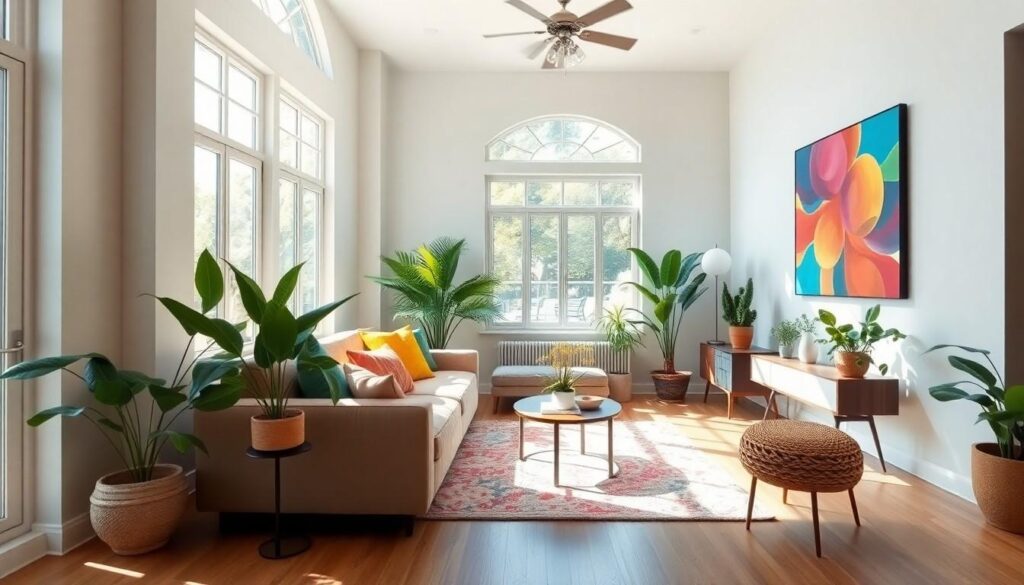

Transforming a house into a home is like giving your space a personality makeover. Residential interiors aren’t just about slapping on some paint and calling it a day; they’re about creating an atmosphere that reflects who you are. Imagine stepping into a room that feels like a warm hug or a vibrant burst of energy. That’s the magic of thoughtful interior design.
Overview of Residential Interiors
Creating inviting residential interiors involves harmonizing aesthetics with personal expression. Effective design encapsulates the emotions and lifestyles of the inhabitants while ensuring comfort.
Key Elements of Design
Color schemes, textures, and furniture styles define the character of a space. Patterns bring visual interest and can transform the ambiance, while furniture must complement both functionality and aesthetic appeal. Lighting plays a crucial role in highlighting features and enhancing mood. Accessories such as artwork, plants, and decorative items provide personality, adding final touches that make a space truly unique.
Importance of Functionality
Functionality significantly enhances the livability of residential spaces. Spaces must serve specific purposes, accommodating the daily activities of residents. Smart layouts facilitate movement and accessibility, ensuring ease of use. Storage solutions help maintain organization, preventing clutter from detracting from aesthetics. By prioritizing functionality, designers create environments that support daily routines while also reflecting personal style.
Popular Design Styles

Exploring various design styles enhances the experience of residential interiors. Each style offers unique characteristics that can transform a space.
Modern Residential Interiors
Modern residential interiors focus on simplicity and functionality. These spaces typically feature clean lines and minimalistic furniture, creating an uncluttered atmosphere. Neutral color palettes dominate, while bold accents add personality. Large windows invite natural light, enhancing openness and airiness. In modern design, technology integrates seamlessly with décor, offering both style and convenience. Textures like leather and metal often complement the aesthetic, reinforcing a contemporary feel.
Traditional Residential Interiors
Traditional residential interiors embrace classic elegance and timeless design. Rich color palettes and intricate patterns characterize these spaces, often featuring ornate details. Furniture pieces typically showcase craftsmanship with wood tones, upholstery, and fine fabrics. Natural materials like stone and hardwood floorings enhance warmth and durability. Spaces often include accessories from diverse eras, creating a curated look that evokes nostalgia. Symmetry plays a vital role, balancing elements for a cohesive appearance.
Eclectic Residential Interiors
Eclectic residential interiors celebrate individual expression through diverse styles. This design approach mixes various colors, patterns, and textures, resulting in a dynamic visual experience. Furniture often combines vintage finds with modern pieces, creating unique juxtapositions. Art plays a crucial role, with an array of styles displayed prominently throughout the space. Plants and various decor items add vibrancy and life, ensuring a personal touch. The result reflects the homeowner’s personality, illustrating a blend of experiences and inspirations.
Color Schemes and Materials
Color schemes and material choices significantly shape residential interiors. Thoughtful selections create inviting atmospheres that express personal styles.
Trends in Color Palettes
Neutral tones dominate recent trends in color palettes, providing a versatile backdrop for various styles. Earthy hues, like terracotta and sage green, bring warmth and connection to nature. Bold colors also find their place, with deep blues and rich burgundies making striking accent choices. Soft pastels add a calm, soothing effect, appealing to those seeking tranquility. Layering different shades within a single color family enhances depth and visual interest. An emphasis on balances between warmth and coolness enables homeowners to define their spaces uniquely.
Sustainable Material Choices
Sustainability has gained importance in material selection for residential interiors. Recycled materials, like reclaimed wood, offer character while reducing environmental impact. Eco-friendly fabrics, such as organic cotton and linen, provide comfort with minimal harm to the planet. Upcycled decor reflects creativity and keeps waste from landfills. Natural stone, bamboo, and cork are popular choices known for their durability and aesthetic appeal. A focus on locally-sourced materials supports regional economies and minimizes transportation emissions. Prioritizing sustainability not only benefits the environment but also fosters a sense of responsibility in design.
Furniture and Decor
Furniture and decor play a vital role in shaping the overall atmosphere of residential interiors. Thoughtfully chosen pieces contribute significantly to both aesthetics and functionality.
Selecting the Right Furniture
Choosing the right furniture involves understanding scale and proportion. Consider the room size when selecting items. Larger spaces benefit from oversized furniture, while smaller areas suit more compact options. Comfort remains essential, with ergonomic seating encouraging relaxation. Versatile furniture, such as sofas with removable covers, adapts to various styles and needs. Prioritize multifunctional pieces, like ottomans offering storage, to optimize space efficiency. Timeless styles, such as mid-century modern, often complement diverse decor themes and enhance expression.
Incorporating Art and Accessories
Art and accessories personalize spaces, reflecting individual tastes. Wall art creates focal points and sparks conversation. Select pieces that resonate emotionally or provoke thought. Accessories like cushions and throws add texture and warmth, inviting comfort. Plan an arrangement that balances colors and shapes, drawing the eye throughout the room. Incorporating plants enhances natural beauty and purifies indoor air. Use cohesive themes or color palettes for harmony, allowing these elements to unify the overall design. This approach transforms a house into a unique and inviting home.
Lighting in Residential Interiors
Lighting significantly influences the overall ambiance and functionality of residential interiors. Thoughtful lighting choices enhance the aesthetic appeal and mood of a space.
Types of Lighting Fixtures
Choosing the right lighting fixtures adds character and depth to interiors. Recessed lights offer a minimalist look, perfect for modern environments. Chandeliers bring elegance and drama, making them ideal for dining areas or foyers. Table lamps provide versatility, allowing homeowners to adjust illumination levels. Wall sconces enhance specific areas, creating focal points with style. Pendant lights can define spaces, particularly over kitchen islands and dining tables. All these fixtures contribute to layered lighting, which helps achieve a well-rounded atmosphere.
Importance of Natural Light
Natural light plays a crucial role in residential design. It promotes well-being, making spaces feel open and inviting. Sunlight can highlight architectural features, adding warmth to the overall design. Large windows and skylights maximize exposure, while strategically placed mirrors reflect light, enhancing brightness. Many studies show that natural light improves mood and productivity, making it essential for home offices and study areas. Utilizing light-color curtains or shades can further optimize light flow. All these elements work together to create a harmonious living environment.
Creating a home that resonates with personal style is an art form. Thoughtful design choices enhance not only the visual appeal but also the emotional connection to the space. By blending color, texture, and lighting, homeowners can craft environments that are both functional and inviting.
The integration of sustainable materials and multifunctional furniture further elevates the experience. As trends evolve, embracing individuality through eclectic styles and personalized decor remains essential. Ultimately, the journey of designing residential interiors is about transforming a house into a sanctuary that reflects who they are.


